
National parks protect the planet’s most dramatic geological landscapes. Yet for adventure travelers, these protected wilderness areas are far more than scenic drive-through overlooks.
They serve as playgrounds for multi-day alpine treks, technical glacial traverses, and deep fjord kayaking expeditions.
Here are five world-class national parks that offer unforgettable wilderness adventures, along with mandatory permit requirements and seasonal advice.
5 Premier National Parks for Outdoor Adventure
1. Torres del Paine National Park, Chile
Located in Chilean Patagonia, Torres del Paine showcases jagged granite spires rising above turquoise glacial lakes. Ferocious Patagonian winds sweep across exposed valleys, testing your resilience daily.
The iconic W Trek takes four to five days, while the full O Circuit circles the entire Paine massif over eight days.
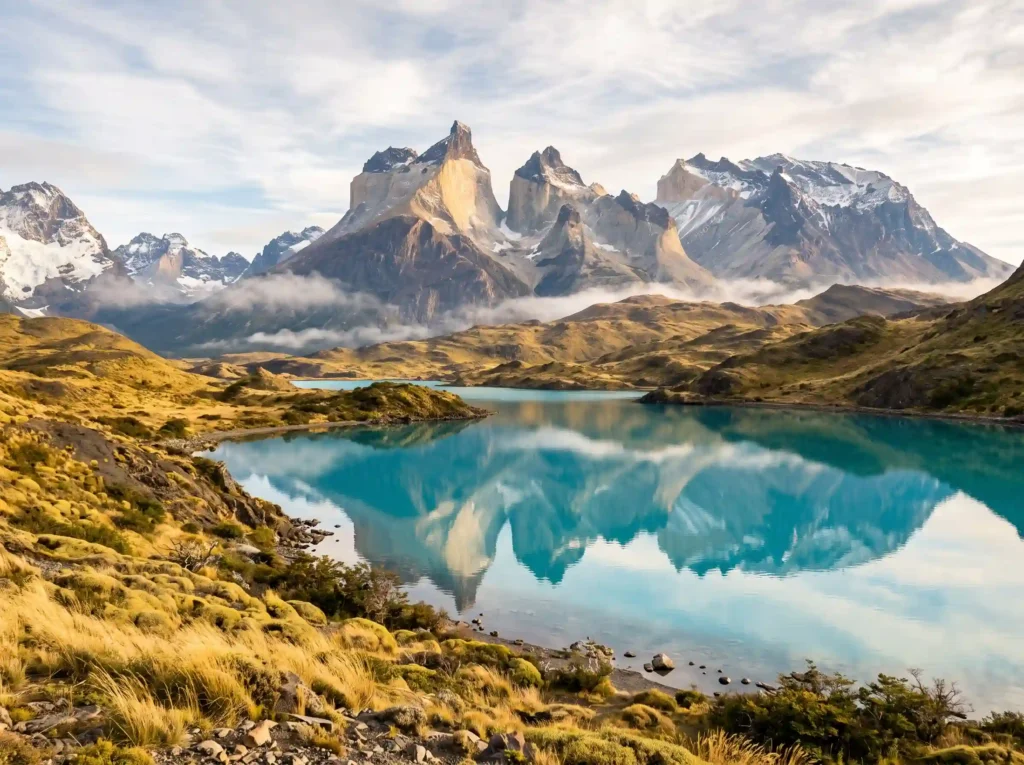
Reservations are strictly enforced. Hikers must secure designated campsites or mountain refugios months in advance through Torres del Paine concessionaires before arriving.
2. Banff National Park, Canadian Rockies
Banff anchors the Canadian Rocky Mountains with towering limestone peaks and electric-blue glacial waters like Lake Louise and Moraine Lake.
Beyond the crowded parking lots lies wild backcountry. High-elevation trails like the Plain of Six Glaciers and Sentinel Pass reward hikers with dramatic scree scrambles.
Personal vehicles are restricted at Moraine Lake. Travelers must reserve Parks Canada public shuttles well in advance to access premier alpine trailheads.
3. Yosemite National Park, California
Yosemite Valley represents the historic epicenter of big-wall rock climbing. Giant granite monoliths like El Capitan and Half Dome dominate the skyline.
Hiking to the summit of Half Dome requires scaling steep steel cables bolted into slick granite. It is an exhilarating, physically demanding ascent.
The National Park Service operates a preseason permit lottery on Recreation.gov to control daily congestion on the Half Dome cable route.
4. Vatnajökull National Park, Iceland
Vatnajökull covers eight percent of Iceland’s total landmass. This colossal ice cap blankets active subglacial volcanoes, forming glowing sapphire ice caves each winter.
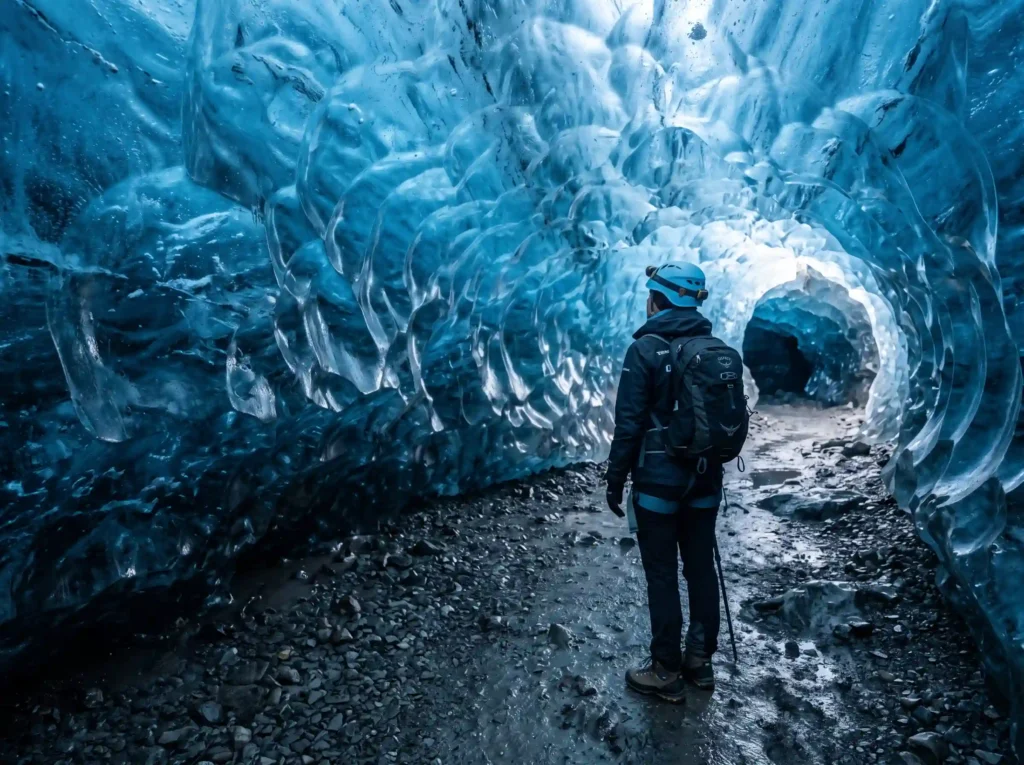
Glacier trekking here requires crampons, ice axes, and certified mountain guides. Dynamic glacial crevasses and shifting ice ceilings make solo exploration unsafe.
Visit between November and March for natural ice cave exploration when freezing temperatures stabilize subterranean ice tunnels.
5. Fiordland National Park, New Zealand
Occupying the southwest corner of New Zealand’s South Island, Fiordland is a primeval realm of sheer sea cliffs and cascading waterfalls.
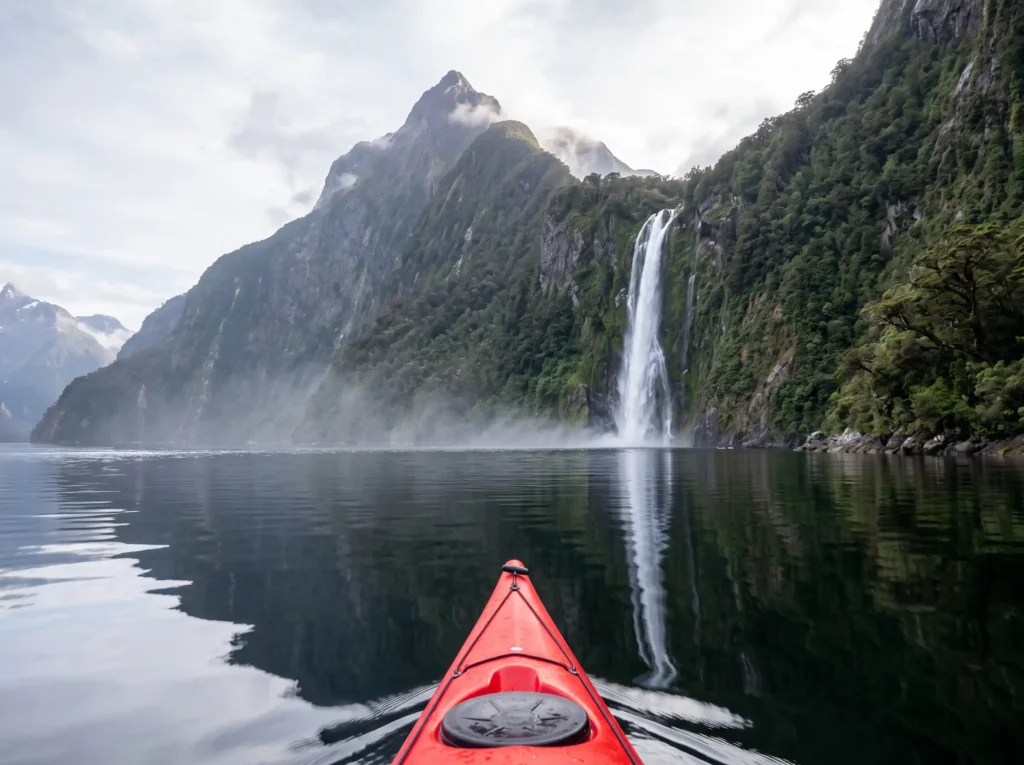
Kayaking Milford Sound places you beneath sea cliffs that drop thousands of feet into black fiord waters. Pods of dusky dolphins frequently swim alongside paddlers.
The legendary Milford Track requires walking fifty-three kilometers through rainforest and alpine passes. The Department of Conservation books hut passes out within minutes each season.
Permit Protocols and Booking Windows
Global national park popularity means spontaneous wilderness trips are increasingly difficult. Preparation dictates success.
- Torres del Paine: Book campsite reservations six to nine months ahead through private concessionaires Las Torres and Vertice.
- Yosemite: Enter the Half Dome cable lottery in March, or apply for daily forty-eight-hour rolling permits.
- Fiordland: Monitor New Zealand DOC opening dates in June to secure Great Walk hut spaces for the southern summer.
Frequently Asked Questions
When is the best season to hike in Torres del Paine?
The Patagonian hiking season runs from October through April. Peak summer months in January and February offer long daylight hours but face fierce gusts.
Are guided tours mandatory for exploring Vatnajökull ice caves?
Yes. Glaciers shift constantly, opening hidden crevasses. Certified guides carry safety gear and inspect structural ice stability daily.
How difficult is the Half Dome hike in Yosemite?
The hike spans sixteen to seventeen miles round-trip with nearly five thousand feet of elevation gain. It demands solid cardiovascular fitness and steady nerves.
What wildlife precautions are necessary in Banff National Park?
Both grizzly and black bears inhabit the Canadian Rockies. Carry accessible bear spray on your hip, travel in groups, and make noise along forested trails.