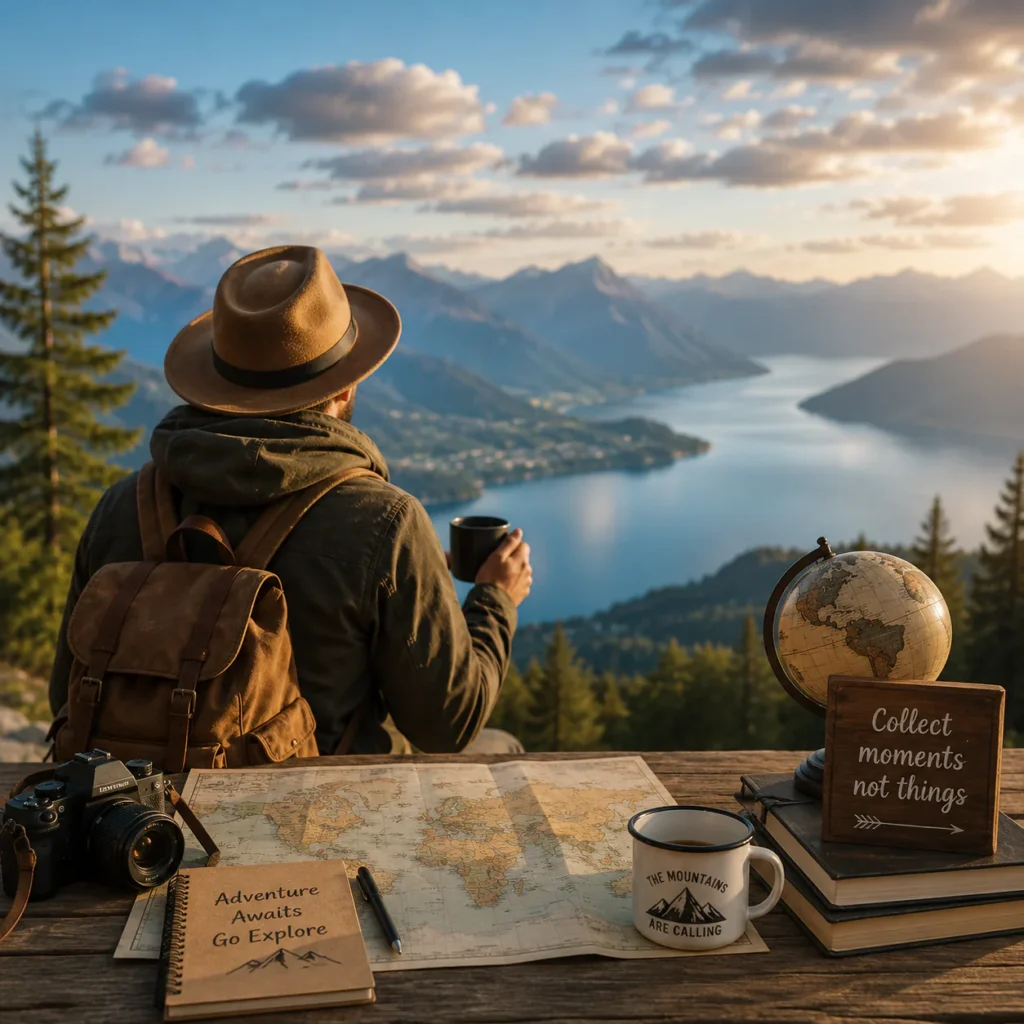

Stepping out of traditional resort holidays into the world of outdoor adventure travel can feel intimidating. Many aspiring travelers believe you must be an ultra-marathoner or mountaineer to participate.
That belief is mistaken. Adventure travel exists on a wide spectrum, welcoming anyone with curiosity and a baseline level of physical fitness.
Here is a beginner’s guide to planning your first active holiday, detailing fitness preparation, gear choices, and how to select certified local guides.
Understanding Soft Adventure Versus Hard Adventure
The adventure tourism sector divides activities into two clear categories.
Soft adventure activities involve moderate physical activity with minimal technical risk. Examples include sea kayaking on sheltered fjords, guided day hikes, and wildlife safaris.
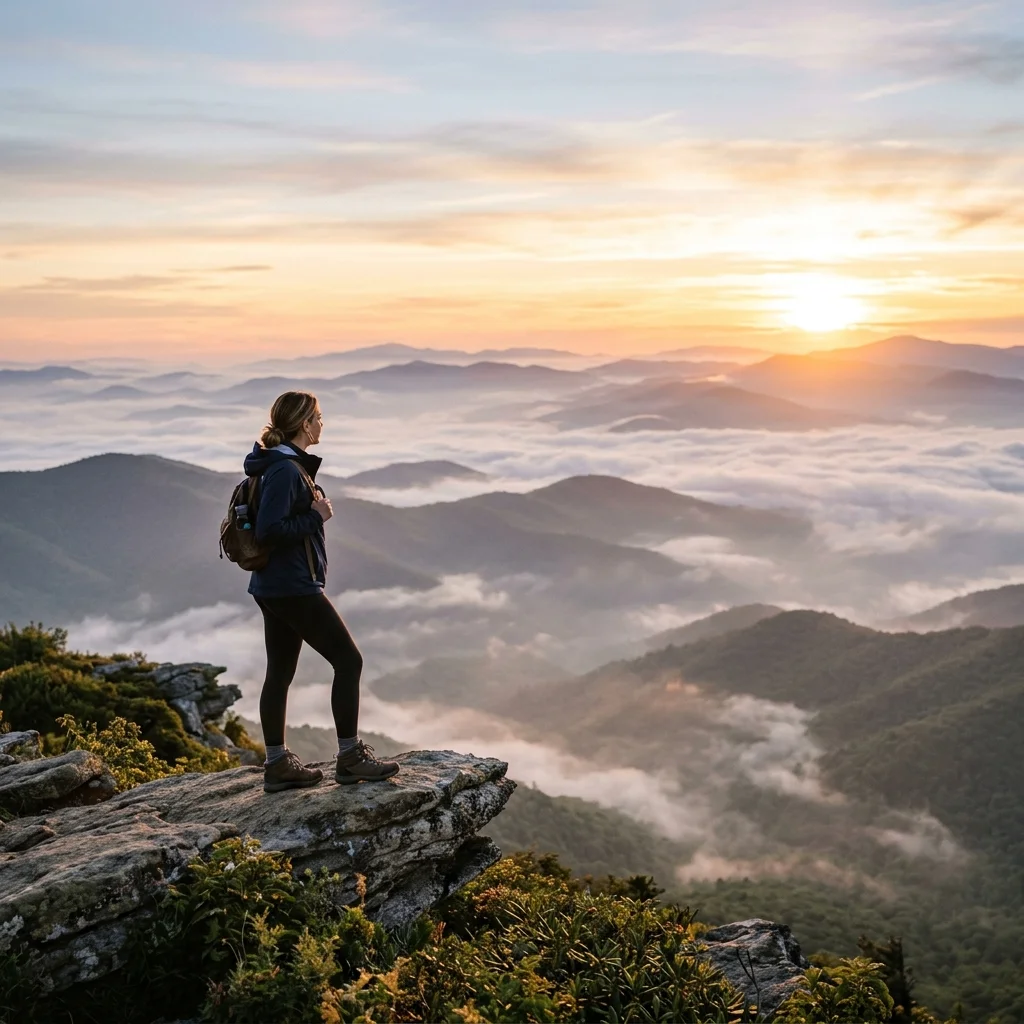
Hard adventure involves technical outdoor skills, remote wilderness exposure, and measurable physical risk. Activities like mountaineering, white-water kayaking, and backcountry polar exploration fall into this group.
Beginners should start with soft adventure trips. You gain backcountry confidence without placing yourself in dangerous survival scenarios.
How to Plan Your First Active Journey
Start with honest physical self-assessment. Running on a motorized gym treadmill does not train the stabilizing muscles needed for downhill scree scrambling.
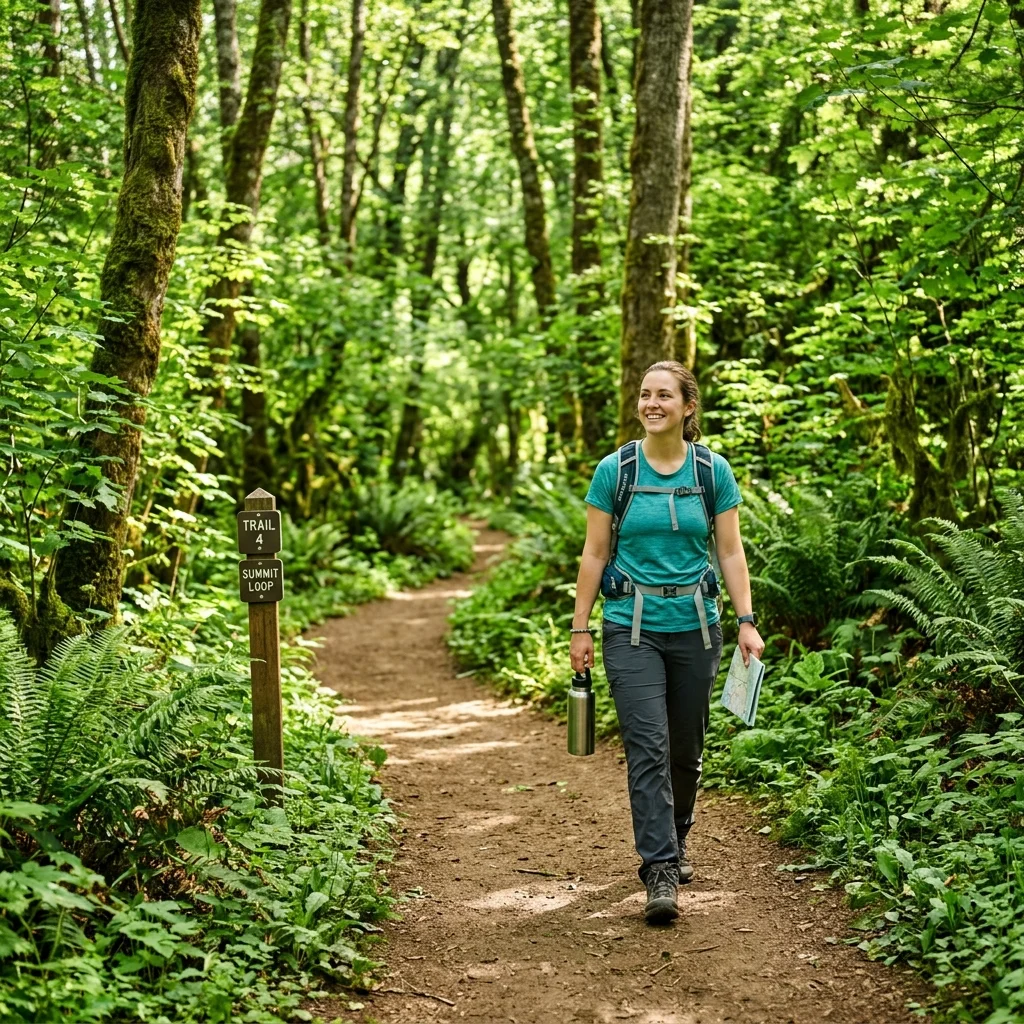
Spend two months hiking local trails with a loaded daypack before your trip. Getting used to uneven footing prevents sprained ankles and knee fatigue.
Why Certified Local Guides Are Worth the Investment
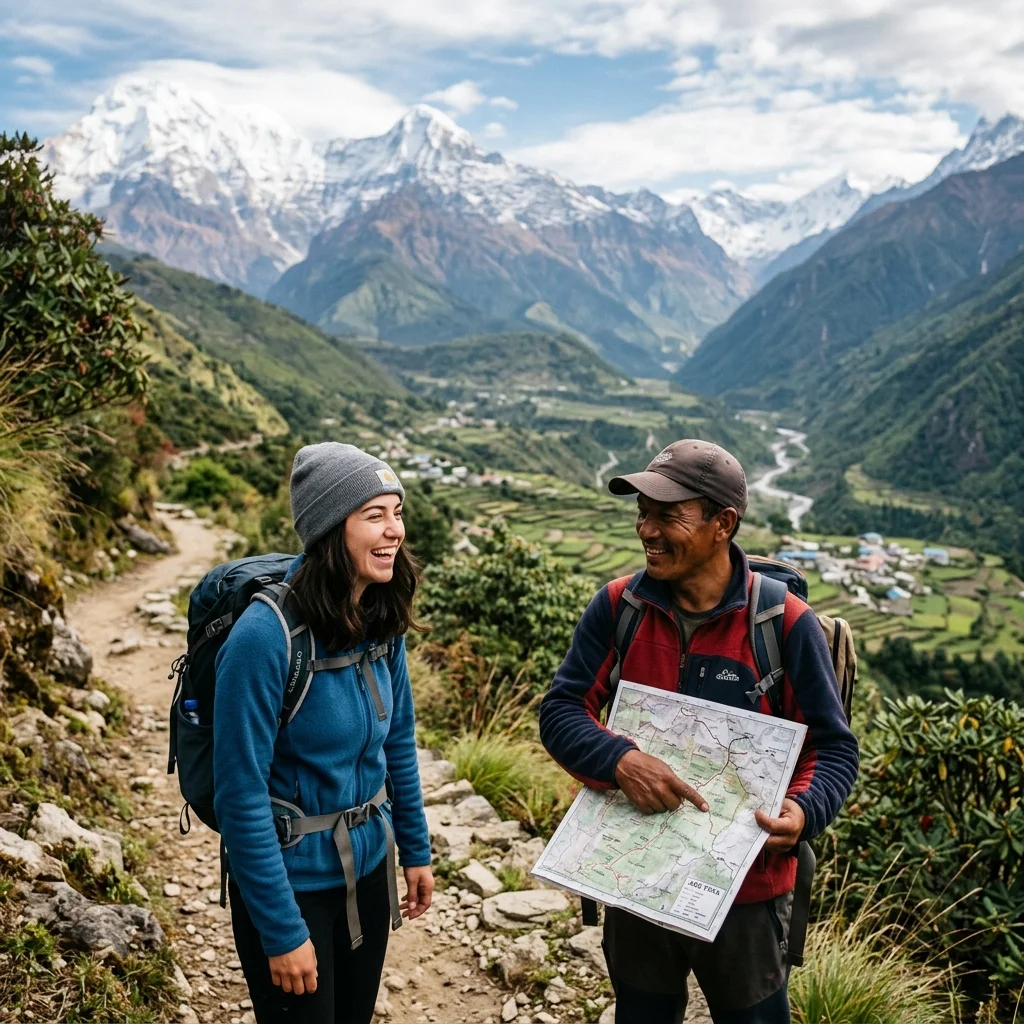
Booking a certified local guide for your first expedition is the smartest decision a beginner can make.
Experienced guides understand subtle weather changes, manage trail pacing, and handle wilderness first aid. They also share rich regional folklore that solo travelers miss.
Essential Gear and Packing Discipline
Do not haul a hard-shell rolling suitcase on an outdoor journey. Wheeled luggage fails completely on dirt paths, boat ramps, and cobblestone alleys.
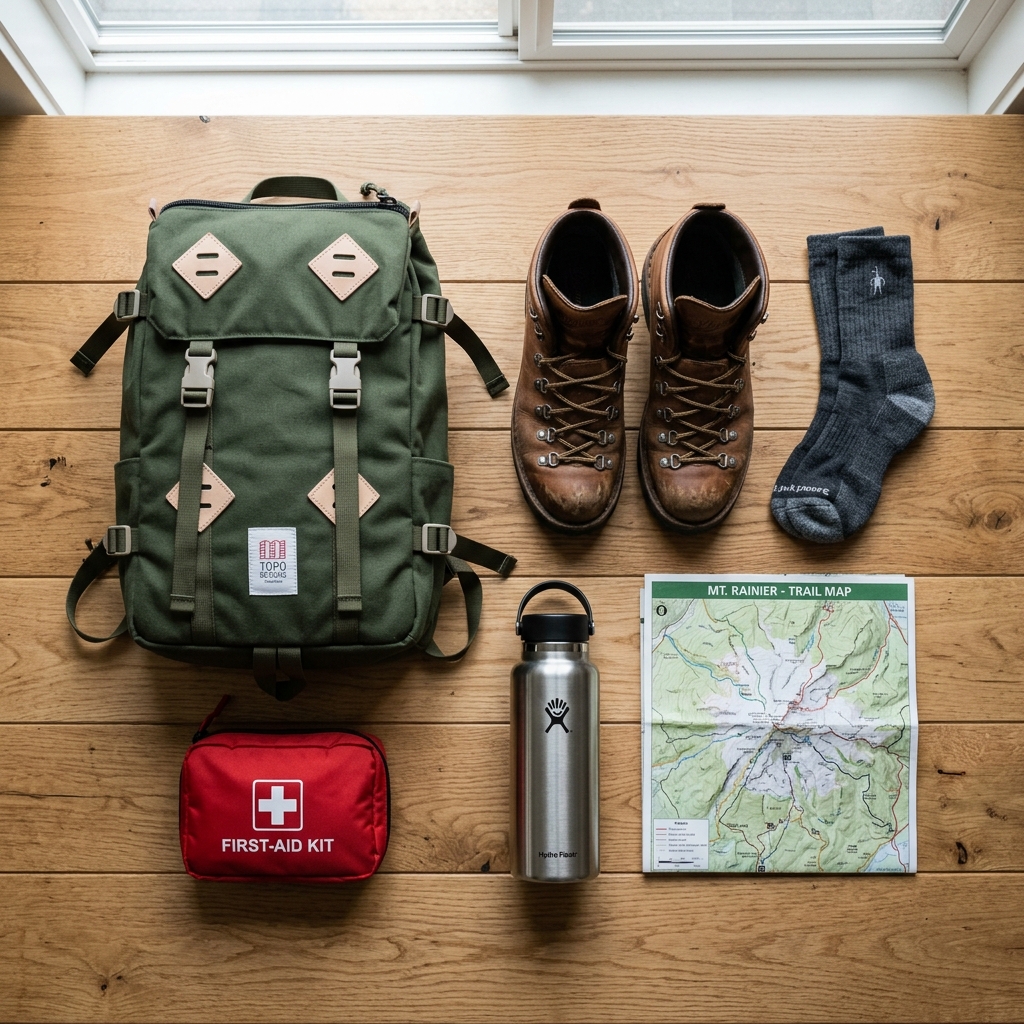
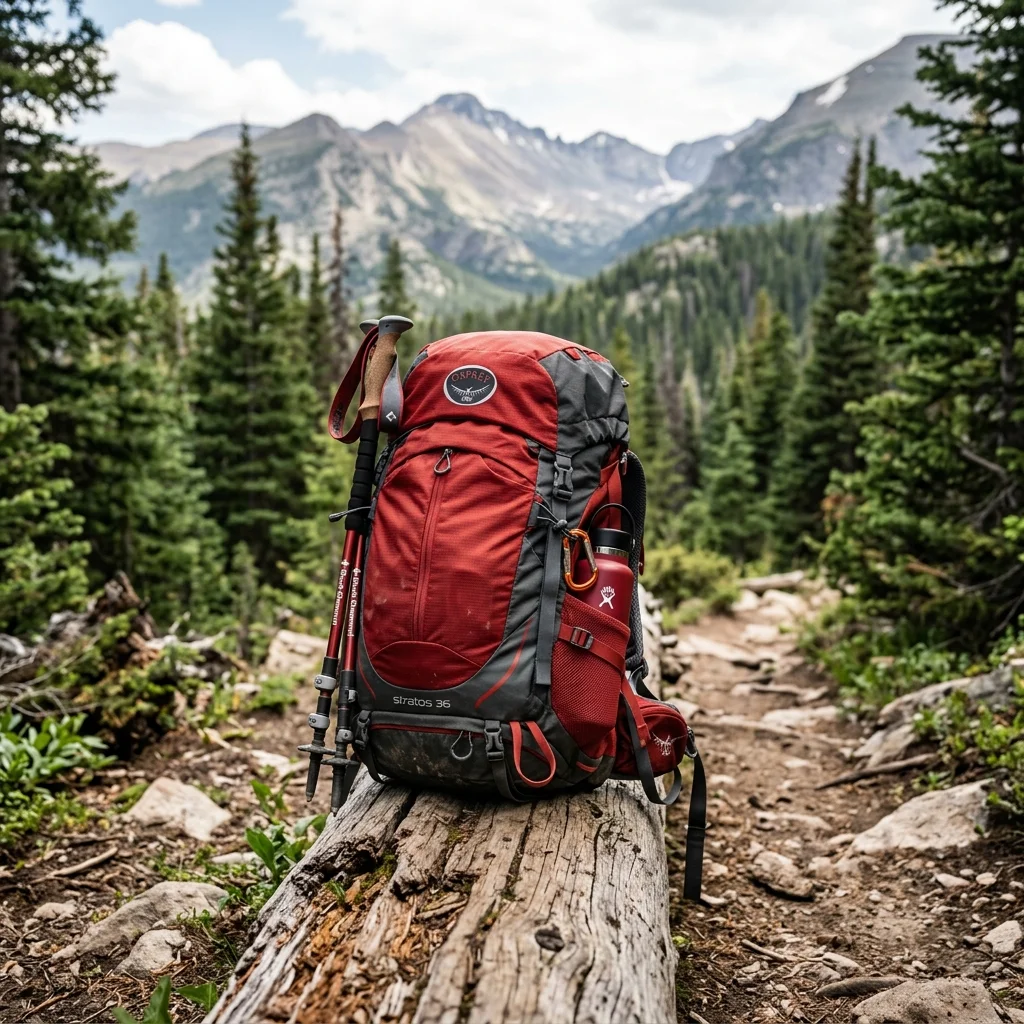
Invest in an ergonomic internal-frame backpack between forty and fifty liters. It distributes weight onto your hips rather than straining your shoulders.
Pack a technical clothing layering system: moisture-wicking synthetic shirts, an insulating fleece mid-layer, and a seam-sealed waterproof rain jacket. This system keeps you comfortable across changing conditions.
Safety Protocols and Wilderness Etiquette
Always carry a dedicated headlamp, extra drinking water, and basic blister care on every day hike. Getting caught after nightfall without light turns minor delays into emergencies.
Follow Leave No Trace principles strictly. Pack out all food wrappers, stay on marked trails, and leave natural artifacts exactly where you find them.
Frequently Asked Questions
Do I need expensive technical gear for my first adventure trip?
No. Focus your budget on comfortable broken-in hiking footwear and a dependable rain jacket. Many outfitters provide specialized camping and paddling gear as part of their packages.
How do I know if an adventure outfitter is reputable?
Check whether the company belongs to recognized trade bodies like the Adventure Travel Trade Association. Ask about guide medical certifications and equipment safety records.
What should I pack in a basic personal wilderness first-aid kit?
Pack blister treatment pads, adhesive bandages, antiseptic wipes, ibuprofen, antihistamine tablets, and rehydration salt packets.
Can I travel solo on an organized group adventure trip?
Yes. Group adventure tours attract many solo travelers. They offer built-in social camaraderie, pre-arranged logistics, and shared guide safety.