
Few travel experiences compare to the rhythm of multi-day wilderness backpacking. Packing your gear and walking across mountain ranges changes your relationship with the outdoors.
Across the globe, legendary hiking routes offer extraordinary scenery alongside genuine physical tests. From Himalayan passes to Andean cloud forests, these trails reward deliberate preparation.
Here are five iconic long-distance treks worth planning entire journeys around, detailing distances, terrain, and permit logistics.
5 Iconic Long-Distance Hiking Trails Worldwide
1. Annapurna Circuit, Nepal
The Annapurna Circuit remains the gold standard of high-altitude Himalayan trekking. Spanning roughly one hundred sixty to two hundred thirty kilometers, it traverses climate zones from subtropical river valleys to arctic mountain passes.
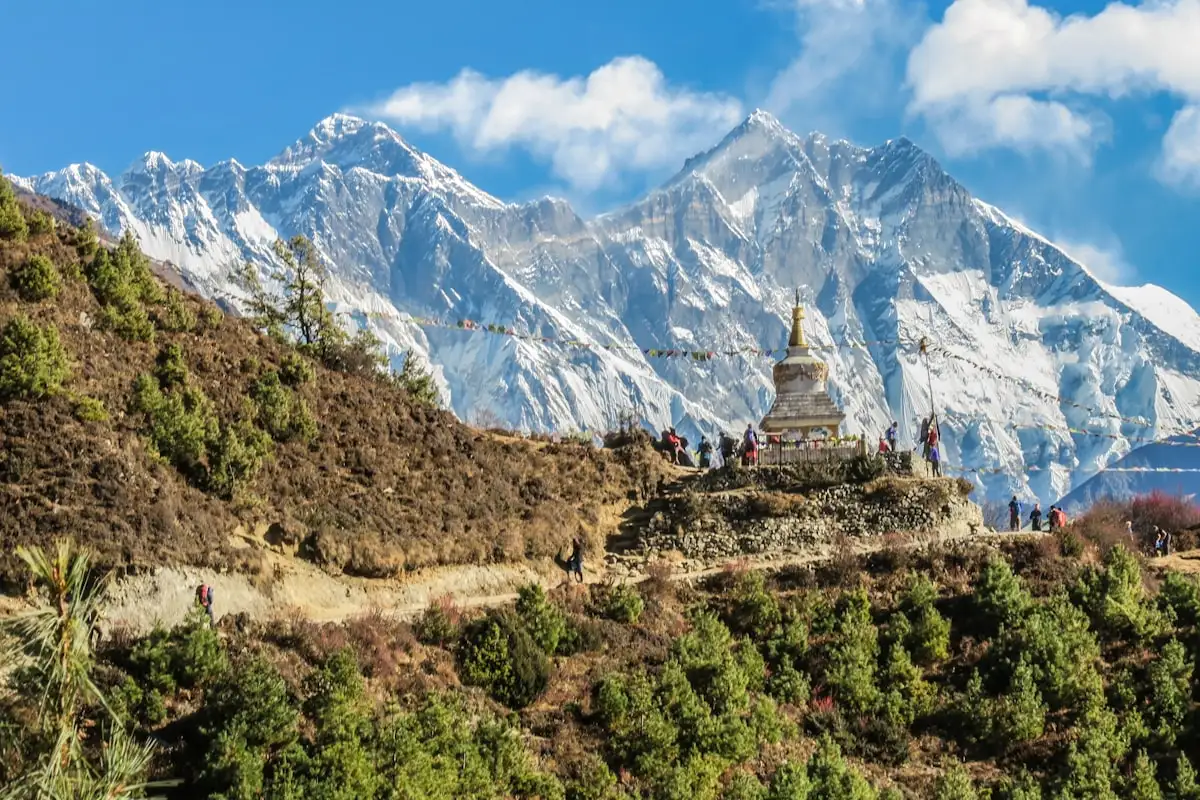
The visual climax arrives at Thorong La Pass, standing at 5,416 meters above sea level. Crossing the pass at dawn with prayer flags whipping in the sub-zero wind is unforgettable.
Trekkers stay in rustic family-run teahouses. You enjoy hot dal bhat dinners and woodstove warmth without having to carry heavy tents or cooking stoves.
2. Classic Inca Trail to Machu Picchu, Peru
The Inca Trail spans forty-five kilometers of original hand-carved stone paving through the Andes. It is both a strenuous mountain trek and a journey through ancient history.
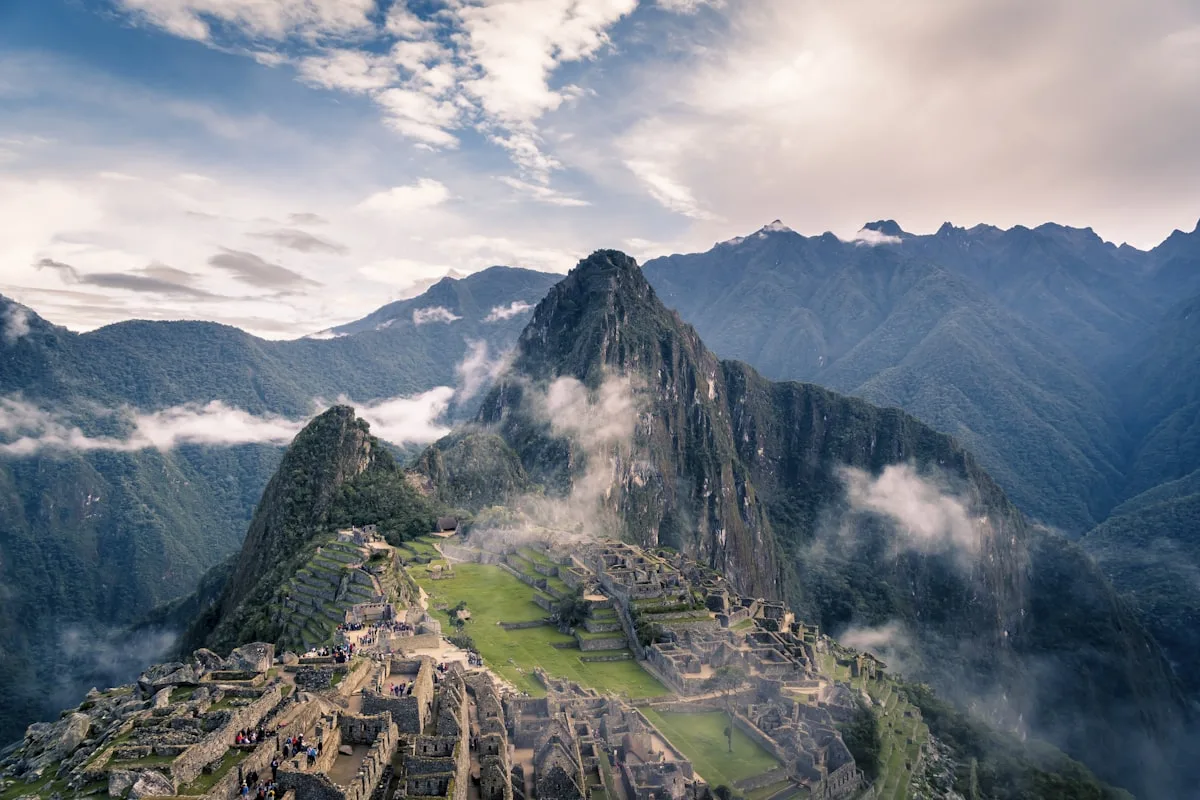
Hikers climb through high cloud forests before confronting Dead Woman’s Pass at 4,215 meters elevation. The physical effort pays off on the fourth morning at Inti Punku (the Sun Gate) overlooking Machu Picchu.
Peruvian authorities restrict permits to five hundred per day, including guides and porters. Book your permit four to six months ahead to guarantee your spot.
3. Tour du Mont Blanc, France, Italy, and Switzerland
Circumnavigating Western Europe’s highest peak, the Tour du Mont Blanc spans approximately one hundred seventy kilometers through three Alpine nations.
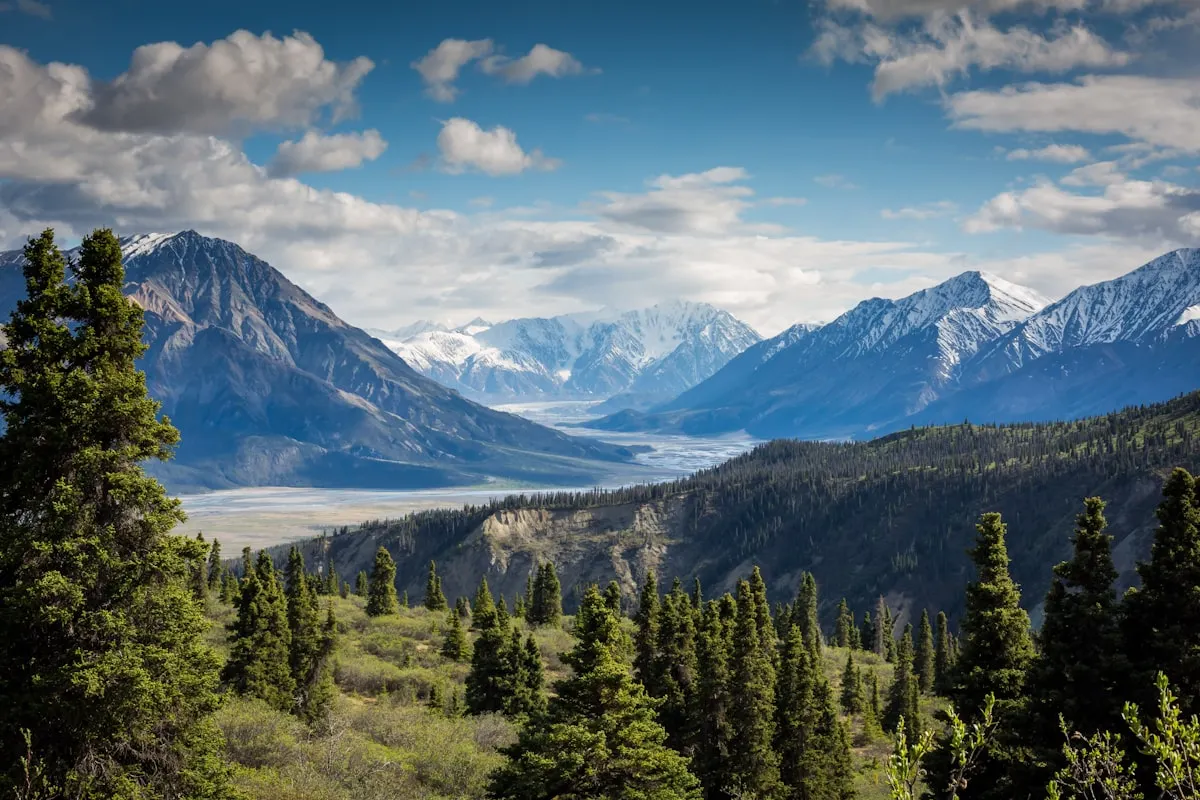
Hikers conquer ten thousand meters of cumulative elevation gain. You walk beneath soaring granite needles and descending glaciers while crossing high mountain cols.
Each evening brings welcoming alpine refuges. Enjoying hot French cheeses, Italian espressos, and Swiss chocolates softens the demands of long trail days.
4. Laugavegur Trail, Iceland
The Laugavegur Trail covers fifty-five kilometers across Iceland’s southern Highlands. It offers a surreal landscape of rainbow-colored rhyolite mountains, steaming geothermal vents, and jet-black obsidian lava fields.
Hikers wade through freezing glacial river crossings and camp on black sand plains beneath massive ice caps.
The hiking season is brief, running from late June to early September. Ferocious North Atlantic storms arrive without warning, requiring dependable four-season waterproof gear.
5. Overland Track, Tasmania, Australia
Cutting through the Cradle Mountain-Lake St Clair National Park, the Overland Track traverses sixty-five kilometers of pristine Australian wilderness.
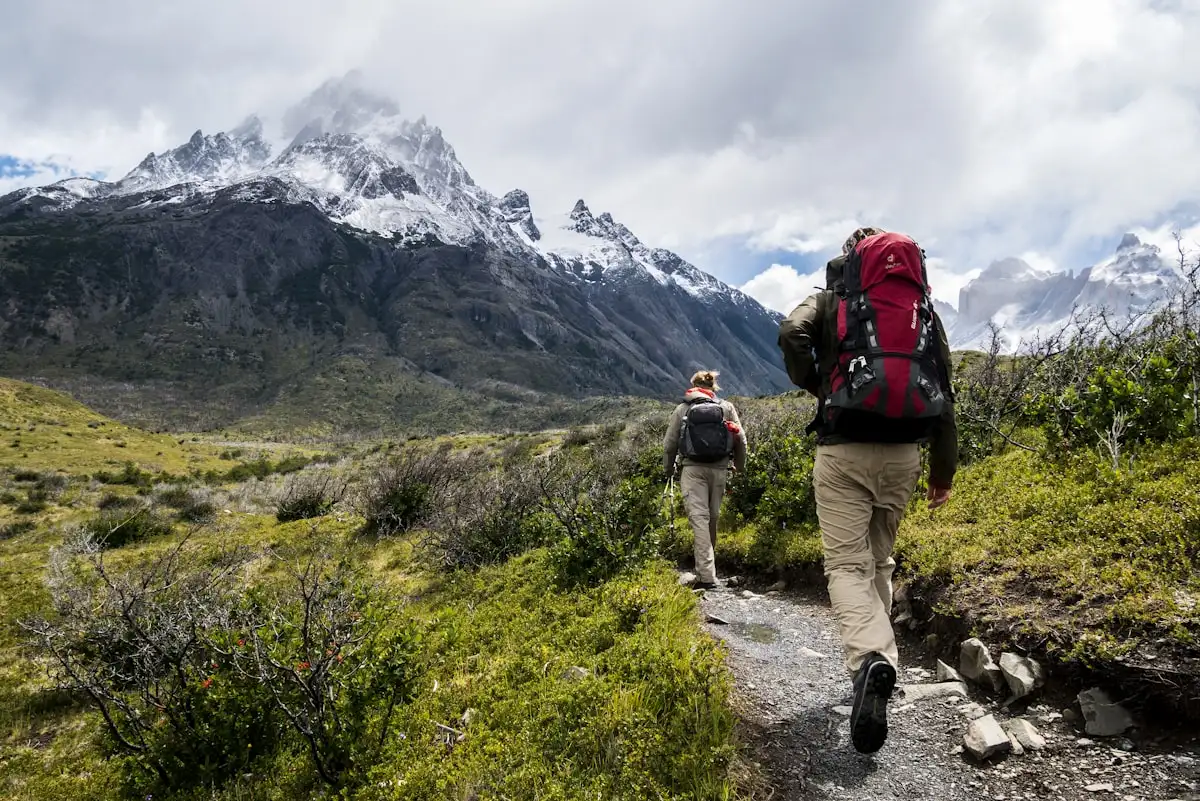
The route winds through ancient button-grass moorlands, temperate rainforests, and beneath jagged dolerite spires. Wombats, echidnas, and wallabies frequently graze alongside the boardwalk.
Tasmania Parks operates a strict booking system between October and May. Hikers must walk north to south to protect fragile alpine vegetation.
Essential Trail Preparation and Gear Strategy
Multi-day backcountry trekking leaves little margin for gear failure. Prioritize comfort and safety above all else.
Break in your boots thoroughly weeks before stepping onto the trail. Blisters end more wilderness treks than physical exhaustion ever does.
Layering clothing correctly is non-negotiable in mountainous terrain. Pack a moisture-wicking merino base layer, an insulating fleece, and a rugged Gore-Tex waterproof outer shell.
Frequently Asked Questions
How far in advance do I need to book Inca Trail permits?
Inca Trail permits routinely sell out four to six months ahead for peak dry season dates between May and September. Book as early as possible.
Do I need mountaineering skills for the Tour du Mont Blanc?
No technical rock climbing or mountaineering gear is required. The trail follows well-marked walking paths, though steep ascents demand solid physical conditioning.
What makes crossing the Thorong La Pass challenging?
Altitude is the primary challenge. At 5,416 meters, oxygen levels drop significantly. Gradual acclimatization over several preceding days is essential to avoid altitude sickness.
Can I complete the Annapurna Circuit independently without a guide?
Nepal updated regulations requiring licensed guides or certified local trekking companions for most foreign hikers to improve mountain rescue safety.