

Affordable international travel is rarely about staying in miserable dorms or skipping iconic sights. It is about understanding how travel pricing actually operates.
Most travelers lose money on three avoidable mistakes. They book during peak summer surges, pack oversized bags that trigger airport penalty fees, and accept poor currency exchange rates.
When you fix those leaks, international adventures become remarkably affordable. Here is how to structure realistic trips abroad that maximize your funds while protecting your comfort.
Choosing the Right Destinations and Travel Timing
Destination choice sets your baseline daily burn rate. Exploring Switzerland or Iceland requires a substantial budget, regardless of how aggressively you trim small expenses.
In contrast, countries across Southeast Asia, Eastern Europe, and parts of Central America offer incredible daily purchasing power. In places like Vietnam, Albania, or Guatemala, twenty-five to forty dollars a day easily covers pleasant private rooms, reliable transport, and fresh regional dining.

Why Shoulder Season Unlocks the Greatest Travel Savings
Timing matters just as much as geography. Traveling during the shoulder season—the weeks directly before or after high summer—delivers dramatic price drops.
Flight fares drop twenty to forty percent. Hotel owners willingly offer discounts. The weather remains pleasant, and historic monuments are noticeably less crowded.
In southern Europe, visit in May or October instead of July. You get warm sunshine, open attractions, and far lower nightly accommodation rates.
How to Secure Affordable Flights Without Gimmicks
Airfare represents the single biggest upfront hurdle for most overseas journeys. Yet scoring reasonable fares does not require secret browser tricks or clearing cache cookies at midnight.
Use modern fare aggregators like Google Flights and Skyscanner to survey entire months at once. Setting price alerts two to four months ahead lets you capture temporary drops.
Understanding Error Fares and Open-Jaw Routes
Airline pricing algorithms occasionally glitch, generating unusually cheap fares known as error fares. Flight deal trackers flag these mispriced tickets when they appear.
If you spot an error fare, book immediately. But wait a few days before booking non-refundable hotels, giving the airline time to confirm the ticket.
Consider booking open-jaw itineraries. Flying into one city and departing from another eliminates the need to backtrack across an entire country just to catch your return flight.
Avoiding the Budget Airline Baggage Trap
Budget airlines advertise eye-catching base fares, but they monetize heavily through strict luggage rules. Arriving at the boarding gate with an overweight rolling bag can cost more than your seat.
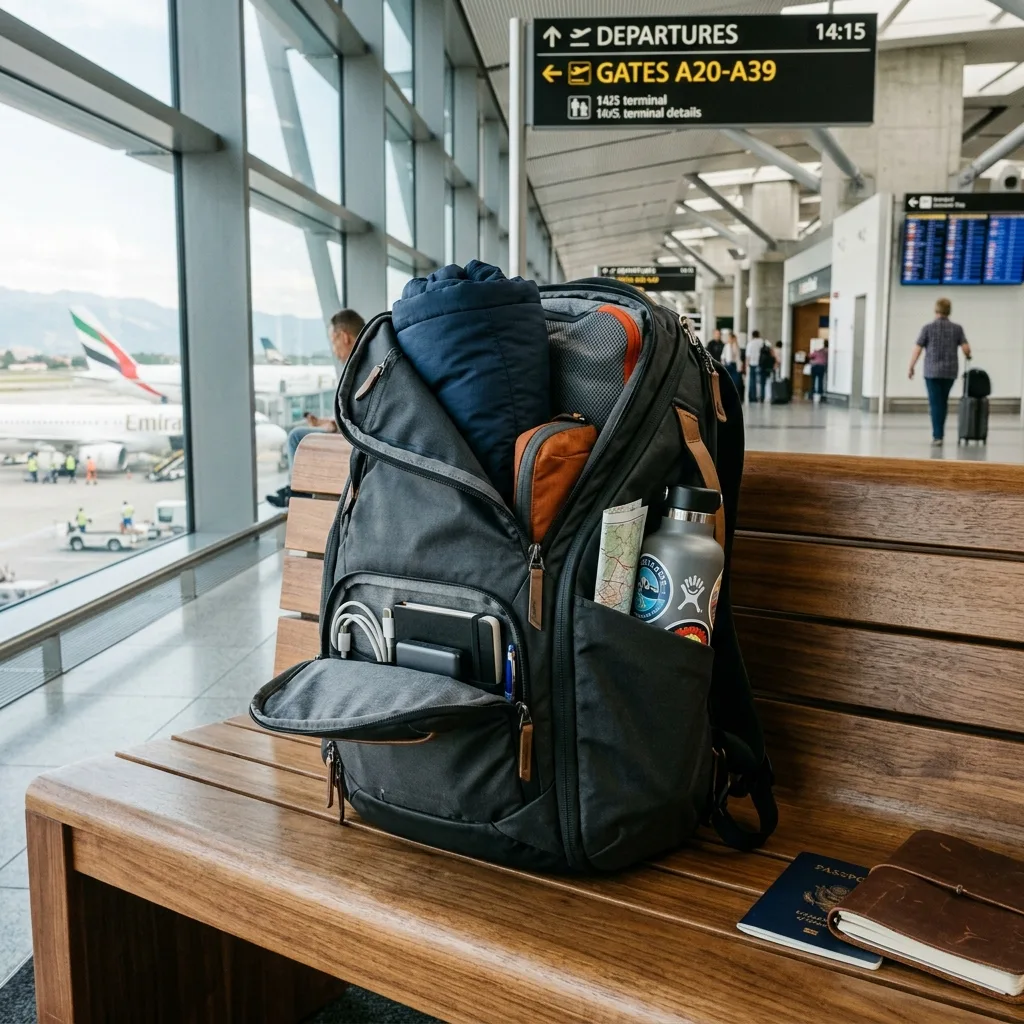
Invest in a sturdy forty-liter carry-on backpack. Keeping your gear under standard cabin limits eliminates baggage fees and speeds up your arrival at every airport.
Smart Lodging Strategies and Cultural Work Exchanges
Accommodation costs mount rapidly on long journeys. Mixing different lodging formats keeps overall spending low while enhancing your cultural connection.
Consider work-exchange networks for longer stays. Volunteer platforms connect travelers with verified hosts offering free lodging in exchange for roughly twenty hours of weekly assistance.

Comparing Workaway and Worldpackers
Two major platforms dominate the volunteer travel space:
- Worldpackers: Features verified host reviews, responsive traveler support, and emergency lodging reimbursement if an agreement fails.
- Workaway: Offers a vast global directory spanning eco-farms, language teaching, animal care, and boutique hostel operations.
Both networks allow you to trade skills for room and board, stretching your travel runway for months at a time.
Banking Rules and Medical Protection Abroad
Hidden bank charges quietly drain travel budgets. Traditional credit and debit cards frequently slap a three percent foreign transaction fee on every transaction.
Open a travel-oriented digital banking account such as Wise or Revolut before departure. These accounts provide live interbank exchange rates with zero markup.
Always Choose Local Currency at Payment Terminals
When paying abroad or withdrawing cash, payment terminals will ask whether to bill you in home currency or local currency.
Always decline the terminal conversion and choose local currency. Letting the foreign ATM perform conversion triggers dynamic currency fees that cost you extra cash every time.
Why Reliable Travel Medical Insurance Is Essential
Skipping travel insurance to shave a few dollars off your trip is a dangerous gamble. Overseas emergency healthcare costs can easily reach tens of thousands of dollars.
Secure basic international health coverage before your flight leaves. Having reliable emergency medical coverage lets you travel with genuine peace of mind.
Frequently Asked Questions
What is the most effective way to lower international travel costs?
Travel during shoulder season and pick destinations where your home currency holds strong purchasing power. Those two choices save more money than any minor coupon hack.
How far ahead should I book international flights?
Aim to book international long-haul flights roughly two to four months ahead of your departure date. Booking earlier or later often results in higher baseline prices.
What does dynamic currency conversion mean for international travelers?
Dynamic currency conversion occurs when foreign card terminals offer to bill you in your home currency. It applies an unfavorable exchange rate, adding unnecessary fees.
Are volunteer exchange platforms suitable for solo beginners?
Yes. Platforms like Worldpackers thoroughly vet hosts and feature peer reviews from past travelers, offering a secure environment for solo adventurers.