
Watching wild animals navigate their natural habitats without human barriers is one of travel’s most humbling experiences.
A true wildlife safari demands patience, skilled local tracking, and realistic expectations. From the savannas of East Africa to the dense wetlands of South America, each ecosystem operates on seasonal animal migrations.
Here is a guide to the world’s most rewarding wildlife safari destinations, detailing key species, vehicle styles, and optimal tracking seasons.
Africa: Legendary Savannas and Water Safaris
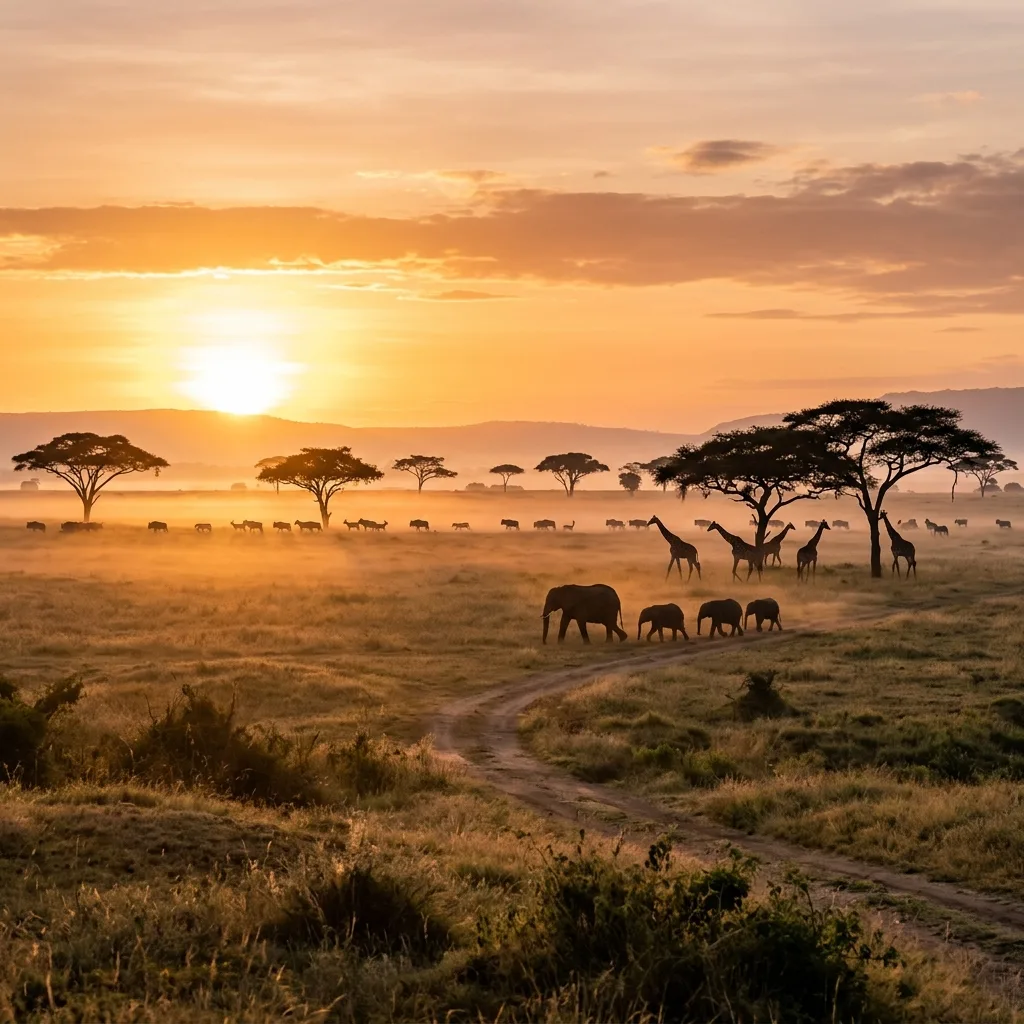
Africa remains the historical heart of wildlife safaris. Its vast protected ecosystems harbor the highest concentrations of large mammals on Earth.
The Serengeti and Masai Mara: Tracking the Great Migration
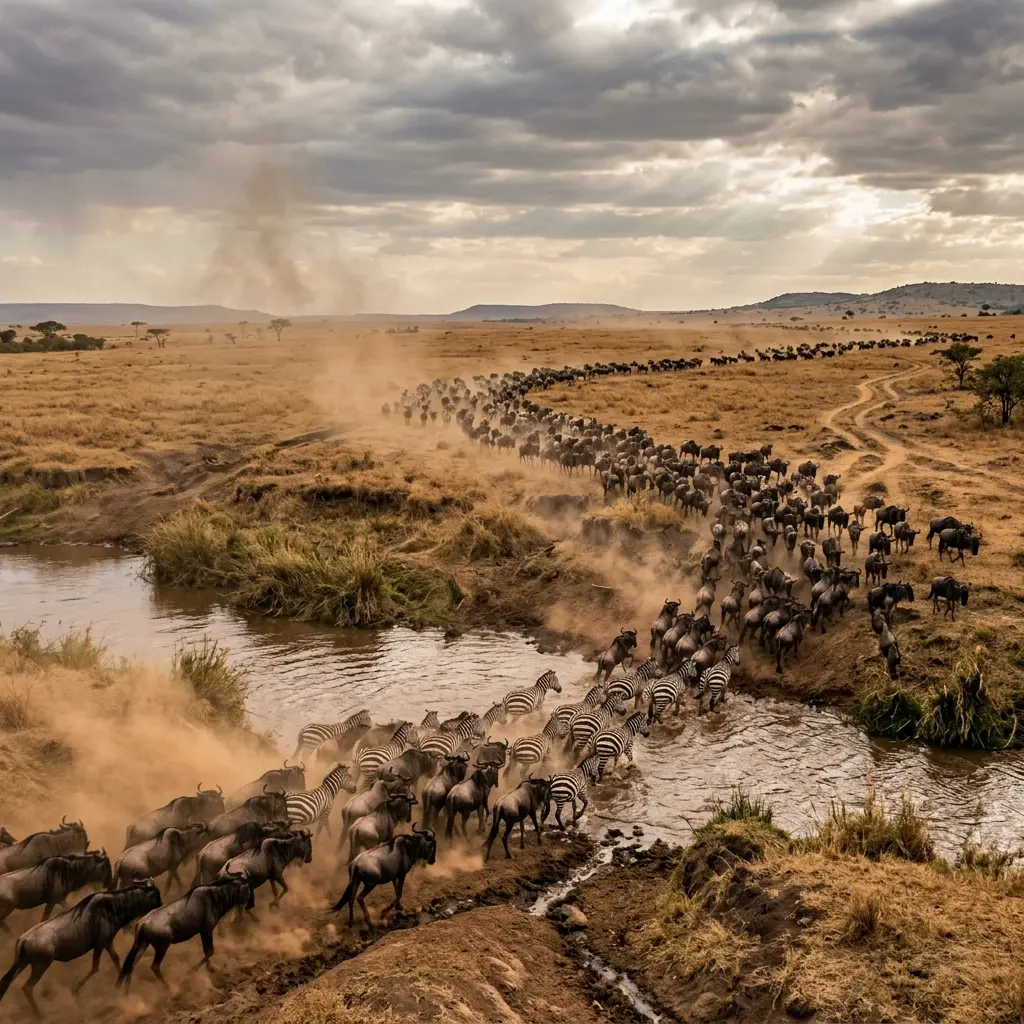
The continuous movement of over 1.5 million blue wildebeest, zebras, and gazelles across Tanzania and Kenya represents the planet’s largest overland migration.
Predators follow the herds closely. Lions, spotted hyenas, and cheetahs patrol migration corridors daily.
Between July and October, the herds brave crocodile-infested Mara River crossings. From January to March, calving season in the southern Serengeti triggers intense predator activity.
Kruger National Park: South Africa’s Accessible Big Five Bastion
Kruger National Park spans two million hectares of diverse bushveld. It offers the world’s most accessible sightings of the Big Five: elephant, lion, leopard, rhinoceros, and Cape buffalo.
Travelers can rent standard passenger cars for independent self-drive game viewing on sealed roads. Alternatively, adjacent private concessions like Sabi Sand offer off-road tracking and night game drives.
Okavango Delta and Chobe, Botswana: Gliding Along River Channels
Botswana preserves some of Africa’s most pristine wilderness through strict, low-impact tourism models.
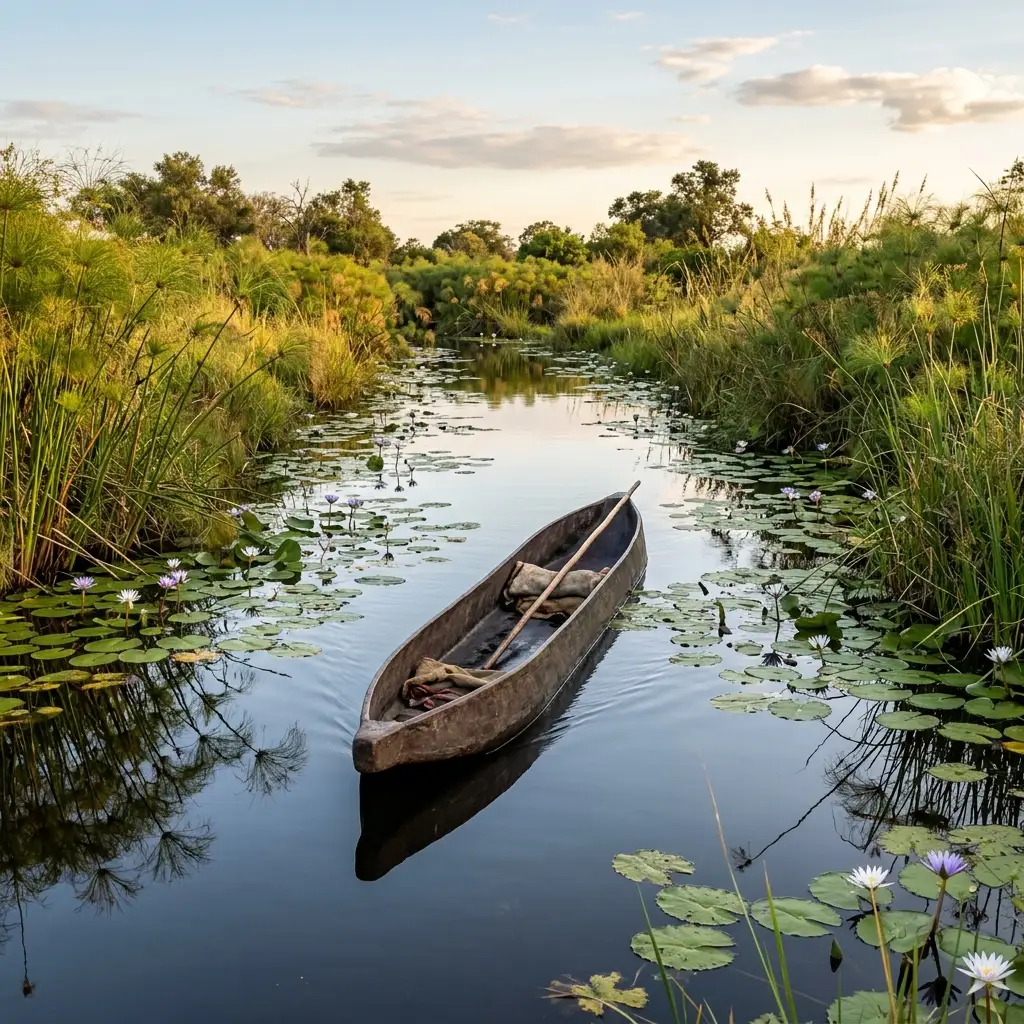
In the Okavango Delta, travelers glide silently through reed channels inside traditional dug-out canoes called mokoros. You observe elephants and rare sitatunga antelope from water level.
Directly to the east, Chobe National Park hosts over one hundred thousand Kalahari elephants congregating along the Chobe River frontage.
Asia: Tracking Elusive Big Cats
Asian wildlife safaris offer a completely different visual atmosphere, trading open grasslands for dense sal forests and riverine jungle.
Ranthambore National Park, India
Surrounding a crumbling tenth-century fortress in Rajasthan, Ranthambore National Park provides prime opportunities to encounter wild Bengal tigers.
Game drives operate in open Maruti Suzuki Gypsy jeeps assigned to strictly regulated park zones. The hot dry months of April and May force tigers to remain near dwindling waterholes, increasing viewing odds.
Yala and Wilpattu, Sri Lanka
Sri Lanka holds dense concentrations of Asian wildlife. Yala National Park features one of the world’s highest known leopard densities.
Travelers also spot Asian elephants and sloth bears foraging through thorny scrub forests. Visit during the February to July dry season for clearest animal visibility.
South America: Wetlands and Island Wonders
South America showcases remarkable biodiversity across flooded river basins and volcanic archipelagos.
The Brazilian Pantanal: The World’s Premier Jaguar Habitat
The Pantanal is the planet’s largest tropical wetland ecosystem. Because vegetation is more open than in the Amazon basin, wildlife viewing is far easier.
Speedboat safaris along the Cuiaba River offer remarkable sightings of wild jaguars hunting caimans and capybaras along riverbanks.
The Galápagos Islands, Ecuador
The Galápagos Islands feature animals that evolved without land predators, displaying zero fear of humans.
Snorkel alongside marine iguanas, playful sea lions, and Galapagos penguins. Expedition catamarans provide guided natural history walks across desolate volcanic islands.
Essential Safari Gear and Optics
Quality equipment dramatically improves your safari experience. Relying solely on smartphone cameras leads to disappointment when animals remain hundreds of yards away.
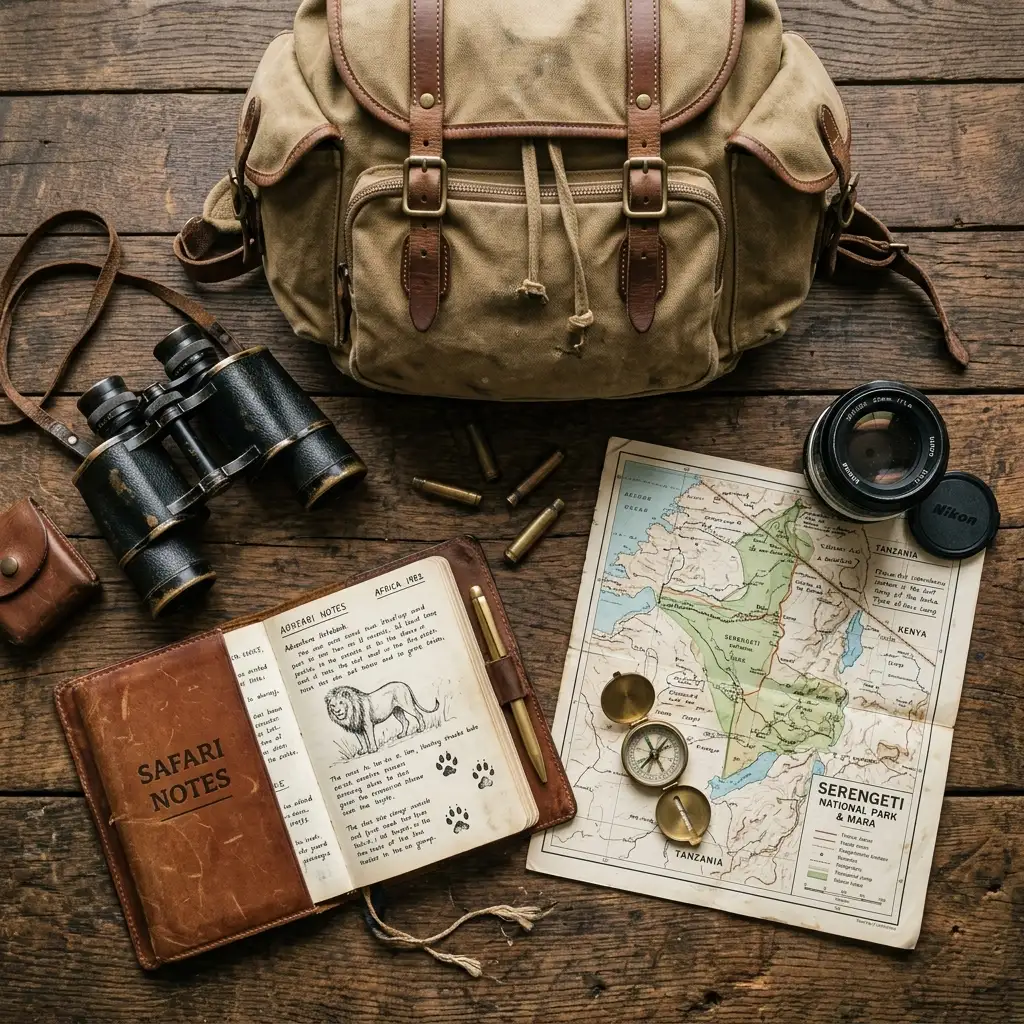
Invest in an 8×42 or 10×42 pair of binoculars with multi-coated glass. For photography, carry a telephoto zoom lens reaching at least 400mm focal length to capture sharp animal portraits without disturbing their behavior.
Frequently Asked Questions
What is the difference between open and closed safari vehicles?
Open vehicles feature tiered bench seating with open sides and canvas roofs, offering unobstructed 360-degree photography angles. Closed vehicles feature sliding windows and pop-up roof hatches.
When is the best time to see the Great Migration river crossings?
The dramatic Mara River crossings typically occur between late July and October as herds move north toward fresh pastures in Kenya.
Is it safe to go on a self-drive safari in Kruger National Park?
Yes. Main roads inside Kruger are paved and well-signposted. Drivers must obey posted speed limits and remain inside closed vehicles at all times.
What colors should I wear on an African safari?
Wear neutral earth tones like khaki, olive green, and beige. Avoid bright colors that startle wildlife, and avoid dark blue or black which attract tsetse flies.