

Standard sightseeing tours no longer satisfy every traveler. For adrenaline enthusiasts, true connection comes from confronting physical limits in raw natural environments.
Extreme adventure travel has evolved beyond reckless stunts. Professional outfitters now pair rigorous safety protocols with bucket-list physical challenges.
Here are four of the world’s most intense adventure activities, detailing what to expect, essential safety gear, and how to prepare.
4 Legendary Adventure Travel Thrills on Earth
1. Volcano Boarding at Cerro Negro, Nicaragua
Cerro Negro remains one of Central America’s youngest and most active basaltic cinder cones. Rising outside Leon, its black slopes drop at steep forty-degree angles.
Riders hike forty-five minutes up the rocky volcanic ridge carrying specialized plywood boards. At the summit, strong trade winds whip sulfur steam across the crater rim.
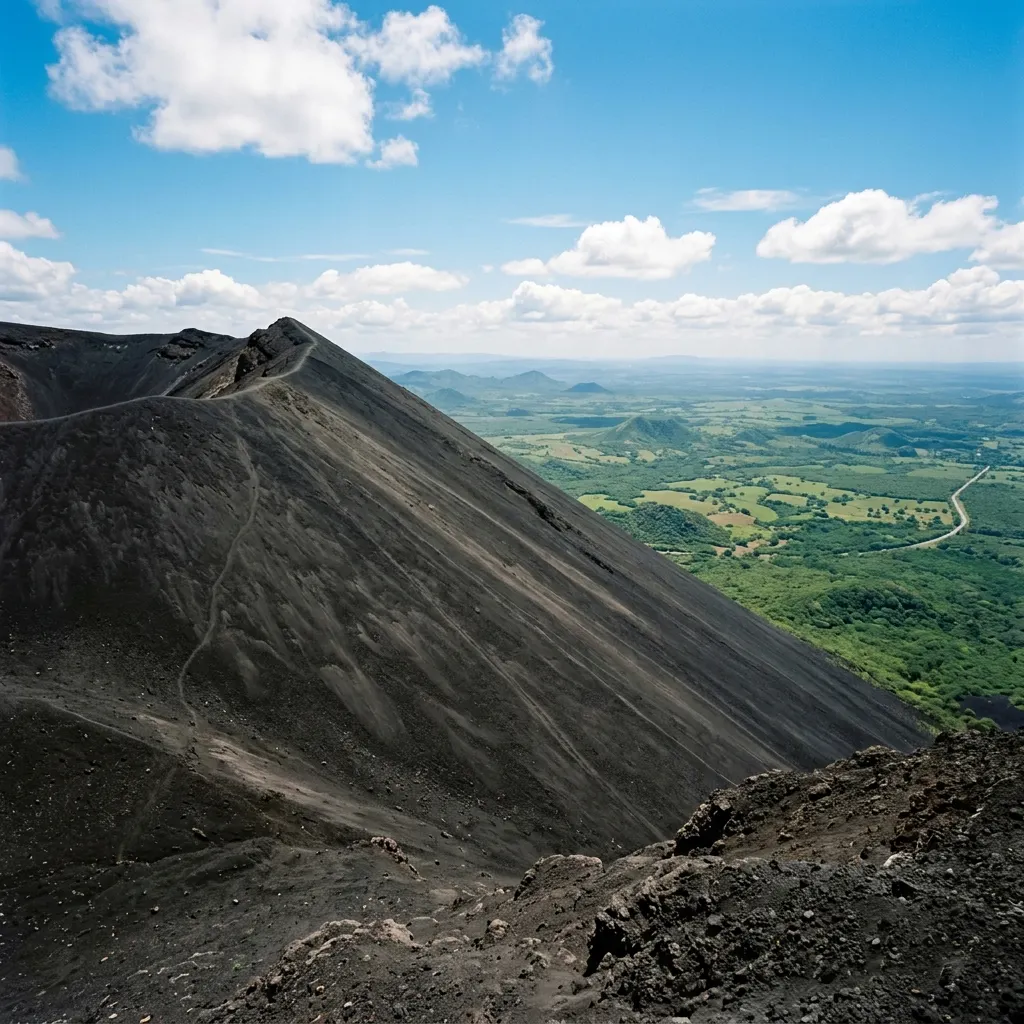
Sitting upright or leaning back on the sled, riders slide down loose volcanic pebbles, reaching speeds exceeding fifty miles per hour.
Protective clothing is essential. Heavy canvas jumpsuits, leather gloves, and sealed dust goggles shield riders from sharp volcanic gravel and airborne basalt dust.
2. High-Altitude Bungee Jumping in New Zealand and South Africa
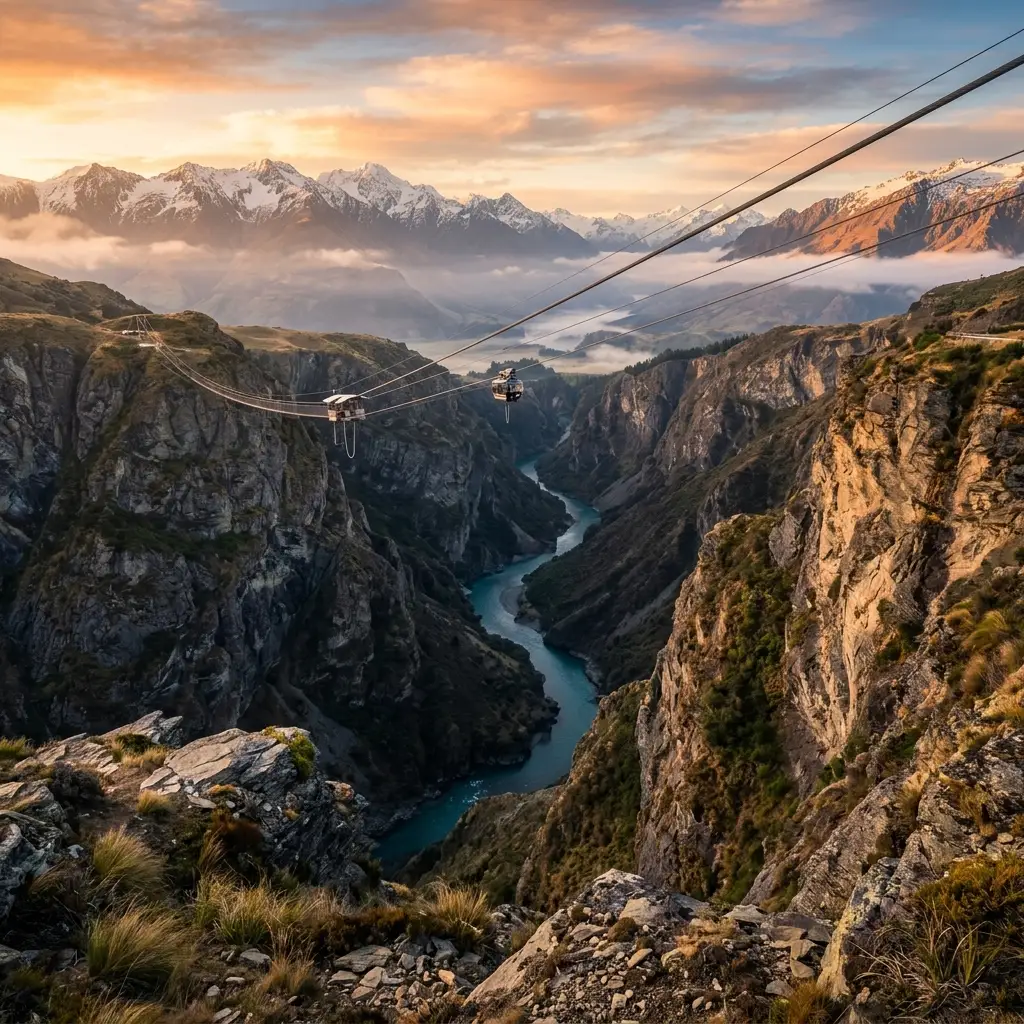
Modern commercial bungee jumping began in Queenstown, New Zealand. Today, the Nevis Bungy suspends jumpers one hundred thirty-four meters above a rushing river canyon.
Jumpers step off an open glass pod suspended on steel high-tension cables. You experience eight full seconds of pure, terrifying free fall.
In South Africa, the Bloukrans Bridge Bungy drops two hundred sixteen meters off an arched concrete highway overpass. It ranks as the world’s highest commercial bridge jump.
Dual-redundant leg harnesses and chest straps provide rigorous mechanical safety. Jumpers must follow certified technician weight checks strictly before stepping onto the platform.
3. Coasteering Along the Rugged Sea Cliffs of Pembrokeshire, Wales
Coasteering originated on the jagged Atlantic coast of southwest Wales. It combines cliff jumping, technical rock scrambling, and sea cave swimming into a continuous coastal route.
Participants navigate the intertidal zone where Atlantic ocean swell slams against ancient limestone cliffs. Timing jumps with incoming waves requires sharp focus.
Outfitters equip adventurers with thick cold-water wetsuits, whitewater helmets, and high-flotation buoyancy vests. Certified guides monitor tide shifts and hidden submerged rocks closely.
4. Great White Shark Cage Diving at the Neptune Islands, Australia
The Neptune Islands off South Australia host one of the world’s largest gathering spots for adult great white sharks.
Divers submerge inside heavy aluminum cages lowered into cool oceanic currents. Massive predatory sharks patrol feet away, inspecting the cage with quiet curiosity.
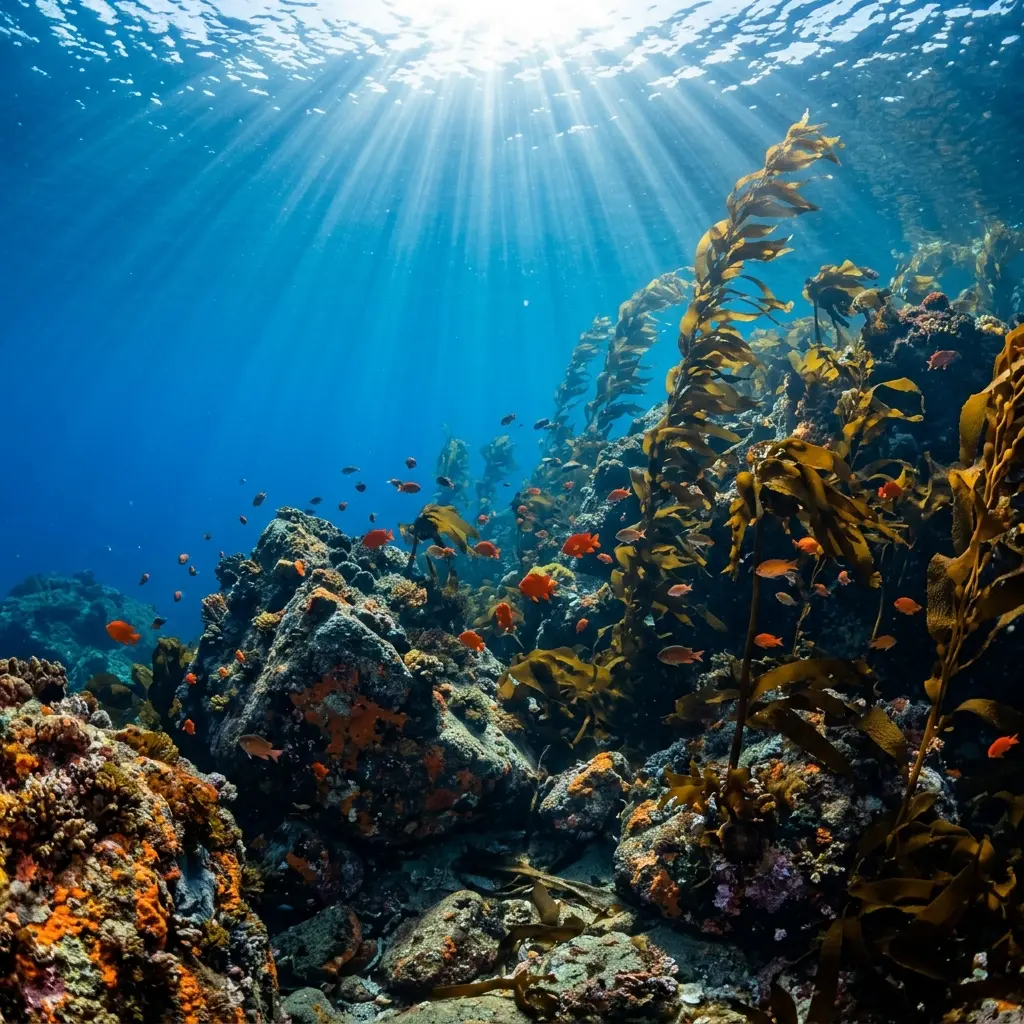
Surface-supplied hookah breathing systems allow non-certified divers to breathe calmly underwater. Operators use acoustic monitoring and visual identification without feeding or harassing the animals.
Essential Gear and Risk Management for Extreme Sports
Participating in high-risk outdoor activities requires honest preparation. Never book with operators who cut corners on safety equipment or insurance checks.
Always verify company certifications with local mountaineering, diving, or adventure tourism authorities. Check emergency medical evacuation procedures before signing waivers.
Standard travel insurance policies consistently exclude extreme sports. Purchase an adventure-specific insurance policy covering helicopter rescue and wilderness medical treatment.
Frequently Asked Questions
How safe is volcano boarding on an active volcano?
Reputable operators monitor seismic activity constantly. Boarders wear durable jumpsuits, goggles, and gloves to protect against scrapes from abrasive gravel.
Can beginners participate in shark cage diving?
Yes. Surface cage diving relies on surface air hoses, requiring no formal scuba certification. Certified instructors remain stationed above the cage throughout.
What physical fitness level is required for coastal coasteering?
Participants need basic swimming ability and general physical stamina to navigate rocks, climb sea crags, and swim against gentle coastal tides.
What should I check before booking a bungee jump abroad?
Confirm the company operates under recognized international safety standards, performs daily equipment load testing, and employs experienced jump masters.