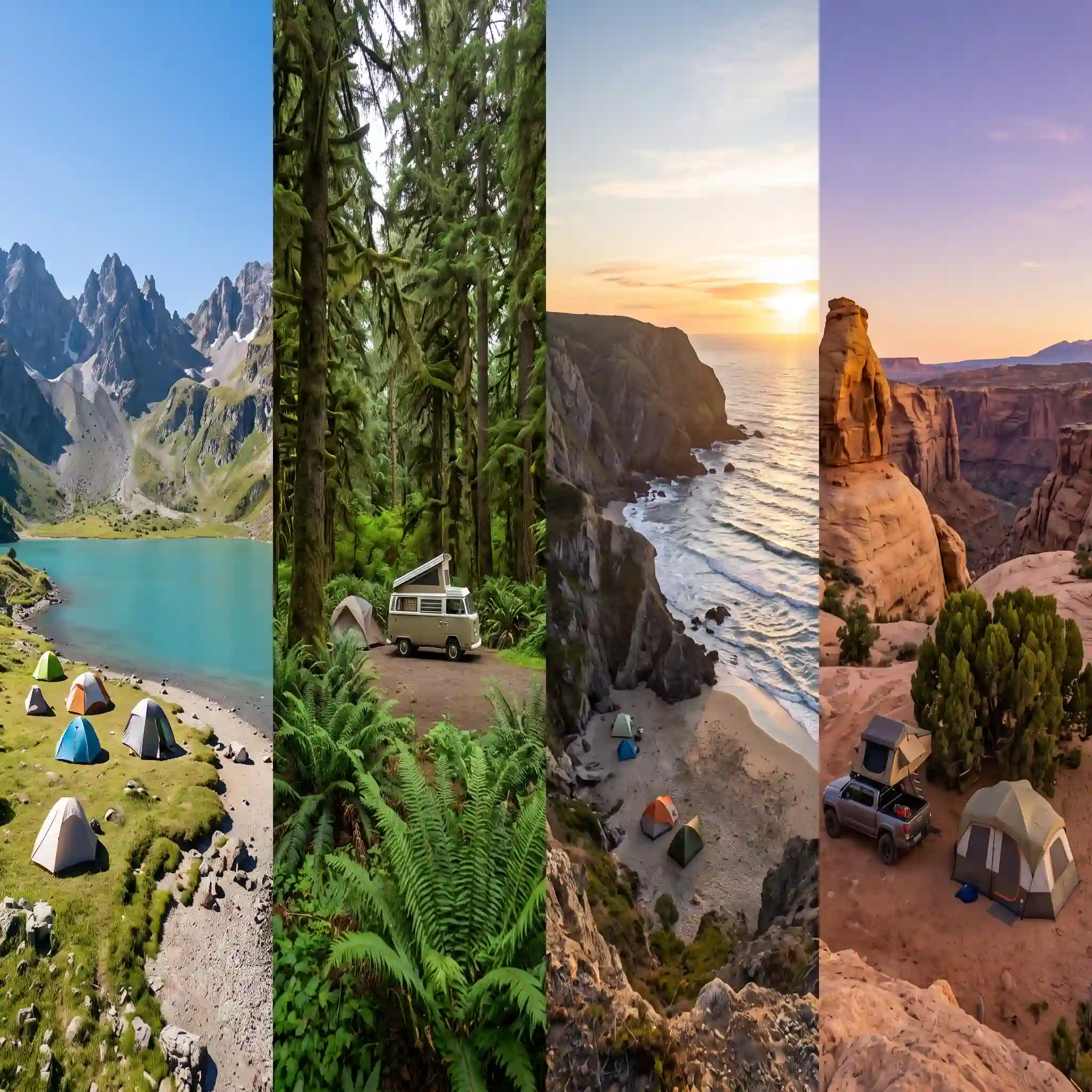

Waking up in a tent to crisp mountain air or the sound of breaking waves is an experience no luxury resort can replicate.
Yet world-class camping requires far more than packing a sleeping bag and driving into the woods. Extreme winds, hungry wildlife, and strict permit systems require grounded logistics.
Here is a complete planning guide to the planet’s most spectacular camping destinations, covering booking windows, local regulations, and essential wilderness skills.
Iconic Camping Destinations and Wilderness Expeditions
Camping across different continents presents distinct environmental challenges. Matching your gear to the specific climate is what guarantees an enjoyable wilderness stay.
Torres del Paine National Park, Chile
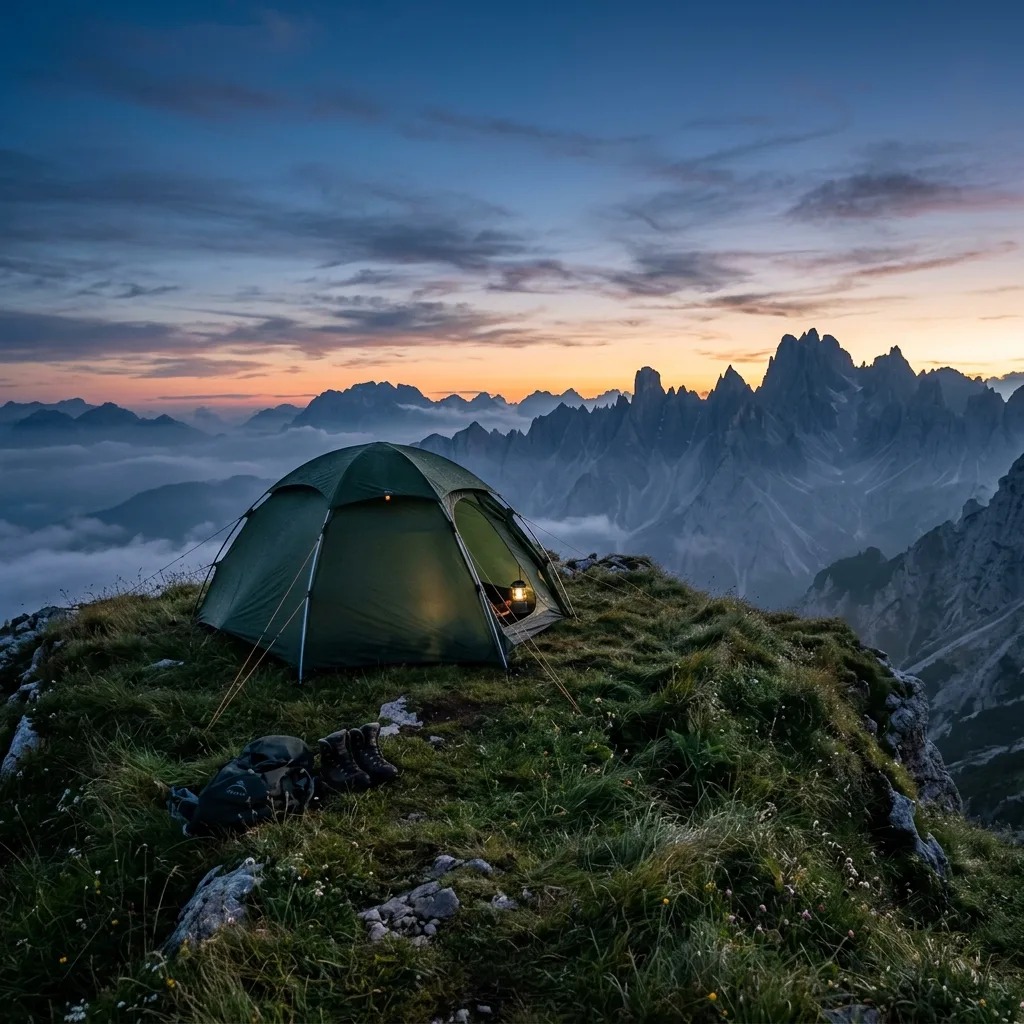
Patagonian camping places you directly beneath colossal granite spires. Geodesic dome camps like EcoCamp Patagonia offer warm eco-glamping, while designated trail campsites host backpackers along the W Trek.
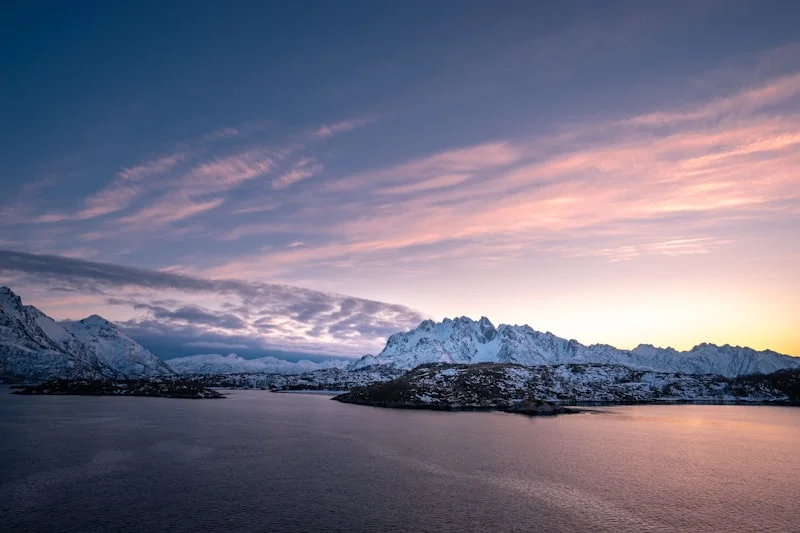
Wind is your primary opponent in Patagonia. Sudden storm squalls easily snap weak fiberglass tent poles. Pack an expedition-grade four-season tent and use heavy rock anchors on all guy lines.
Banff National Park, Canadian Rockies
Pitching a tent under Canadian pine forests surrounded by glacial lakes offers timeless alpine beauty. Elk and mule deer routinely wander through campgrounds in the early morning.
Strict bear food protocols are mandatory. Campers must lock all food, cookware, and toiletries inside metal food lockers or certified bear canisters. Leaving scented items in tents attracts grizzlies.
Fiordland and Mount Cook, New Zealand
New Zealand is a global haven for campervan touring and backcountry tenting. The Department of Conservation manages an extensive network of serviced campsites and wilderness huts.
Freedom camping is permitted in designated areas across the country. However, vehicles must hold certified self-contained status with onboard toilet facilities to use non-serviced sites legally.
Serengeti National Park, Tanzania: Tented Camps on the Plains
Camping on the East African savanna is raw and thrilling. Semi-permanent safari camps place you in the middle of untamed wildlife corridors.
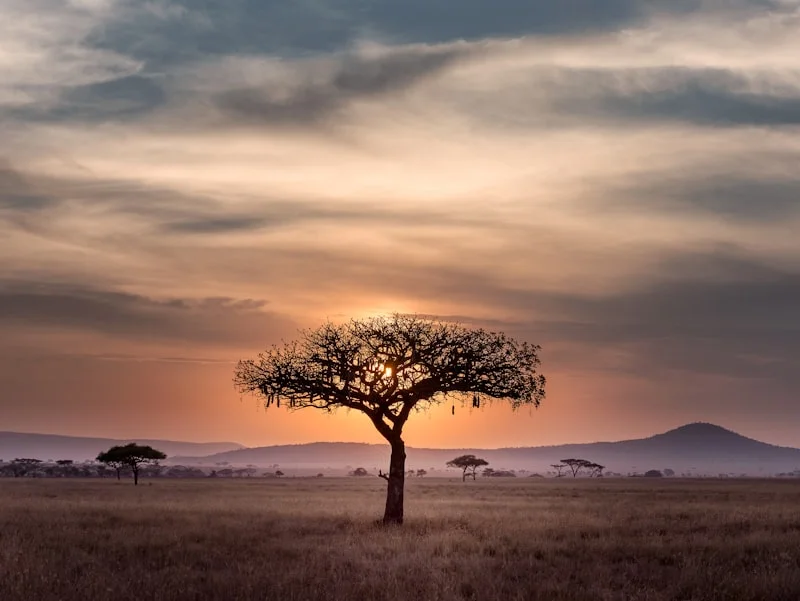
Lions roar in the darkness, and hyenas regularly patrol camp perimeters at night. Campers sleep inside heavy canvas tents equipped with mesh windows, always accompanied by experienced Maasai guards.
Lauterbrunnen Valley, Switzerland
Lauterbrunnen features seventy-two cascading waterfalls tumbling over vertical limestone cliffs. Camping Jungfrau provides manicured tent pitches directly beneath the Staubbach Falls.
Avoid visiting in July and August when European holidays flood the valley. Late May and September provide crisp mountain hiking with far fewer crowds.
Backcountry Gear Setup and Wilderness Preparation
Successful wilderness camping relies on reliable gear. Testing new equipment in your backyard before embarking on an international expedition prevents miserable nights.
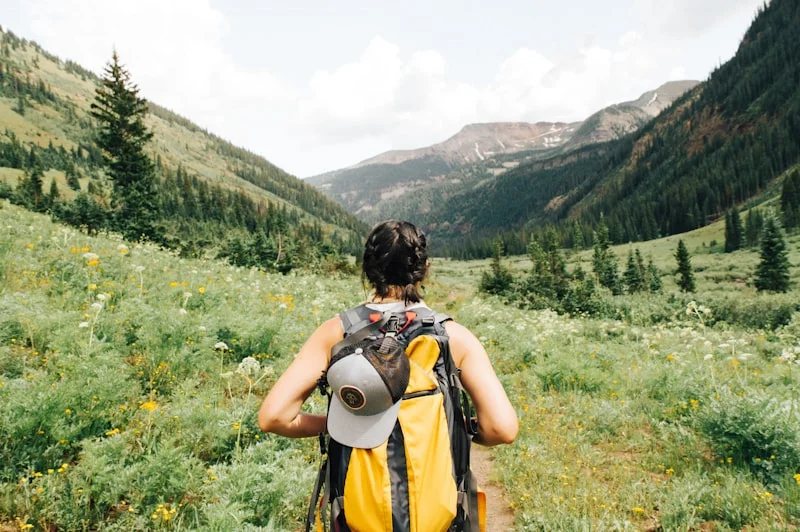
Prioritize your sleep system. A sleeping pad with an R-value above 4.0 prevents cold ground temperatures from pulling body heat away while you rest.
Carry a reliable gravity water filtration system and backup purification tablets. Pristine mountain streams can still harbor Giardia lamblia from grazing animals upstream.
Frequently Asked Questions
How far ahead should I book campsites in popular national parks?
Major parks like Banff, Torres del Paine, and Yosemite open reservation systems three to six months in advance. Prime summer weekend sites often book up within minutes.
What is the golden rule of bear safety when camping?
Never store food, wrappers, cosmetics, or scented toiletries inside your sleeping tent. Store all scented items inside bear-proof lockers or vehicle trunks away from your campsite.
What does self-contained certification mean for camping in New Zealand?
It verifies that a campervan can store fresh water and waste onboard for three days. This qualifies the vehicle for freedom camping zones.
How do you anchor a tent in rocky or frozen ground?
Use sturdy titanium stakes and wrap your guy lines around large heavy stones. Piling rocks on top of stakes holds tents firmly against intense mountain winds.