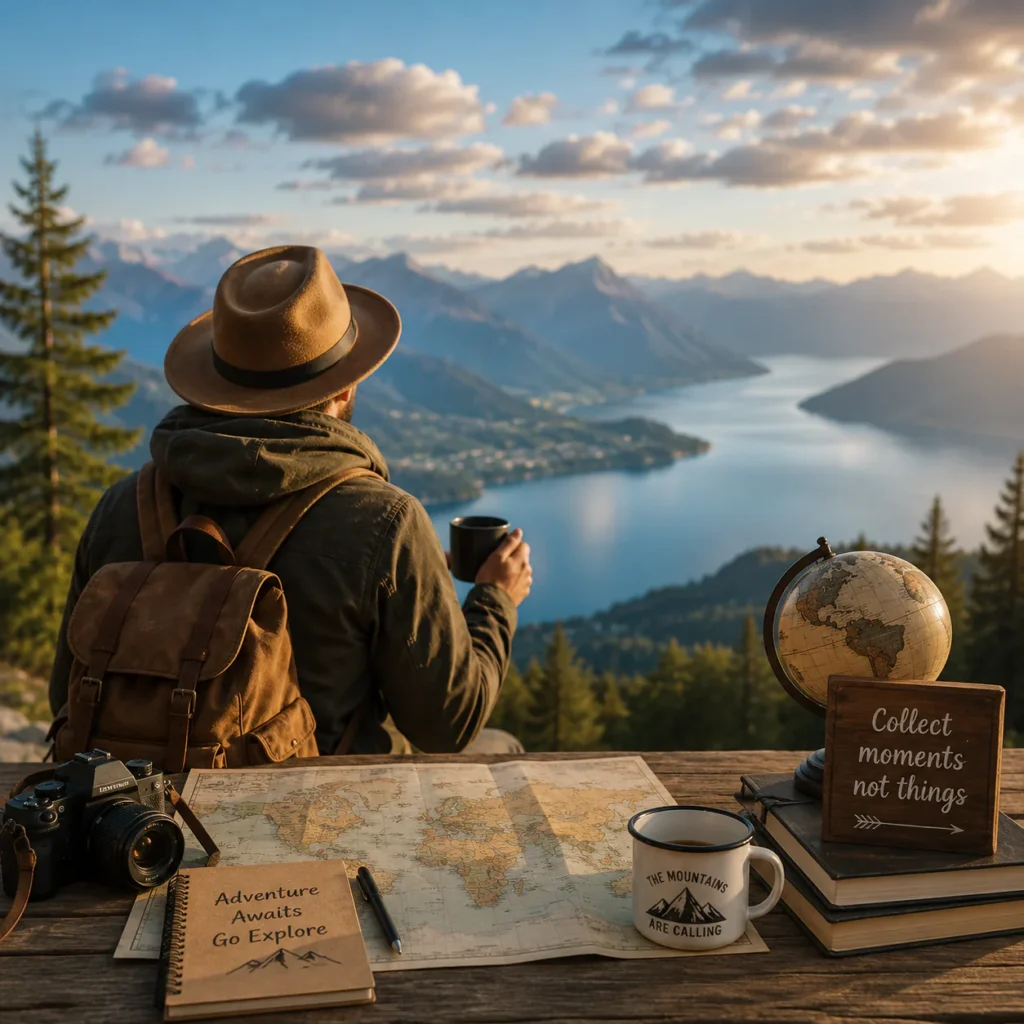

Hauling a sixty-pound rolling suitcase through muddy dirt roads or hopping onto rocking island ferries produces instant misery.
Packing light is a tactical skill that unlocks speed, agility, and peace of mind. Keeping all your gear inside a single carry-on backpack eliminates lost airline luggage forever.
Here is a battle-tested adventure travel packing guide based on the modular three-layer clothing system, technical fabrics, and weight management.
The Three-Layer Technical Clothing System
Never pack heavy cotton sweatshirts or denim jeans on active journeys. Cotton absorbs sweat, takes days to dry, and leaves you chilled when mountain breezes strike.
Rely instead on a modular technical layering system that adapts to changing weather.
1. The Base Layer: Active Moisture Management
Your base layer rests directly against your skin. Its primary job is pulling sweat away from your body to prevent clamminess.
Merino wool is the gold standard for adventure travelers. It breathes exceptionally well, regulates body heat, and naturally resists odor for days without washing.
2. The Mid Layer: Trapping Core Thermal Warmth
The mid layer traps warm air generated by your body without adding excessive physical bulk.
A lightweight grid fleece jacket or a packable eight-hundred-fill down sweater provides exceptional warmth-to-weight ratios. Both compress down into compact balls inside your pack.
3. The Outer Shell: Wind and Rain Defenses
Your outer layer shields you against freezing rain, blowing snow, and howling winds.

Invest in a high-grade breathable waterproof rain jacket featuring Gore-Tex or proprietary waterproof membranes with fully taped seams and pit ventilation zips.
Selecting the Right Backpack and Footwear
Your pack and boots represent the foundational hardware of any active trip.
Choose an internal-frame backpack between thirty-eight and forty-five liters. This capacity fits easily into international aircraft overhead bins while providing ample room for multi-day expeditions.
Use compression dry sacks to organize clothing categories. They compress apparel volume while protecting spare socks and electronics from heavy torrential downpours.
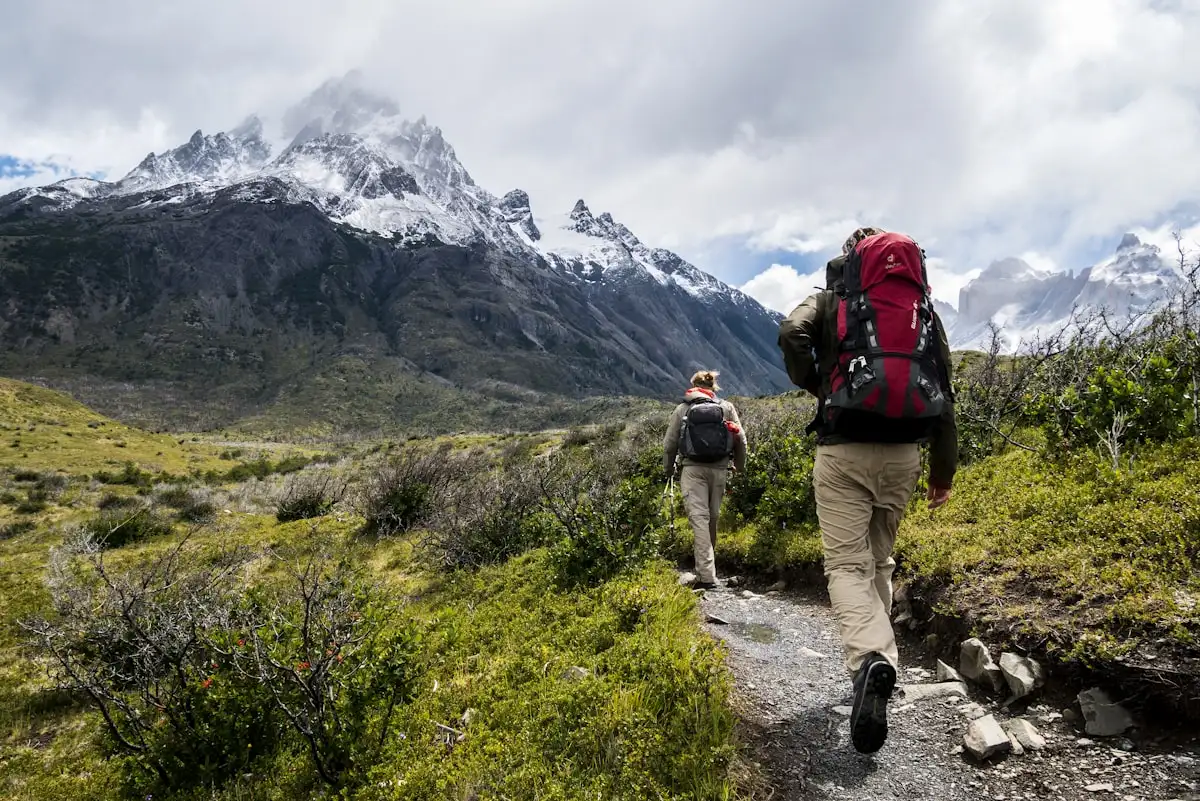
For footwear, ditch heavy full-leather mountaineering boots unless tackling technical glacier traverses. Lightweight trail running shoes dry fast, breathe easily, and handle rocky scrambles comfortably.
Electronics, First Aid, and Toiletries
Keep your electronic kit minimal. Carry a rugged 20,000mAh portable power bank, a universal world plug adapter, and reinforced USB-C charging cables.
Decant liquids into leakproof silicone squeeze bottles under three ounces. Pack solid shampoo bars and concentrated soap sheets to save space.
Frequently Asked Questions
How much should my fully loaded adventure backpack weigh?
Aim for your total pack weight to stay under twelve to fourteen kilograms (roughly twenty-five to thirty pounds), including water and electronics.
Why do experienced travelers prefer trail runners over hiking boots?
Trail runners are significantly lighter, reducing physical leg fatigue. They also dry within hours if submerged during river crossings, unlike heavy leather boots.
How do you wash clothes while traveling light for weeks?
Wash merino base layers in your hotel sink with liquid soap. Roll them inside a dry towel to speed up overnight air-drying.
Is a rain cover necessary if my backpack is water-resistant?
Yes. Water-resistant fabric eventually wets through during prolonged downpours. Carrying a lightweight sil-nylon rain cover or lining your pack with a contractor trash bag keeps gear bone dry.