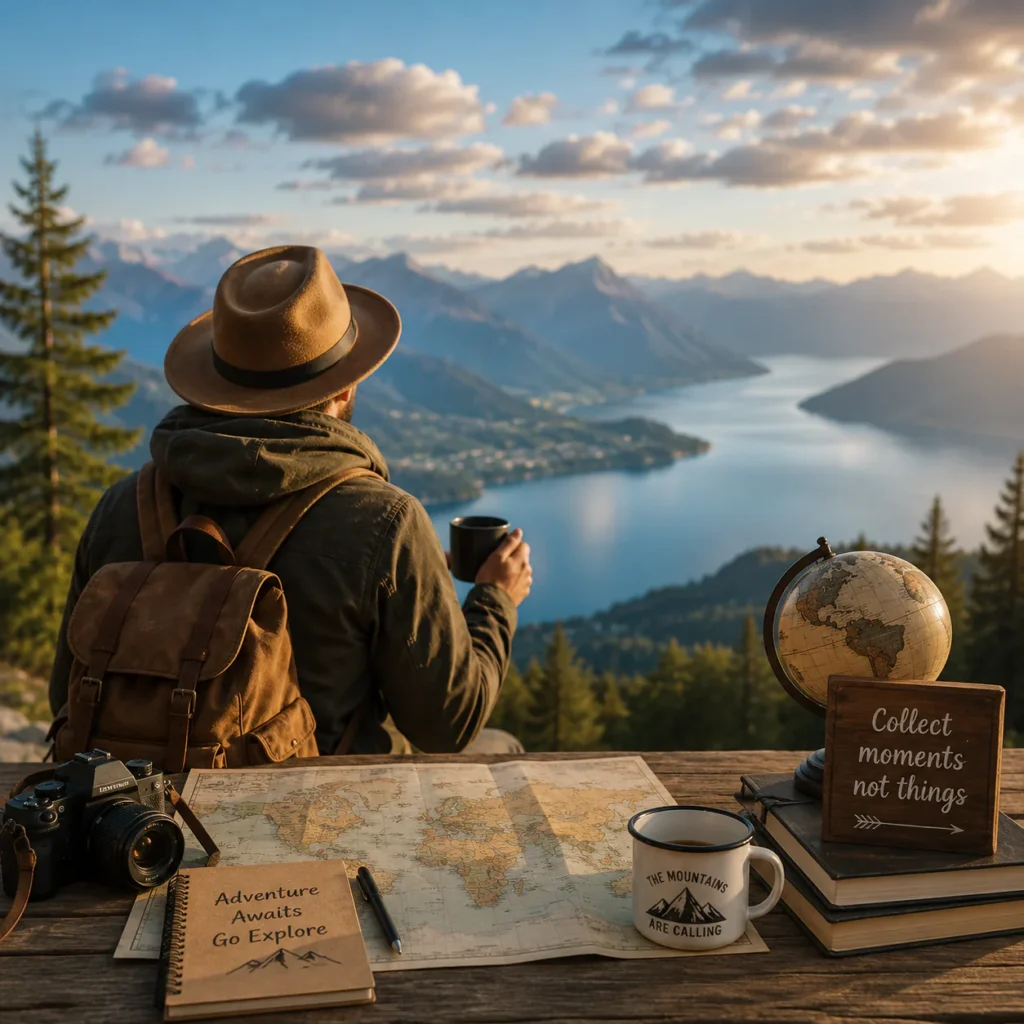

Choosing between venturing out alone or booking an organized group journey is one of travel’s most fundamental dilemmas.
Online forums often champion solo backpacking as the only path to authentic personal growth. Meanwhile, tour companies market group itineraries as effortless, stress-free escapes.
The truth is that both travel styles come with genuine trade-offs. Here is an honest comparison of solo and group travel to help you choose the right format.
The Realities of Solo Travel: Complete Independence and Quiet Moments
Solo travel delivers radical daily autonomy that few other experiences can match.
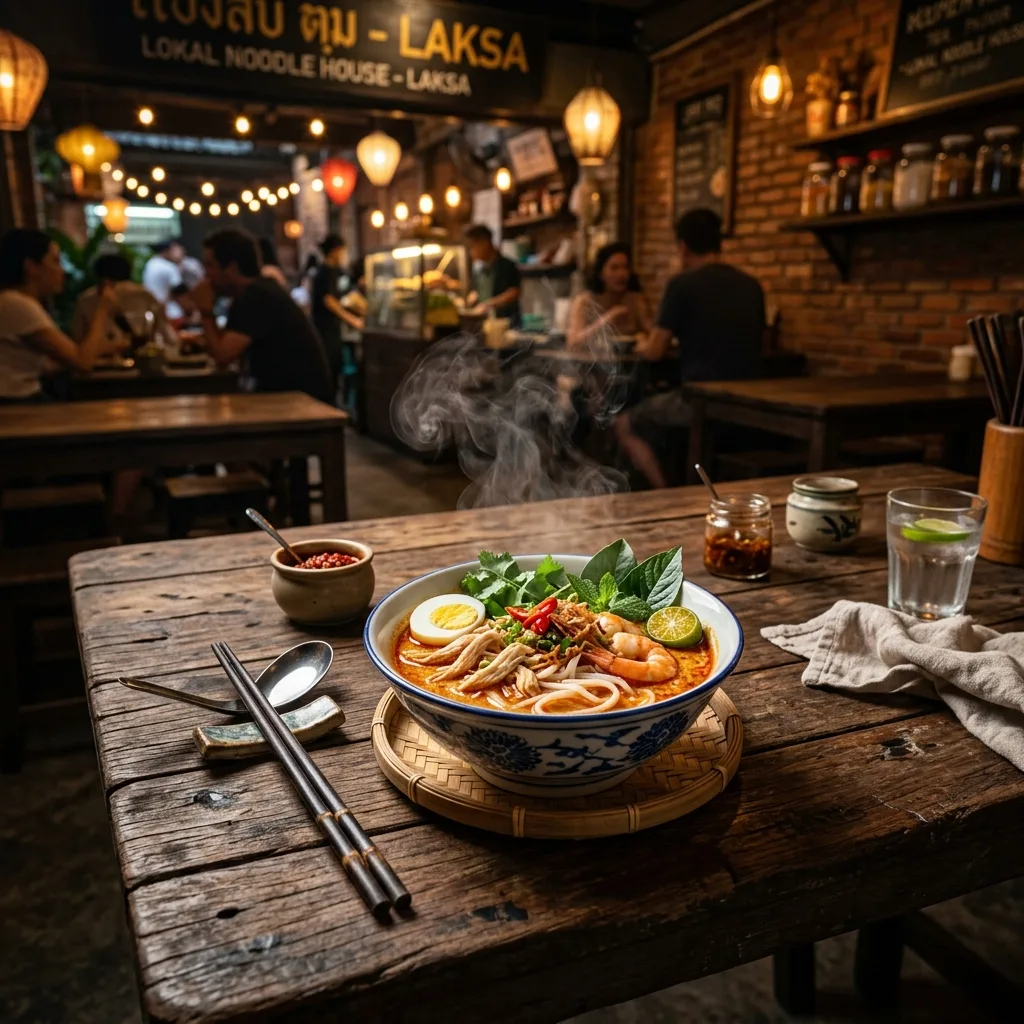
You wake up whenever you wish, eat when hunger strikes, and linger at museum exhibits without worrying about someone else’s boredom.
Traveling alone forces you outside your social bubble. You strike up conversations with hostel dorm mates, local shopkeepers, and fellow train travelers with natural ease.
What Most Blogs Leave Out About Traveling Alone
Solo journeys also come with mental exhaustion. Every single decision—from navigating subway connections to finding safe late-night dinner spots—falls entirely on you.
Eating meals alone in crowded restaurants can feel isolating. When you fall sick with food poisoning in a foreign hotel, there is no companion to fetch clean water or medicine.
The Realities of Group Travel: Shared Logistics and Compromise
Organized group travel eliminates the mental burden of daily travel administration.
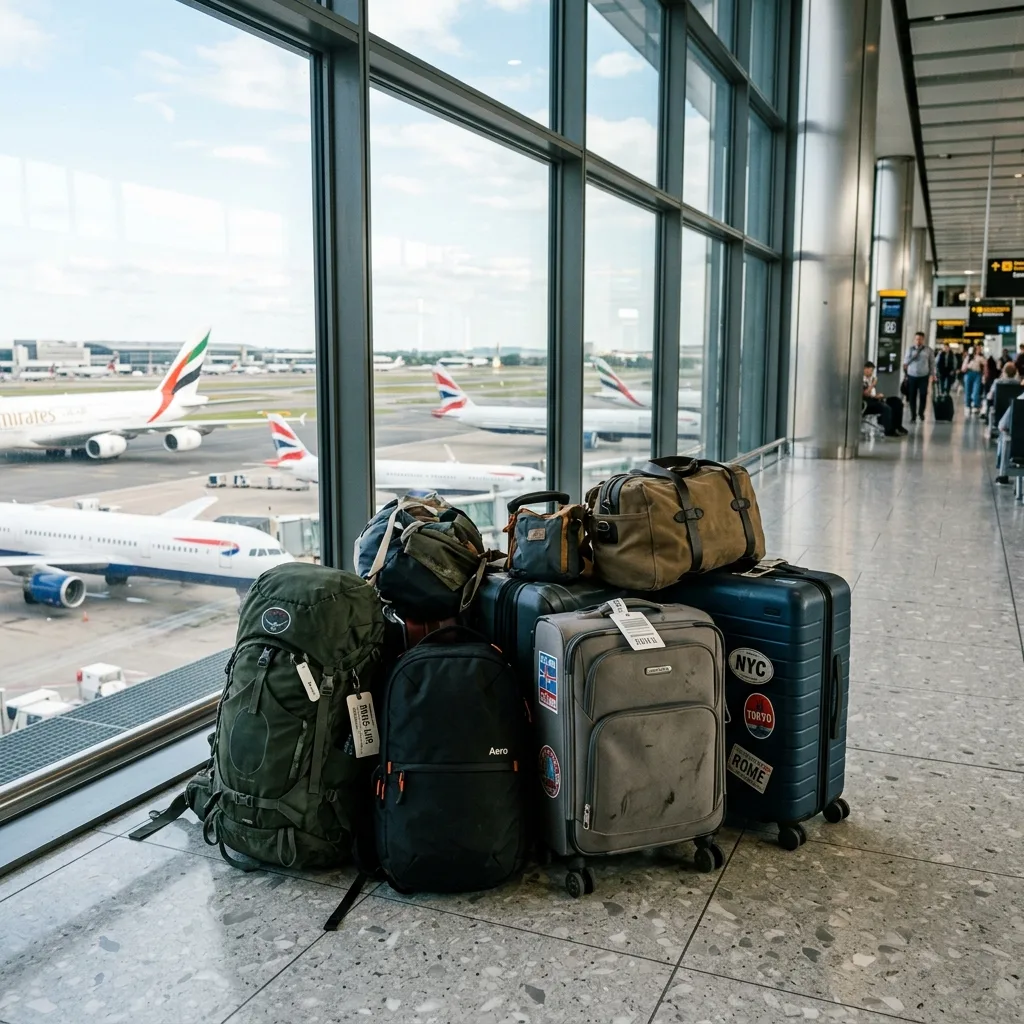
Transport logistics, hotel bookings, and tour admissions are resolved before you land. Professional tour leaders handle language barriers and solve unexpected transit strikes.
Shared experience multiplies joy. Reaching the crest of an Andean mountain pass or spotting wildlife on safari is uniquely powerful when shared with enthusiastic companions.
The Hidden Friction Points of Group Itineraries
The price of convenience is personal flexibility. Group tours operate on rigid morning schedules, leaving little room to wander off the prescribed path.
You cannot choose your tour companions. Personality clashes or complaining travelers can test your patience during long minibus rides across rural terrain.
Safety and Awareness: Solo vs. Group Travel
Many travelers assume solo travel is inherently dangerous. In reality, basic situational awareness keeps solo travelers just as secure as group participants.
Group travelers sometimes develop false senses of security, assuming safety in numbers protects against petty bag snatchers in crowded markets.
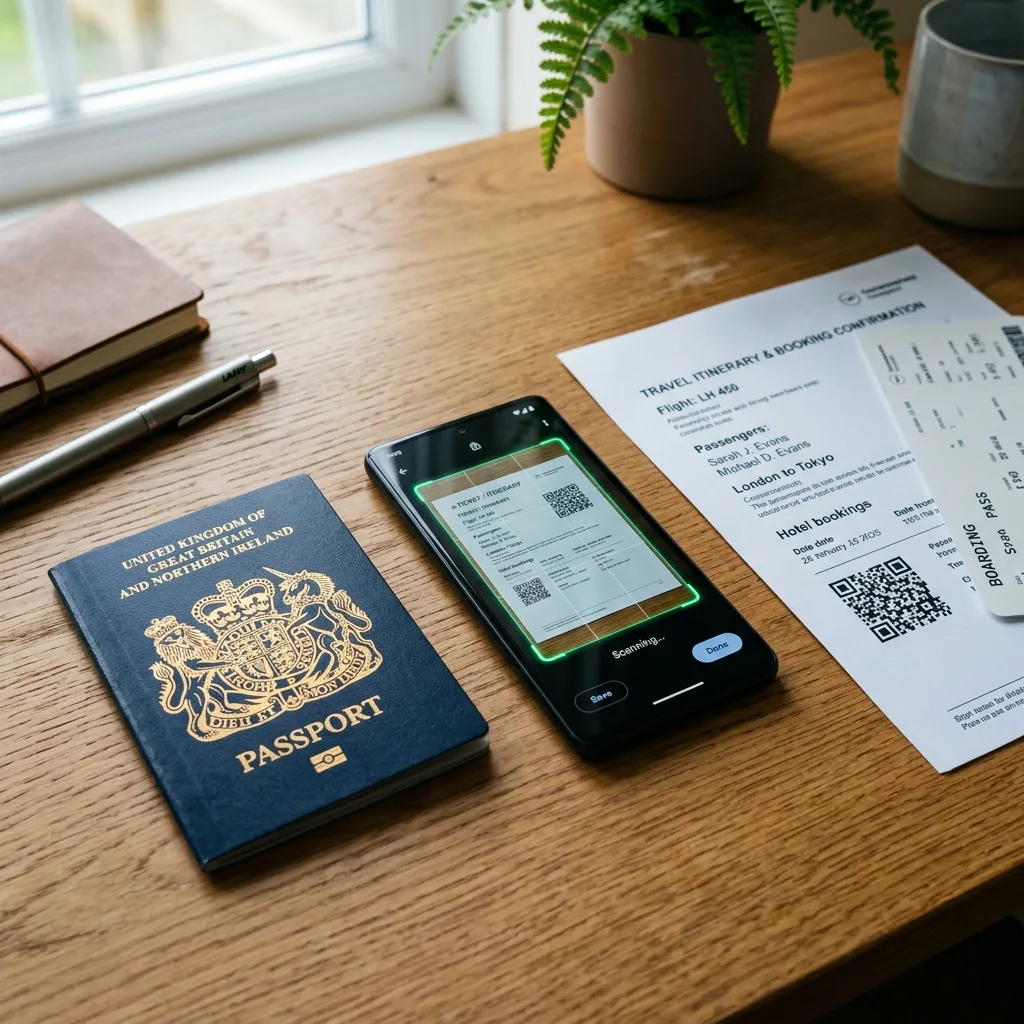
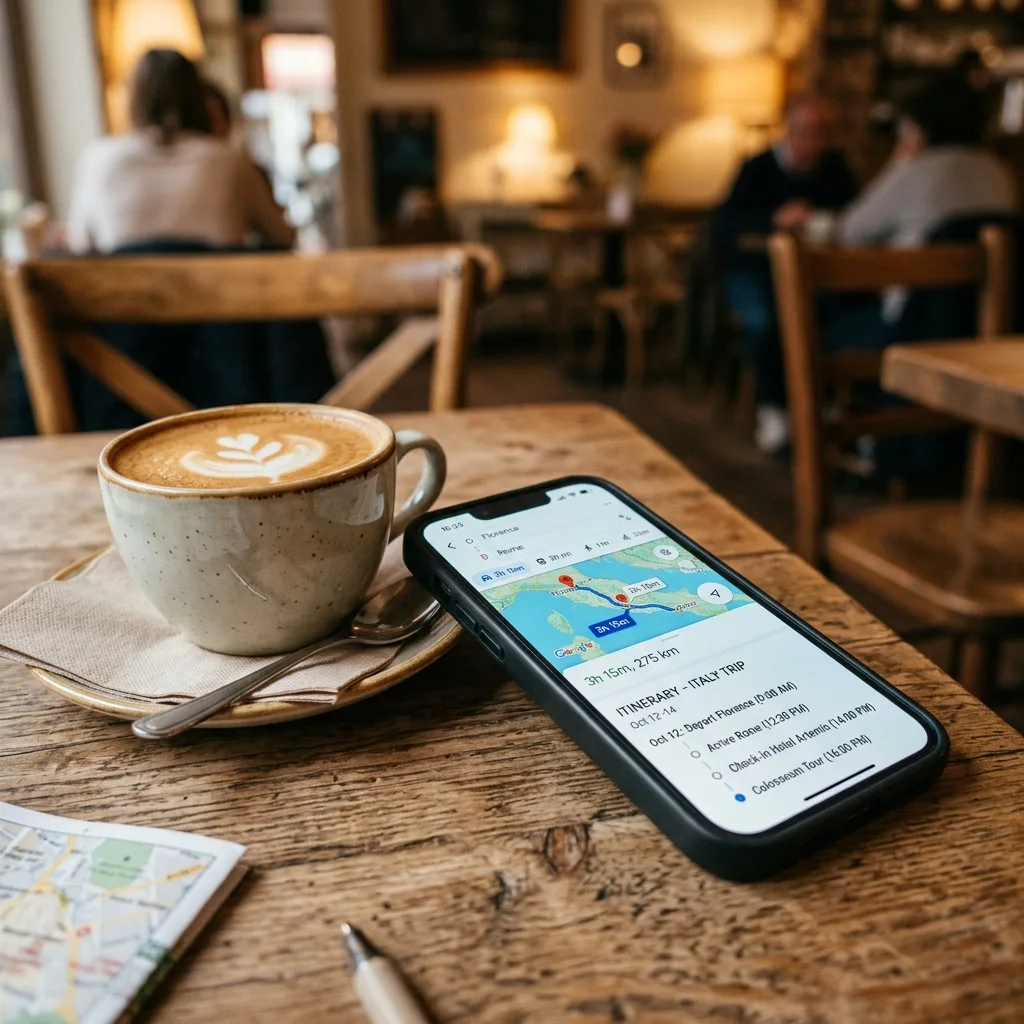
Regardless of format, keep physical copies of your passport, share digital itineraries with family back home, and carry a dependable portable power bank.
How to Decide Which Travel Format Fits Your Next Journey
Consider your current mental bandwidth before booking. If you are burned out from a demanding work schedule, an organized tour offers rejuvenating rest without planning stress.
If you crave personal reflection, deep flexibility, and personal growth, pack a single backpack and set out on your own.
Frequently Asked Questions
Is solo travel more expensive than group travel?
Solo travelers avoid paying tour operator overhead margins. However, they lack companions to split private hotel rooms, rental cars, and taxi fares.
How do solo travelers meet friends abroad?
Stay in boutique social hostels, join free city walking tours, participate in local cooking classes, or use verified meet-up platforms like Couchsurfing and Workaway.
What group size is ideal for an organized adventure tour?
Small-group tours with ten to twelve participants offer the ideal balance. They provide companionship without overwhelming local eateries or moving at sluggish paces.
Is solo travel suitable for introverts?
Yes. Many introverts thrive traveling solo because they can choose when to engage socially and when to retreat into quiet personal exploration.