

Traveling across Europe carries a reputation for being financially punishing. Between high-priced Paris bistros and soaring hotel rates in Amsterdam, costs escalate rapidly.
Yet Europe remains one of the world’s most accessible backpacking continents. A rich public transit network, regional price disparities, and municipal markets allow for exceptional budget travel.
Here is how to travel Europe on a grounded daily budget without sacrificing comfort or skipping historic landmarks.
Choosing Regions Where Your Currency Stretches Further
The simplest way to lower your trip cost is shifting your geographic focus eastward.

While London and Zurich easily consume one hundred fifty dollars daily, countries like Poland, Hungary, and Albania offer identical European grandeur for under forty-five dollars.
Secondary cities also offer superior value. Instead of paying peak prices in Munich or Venice, explore historic gems like Leipzig, Bologna, or Wroclaw.
Transit Strategies: Trains, Buses, and Budget Flights
Getting between European destinations is where many first-time travelers drain their funds needlessly.
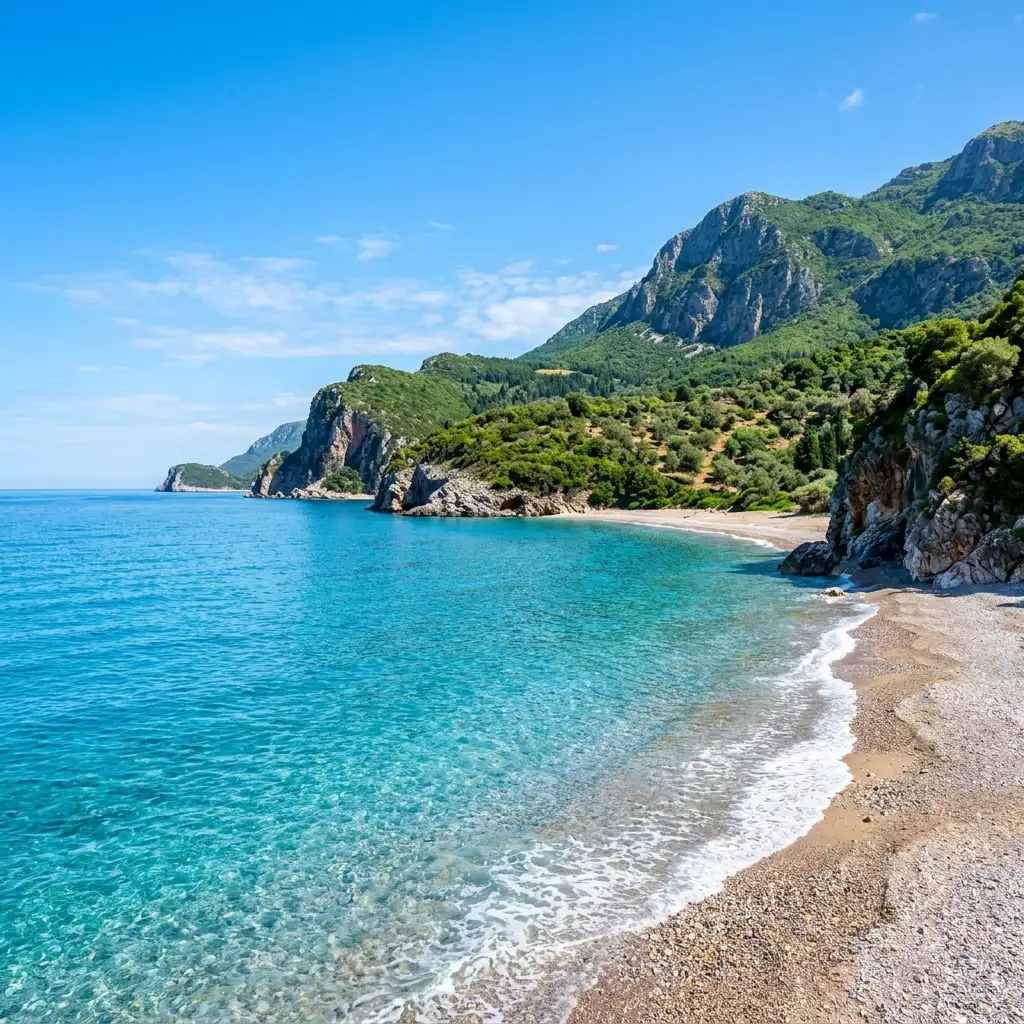
FlixBus: Long-distance coach buses connect thousands of cities across Europe. Fares regularly start at under ten euros when booked a few weeks ahead.
Interrail and Eurail: Rail passes provide romantic flexibility, but point-to-point train tickets booked early are almost always cheaper for short itineraries.
Book national rail tickets directly on official carrier sites like SNCF, Deutsche Bahn, or Trenitalia rather than third-party ticketing agencies that tack on service fees.
Affordable Lodging Without Noisy Dormitory Chaos
Modern European budget lodging has moved far beyond noisy forty-bed youth hostels.

Boutique hostels offer private en-suite double rooms for significantly less than mid-tier hotels. You get peaceful sleep while enjoying communal guest kitchens and free walking tours.
For stays longer than four nights, rent an apartment in residential neighborhoods. Having access to an espresso maker and stovetop cuts breakfast costs immediately.
Authentic European Dining on a Realistic Budget
Eating well in Europe does not require Michelin-starred dining bills.
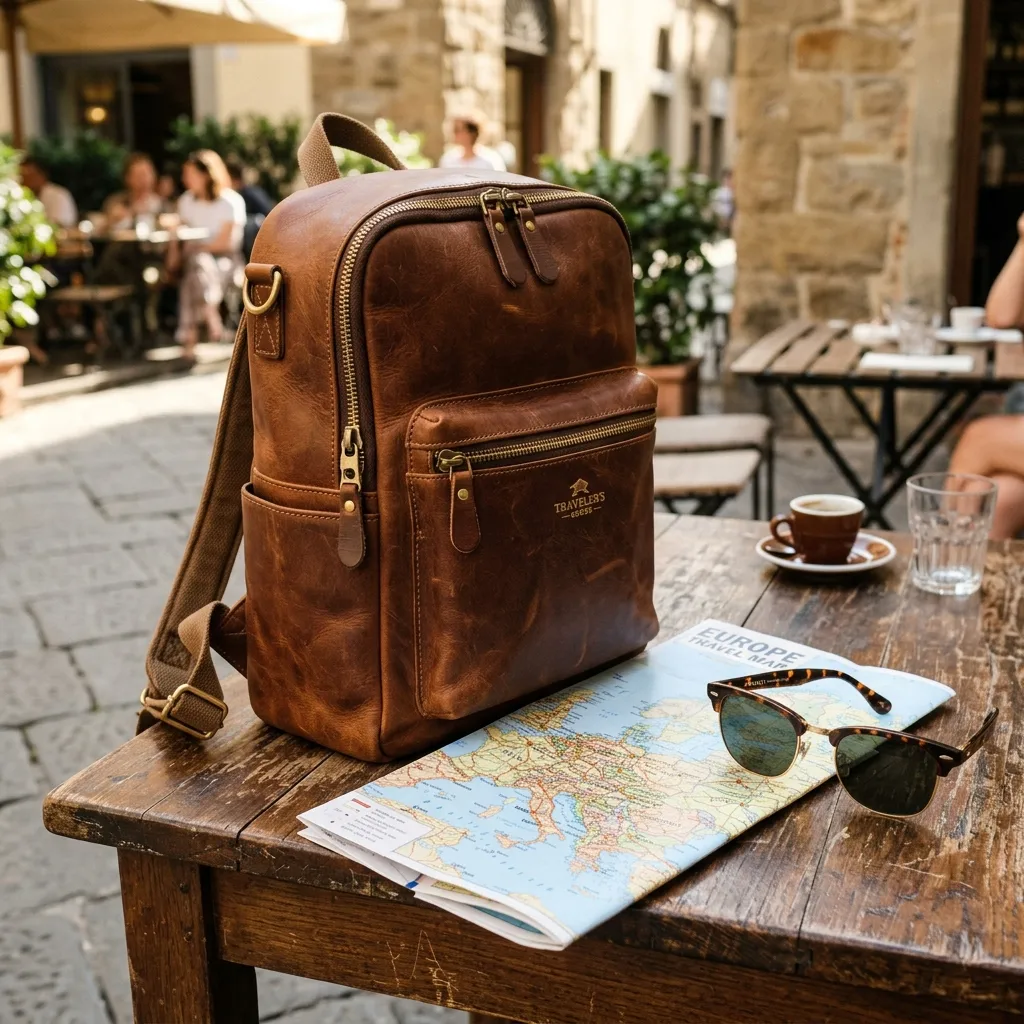
Embrace the European park picnic tradition. Stop at neighborhood bakeries, cheese shops, and fruit markets to assemble fresh lunches for under six euros.
Look for daily fixed-price lunch menus (menu del dia in Spain or formule midi in France). These three-course meals offer authentic seasonal dining for half the evening price.
Frequently Asked Questions
Is an Interrail or Eurail pass worth the investment?
Rail passes are worthwhile if you plan frequent, spontaneous long-distance journeys across expensive countries. For planned itineraries, individual advance tickets are cheaper.
How much should I budget per day for budget travel in Europe?
Budget forty to fifty dollars daily in Eastern Europe. Plan for eighty to one hundred dollars in Western Europe for lodging, food, and transit.
Are budget airline tickets truly cheaper once luggage is added?
Not always. Adding carry-on bags and airport transfers from remote airports often raises the total price above a direct city-center train journey.
What is the most affordable way to see major museums in Europe?
Check museum schedules for free admission days. Many world-class institutions like the Louvre and Prado offer free entry on select evenings or the first Sunday of each month.