

Western European getaways grow more expensive each year. Between surging hotel rates in Paris and packed tourist corridors in Rome, exploring Europe can quickly drain savings.
Yet genuine bargains still exist across Central and Eastern Europe. In these five overlooked destinations, you can wander cobblestone plazas, hike pristine alpine peaks, and sip local wine without financial stress.
Here are five exceptional European destinations where daily living costs remain surprisingly low, backed by realistic daily budget breakdowns.
5 Affordable European Destinations Worth Exploring
1. Albania: Turquoise Coastlines and Mountain Citadels
Albania remains one of the Mediterranean basin’s most astonishing bargains. While travelers pay hundreds per night on Greek islands, the Albanian Riviera offers identical turquoise waters for a fraction of the cost.
A daily budget of $30 to $45 covers seaside guesthouses, public bus transit, and fresh seafood lunches. Coastal towns like Saranda and Ksamil shine brightest during June and September.
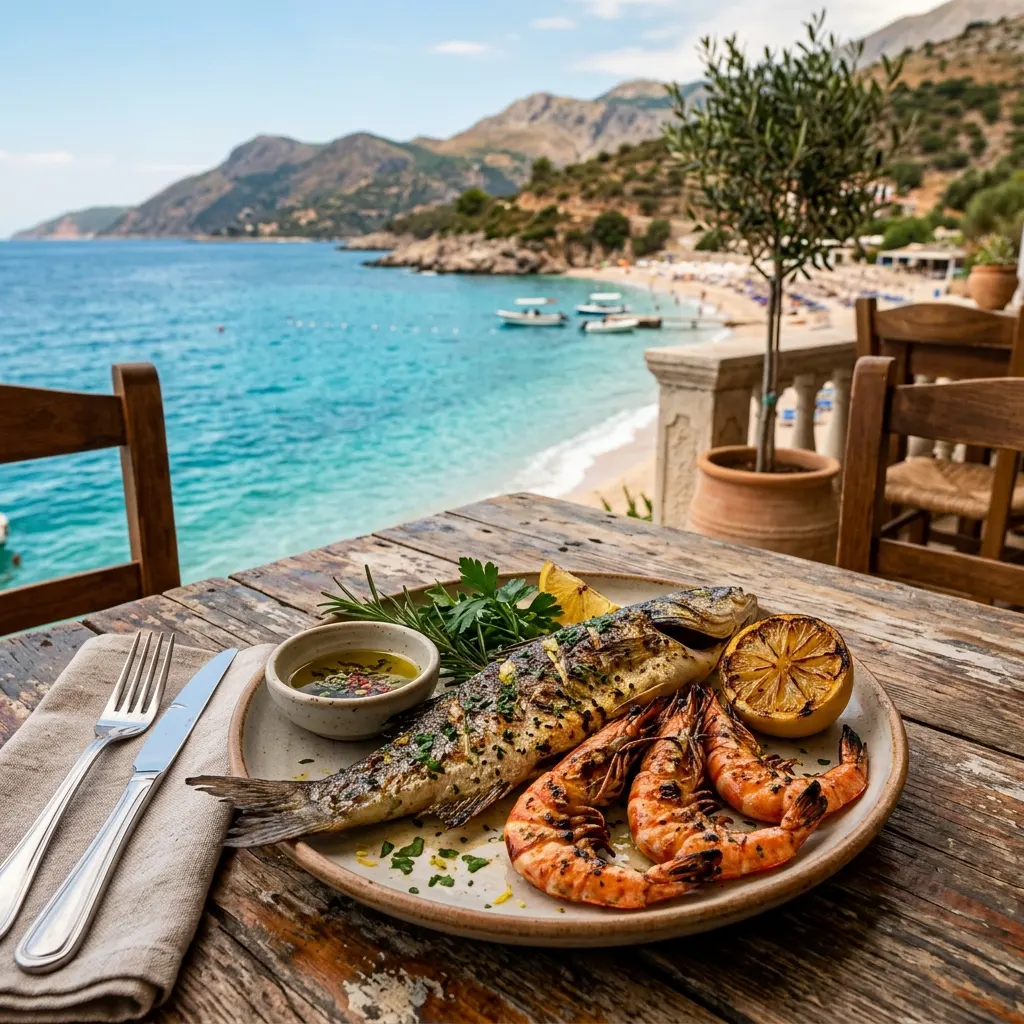
Do not stay only at the beach. Head inland to Gjirokaster and Berat, two UNESCO-listed Ottoman towns featuring stone houses and hilltop fortresses.
Public minibuses called furgons connect towns reliably for a few euros. Carry local currency (Albanian Lek), as card machines remain scarce outside luxury hotels.
2. Bulgaria: High Alpine Trails and Inexpensive Coastal Escapes
Bulgaria consistently ranks among the most budget-friendly member states in the European Union. Backpackers manage comfortably on $30 to $42 per day.
The capital, Sofia, blends ancient Roman ruins with vibrant coffee culture and free city walking tours. Historic guesthouses and boutique dorms rarely exceed $15 per night.
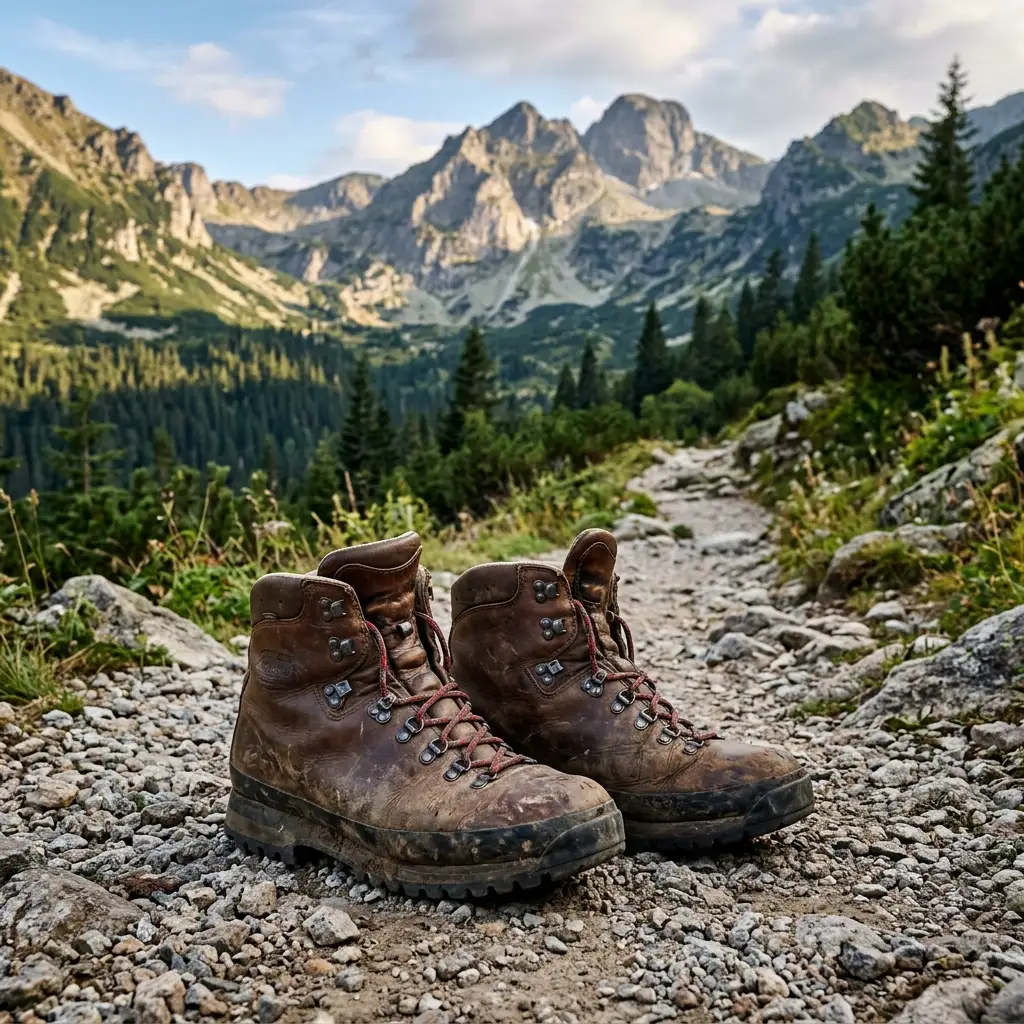
Outdoor enthusiasts should head straight for the Rila and Pirin mountain ranges. Glacial cirques and alpine ridge walks rival Swiss scenery at rock-bottom prices.
Mountain huts scattered along major trekking routes offer hot stews and rustic dormitory bunks for under $12. In winter, resort towns like Bansko offer some of the cheapest ski passes in Europe.
3. Krakow, Poland: Rich Heritage and Subsidized Milk Bars
Poland combines modern infrastructure with remarkable value, and Krakow stands as its cultural gem. Independent travelers can spend between $35 and $50 daily while living extremely well.
The pedestrianized Main Square and historic Jewish Quarter of Kazimierz are easily walkable. This saves you from spending money on urban transit.
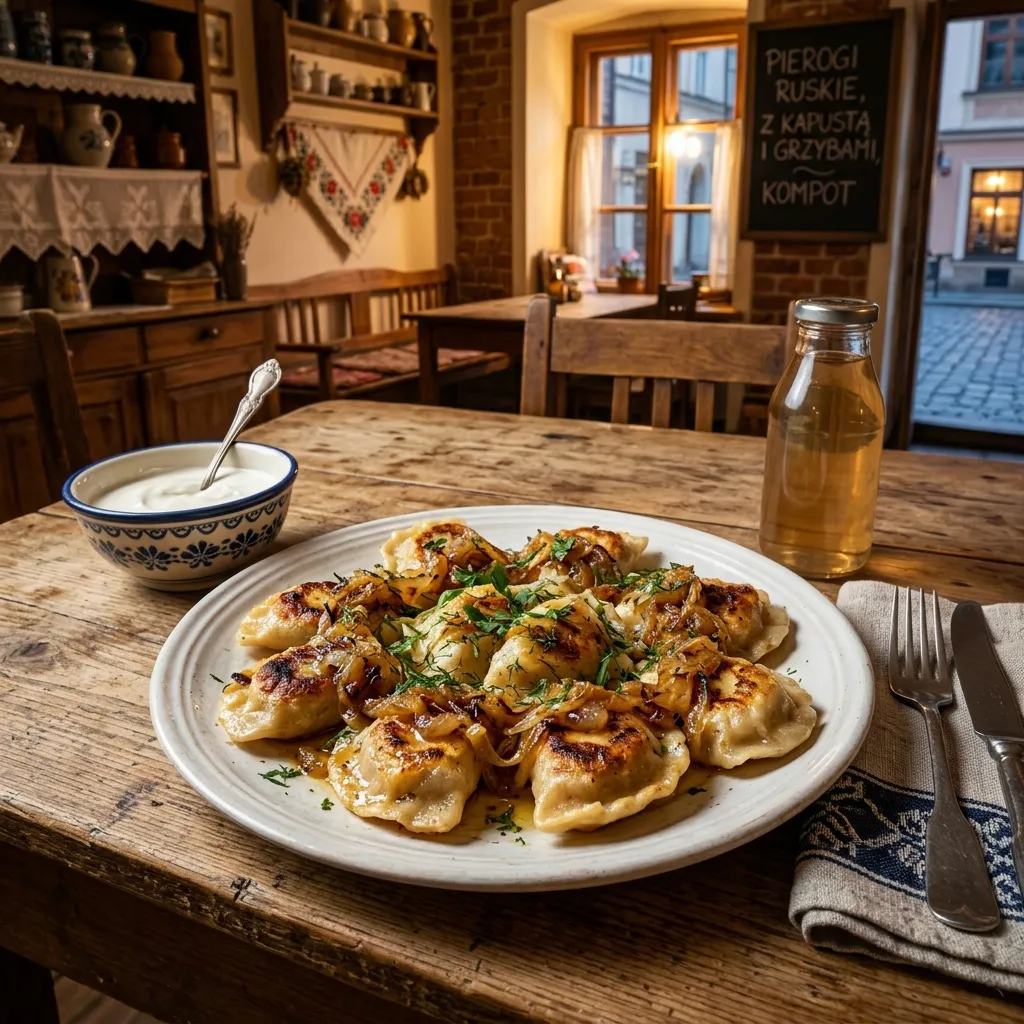
Krakow has a fantastic culinary tradition: the bar mleczny (milk bar). These subsidized cafeterias date back to the communist era and serve hot, homemade Polish comfort food.
A plate of ten freshly boiled potato pierogi, beetroot barszcz soup, and compote drink costs under $4. It remains the best dining value in Central Europe.
4. Bosnia and Herzegovina: Dramatic Canyons and Historic Stone Bridges
Bosnia and Herzegovina provides an authentic, raw travel experience that feels worlds away from crowded western tourist hubs. Daily expenditures range from $28 to $40.
Sarajevo is one of Europe’s most intriguing capitals. Ottoman mosques, Catholic cathedrals, and Orthodox churches share the same city block.
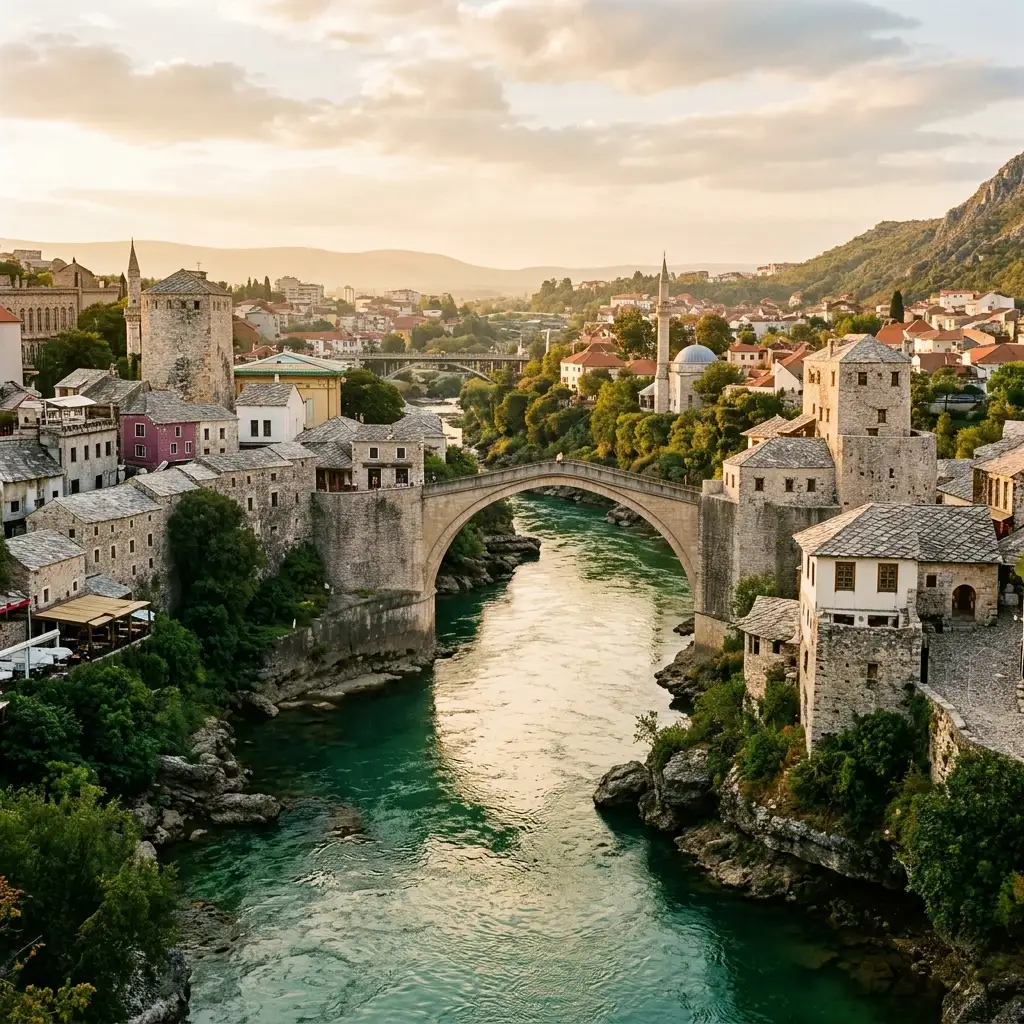
Taking the scenic passenger train from Sarajevo to Mostar costs about $6. The route carves through the Neretva river canyon with soaring limestone cliffs on either side.
In Mostar, watch local divers plunge off the famous Stari Most bridge. Grab a plate of grilled cevapi sausages wrapped in warm somun bread for just $3.
5. Hungary Beyond Budapest: Historic Towns and Steaming Mineral Spas
While central Budapest has seen rising prices, smart travelers can still navigate Hungary on $35 to $48 daily. Venturing into regional towns unlocks even deeper savings.
Budapest boasts historic public thermal spas. Visiting Széchenyi or Rudas baths lets you soak in grand neo-baroque pools for around twenty euros.
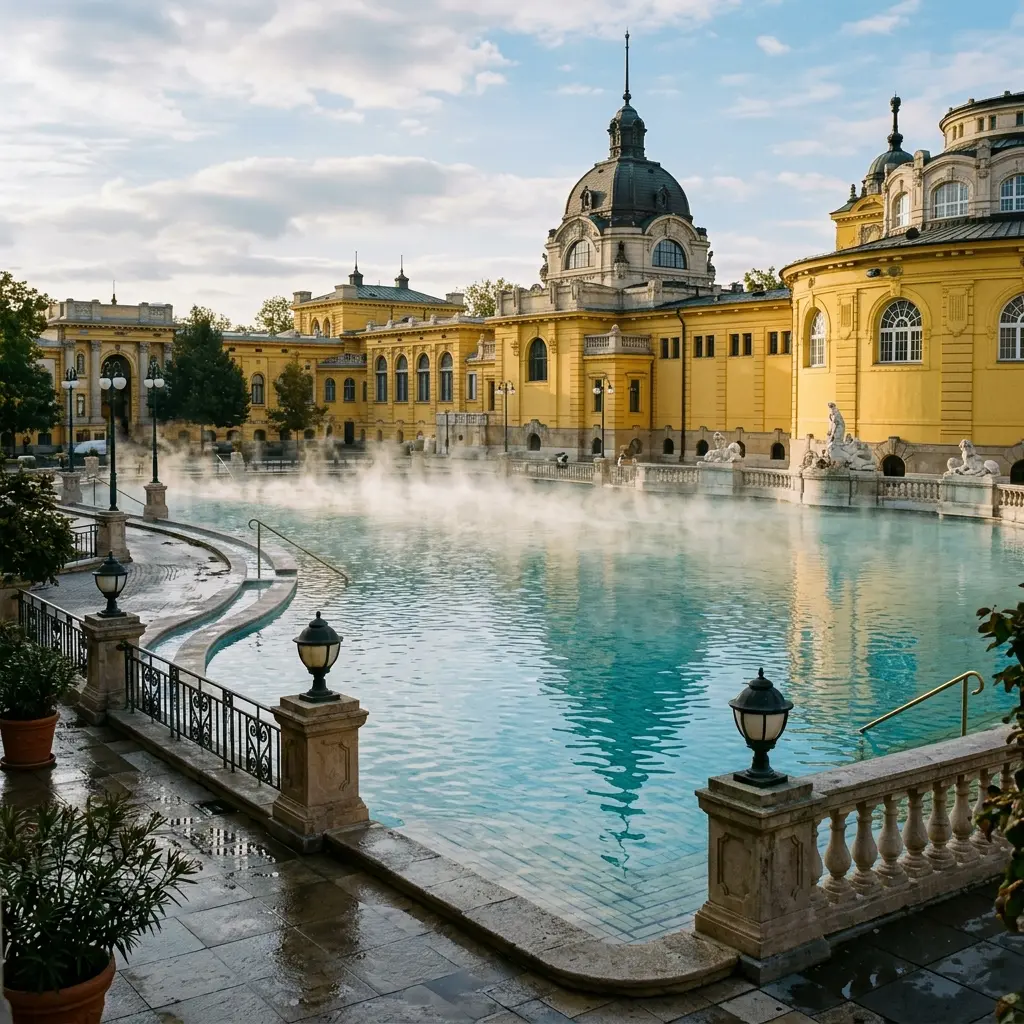
For wine and castle touring, take a two-hour regional train north to Eger. Wine cellars in the Valley of the Beautiful Women pour glasses of Egri Bikavér for roughly $1.50.
Private apartments in Eger cost around $25 per night. It offers a relaxed taste of Central European romance without tourist crowds.
Realistic Daily Budget Comparison Across Central & Eastern Europe
Here is what an independent traveler will actually spend per day across these five countries:
- Albania: $30 to $45 daily. Coastal guesthouses cost $15 to $28, fresh seafood meals $7 to $12, and regional buses $3 to $7.
- Bulgaria: $30 to $42 daily. Dorms run $10 to $16, mountain huts $8 to $14, and three-course taverna dinners $8 to $12.
- Poland (Krakow): $35 to $50 daily. Boutique hostels run $14 to $22, milk bar lunches $3 to $5, and museum entries $5 to $8.
- Bosnia and Herzegovina: $28 to $40 daily. Family homestays run $12 to $22, cevapi dinners $3 to $5, and scenic intercity trains $5 to $8.
- Hungary: $35 to $48 daily. Regional guest suites cost $20 to $30, daily thermal spa tickets $18 to $24, and hearty goulash plates $5 to $8.
Frequently Asked Questions
Which European country is the most affordable to travel in right now?
Albania and Bosnia and Herzegovina offer the lowest daily costs. A traveler can manage comfortably on under thirty-five dollars daily including food, lodging, and local transit.
Is Eastern Europe safe for solo backpackers?
Yes. Violent crime rates across Central and Eastern European destinations are remarkably low. Exercising standard urban awareness around busy bus stations is all that is required.
How should I handle money and payments in the Balkans?
Cash remains king across Albania, Bosnia, and rural Bulgaria. Always carry small banknotes in local currencies, and decline ATM dynamic conversion prompts to save on bank fees.
Can I travel across these destinations using public trains and buses?
Yes. Poland and Hungary feature modern railway systems, while Albania and Bosnia rely on reliable regional buses and canyon passenger lines.