
Travelers increasingly seek authentic outdoor immersion over passive resort holidays. Yet marketing brochures frequently overpromise, labeling mundane bus tours as extreme expeditions.
A true adventure travel destination delivers genuine physical challenge, remote landscapes, and direct contact with nature.
Here is an honest breakdown of the world’s premier adventure destinations, categorized by experience style so you can choose the right expedition.
Remote Polar Wilderness: Antarctica and Alaska
Polar regions offer a scale of isolation that resets human perspective completely.
Antarctica remains the ultimate wilderness frontier. Navigating icy channels aboard expedition vessels places you alongside breaching humpback whales, massive tabular icebergs, and chinstrap penguin colonies.
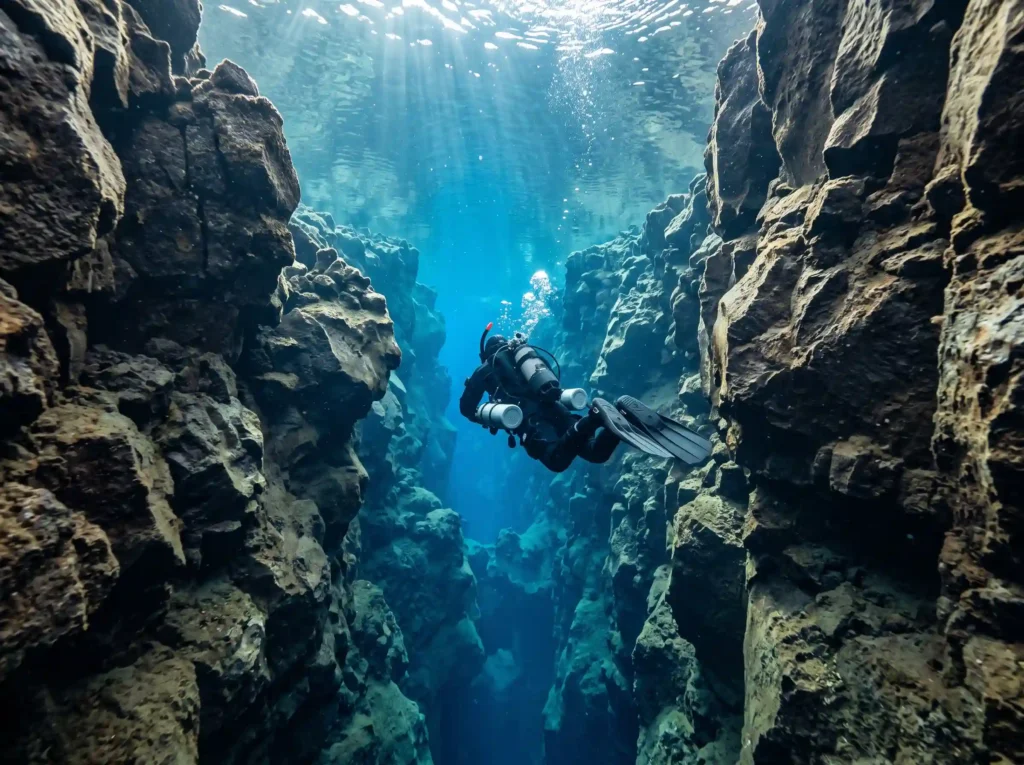
In the north, Alaska provides road-accessible arctic backcountry. Whitewater rafting the Nenana River, glacier hiking in Wrangell-St. Elias, and sea kayaking Kenai Fjords offer world-class wilderness without crossing oceans.
High-Adrenaline Landscapes: Costa Rica and Bolivia
For fast-paced adventure sports, tropical rainforests and high-altitude deserts provide ideal natural arenas.
Costa Rica pioneered commercial eco-adventure. You can raft Class IV rapids down the Pacuare River, zip-line above cloud forest canopies in Monteverde, and surf Pacific point breaks in one trip.
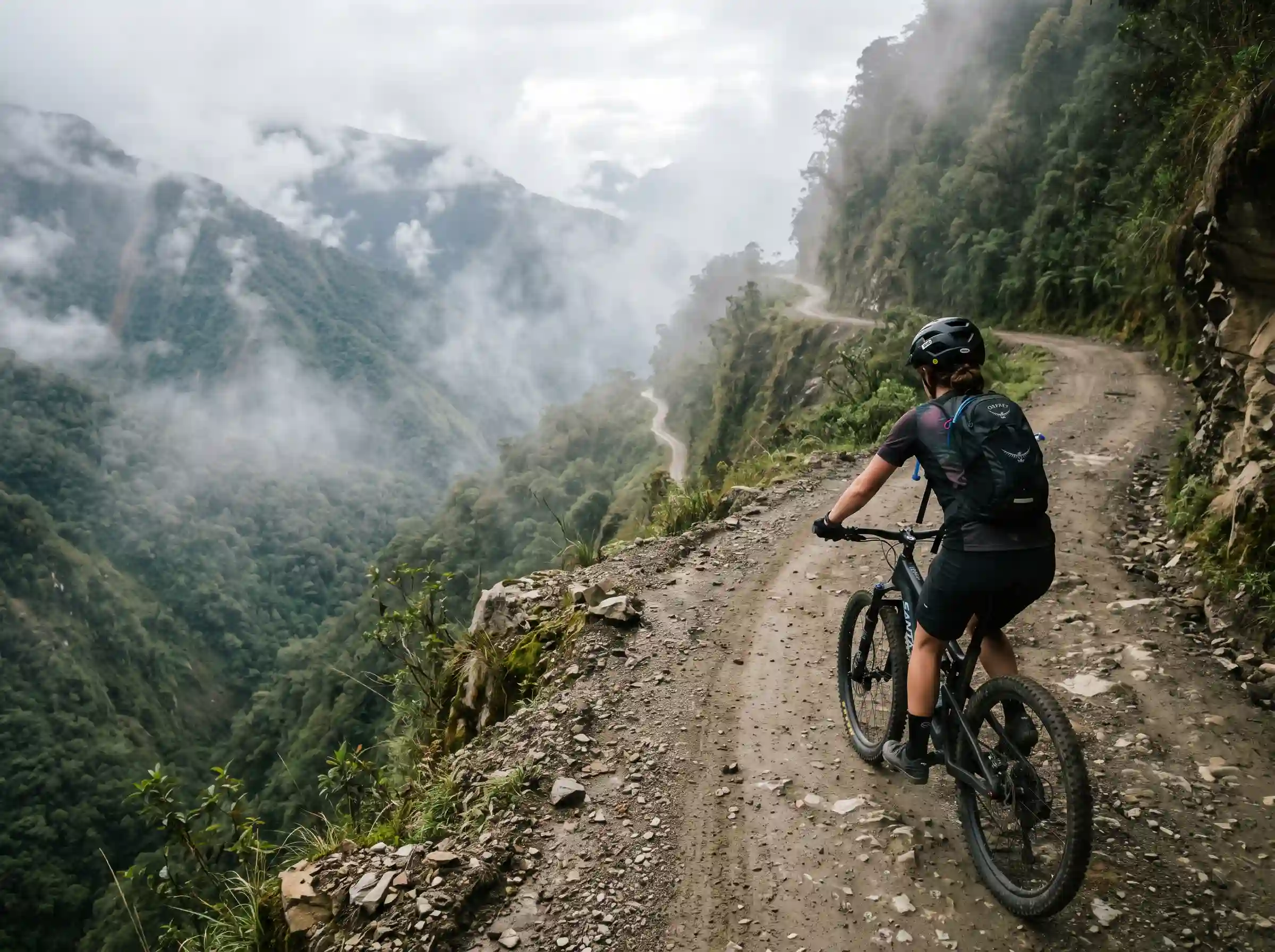
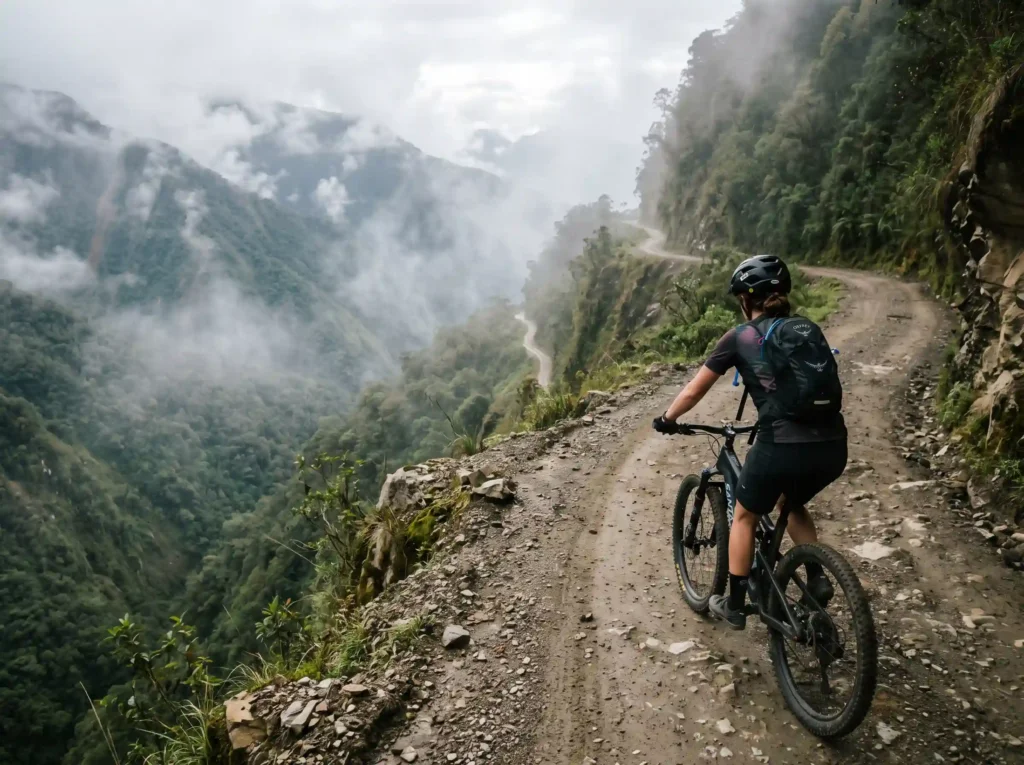
In Bolivia, mountain bikers descend the infamous North Yungas Road, dropping 3,500 vertical meters from freezing Andean passes into subtropical jungle in a single afternoon.
Trekking and High-Altitude Extremes: Nepal and Patagonia
For hikers who measure trips by vertical meters and trail miles, two global regions stand above the rest.
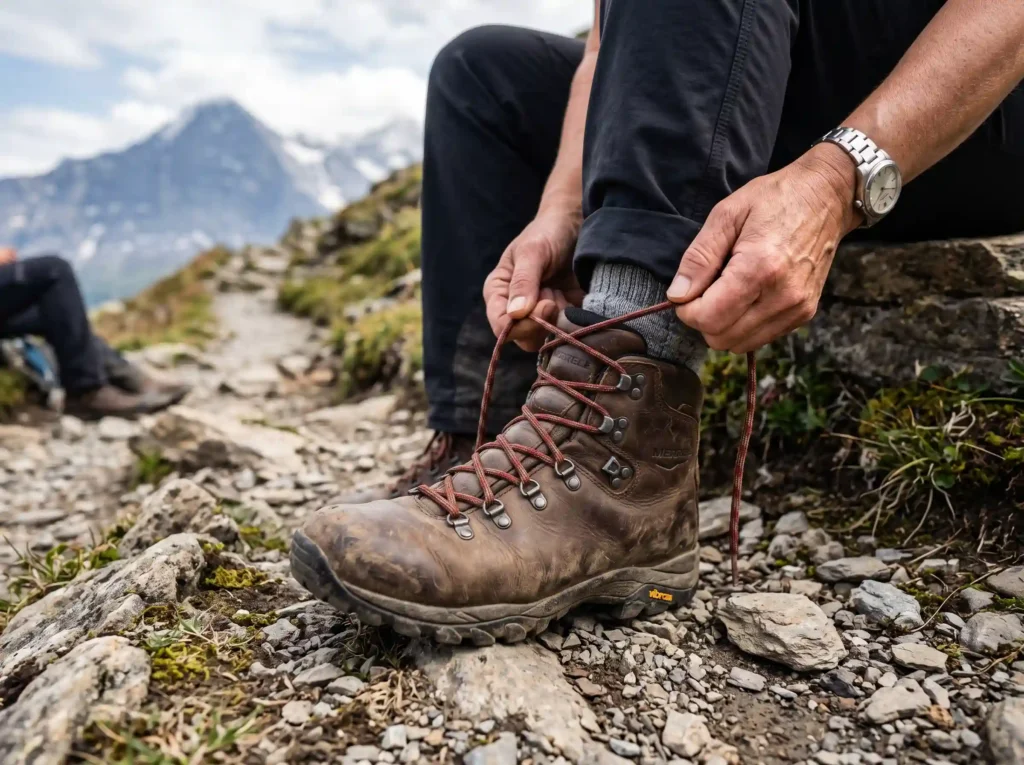
Nepal hosts eight of the world’s fourteen highest peaks. Treks through the Annapurna Sanctuary or Khumbu Valley test human cardiovascular endurance while immersing hikers in Sherpa mountain hospitality.
Patagonia, split between Chile and Argentina, provides ferocious winds and sharp granite towers. Hiking the W Trek in Torres del Paine or scrambling to Laguna de los Tres in El Chalten rewards hikers with unforgettable glacial panoramas.
Wildlife Tracking Safaris: Uganda and South Africa
Tracking large animals on foot in their native territory is an unforgettable thrill.
In Uganda’s Bwindi Impenetrable National Park, trackers hike through dense tangled rainforest to sit yards away from wild mountain gorilla families.
In South Africa, walking safaris in Greater Kruger teach you how to read animal tracks and respect the boundaries of big cats and elephants.
How to Match Your Travel Fitness to the Right Destination
Be completely honest about your physical conditioning before reserving technical trips. Matching trip demands with your stamina prevents injury and disappointment.
Soft adventure destinations like Costa Rica allow flexible pacing. In contrast, multi-day treks in Nepal or Bolivia demand serious months of cardiovascular pre-training.
Frequently Asked Questions
What is the best month to book an Antarctic expedition cruise?
The Antarctic travel season runs from November to March. December and January offer the warmest temperatures, twenty hours of daylight, and active penguin hatching.
Is mountain biking Bolivia’s Death Road safe for average cyclists?
Reputable outfitters provide full-suspension bikes, safety gear, and support vans. However, steep cliffs and loose gravel demand focused attention and confident braking skills.
How difficult is mountain gorilla tracking in Uganda?
Tracking can take anywhere from two to seven hours through steep muddy jungle without marked trails. A moderate level of endurance is required.
What physical training is recommended before trekking in Patagonia?
Focus on stair climbing, weighted backpack walks, and core strengthening exercises. Conditioning your knees and calves handles long downhill rocky descents safely.