
The world’s most breathtaking wilderness treks require more than physical endurance. They require strict calendar discipline and advance booking.
Because these delicate alpine environments and historic trails enforce strict daily visitor quotas, huts and trekking permits routinely sell out months ahead.
Here are five iconic long-distance hikes that justify planning a full year in advance, detailing reservation windows, physical demands, and trail realities.
5 Epic Global Hikes That Demand Early Planning
1. Tour du Mont Blanc, France, Italy, and Switzerland
Circumnavigating the Mont Blanc massif covers one hundred seventy kilometers through France, Italy, and Switzerland. You tackle ten thousand vertical meters across dramatic alpine cols.
Mountain refuges open their reservation books in October and November for the following summer season. High-altitude refugios along key trail passes fill up fast.
If you wait until spring to book, you will find entire valley sections fully occupied, forcing awkward route detours.
2. The Classic Inca Trail to Machu Picchu, Peru
Winding through the Peruvian Andes, the Inca Trail spans forty-five kilometers of historic Inca stonework. You climb through high Andean passes before descending into misty cloud forest.
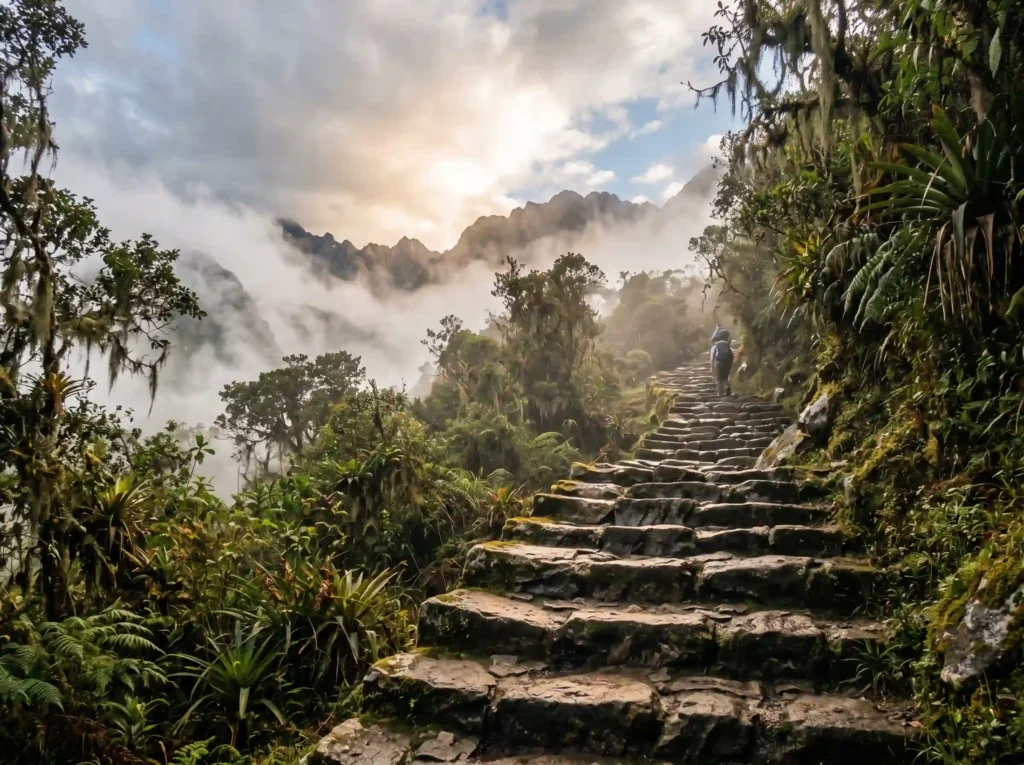
The Peruvian government restricts access to five hundred total permits per day. Only about two hundred of those permits go to trekking tourists, with the rest reserved for guides and porters.
Permits for the prime dry season between May and September regularly sell out within hours of release each November.
3. The Laugavegur Trail, Iceland
The Laugavegur Trail covers fifty-five kilometers across Iceland’s southern Highlands. It winds through rainbow-hued rhyolite mountains, geothermal vents, and black volcanic plains.
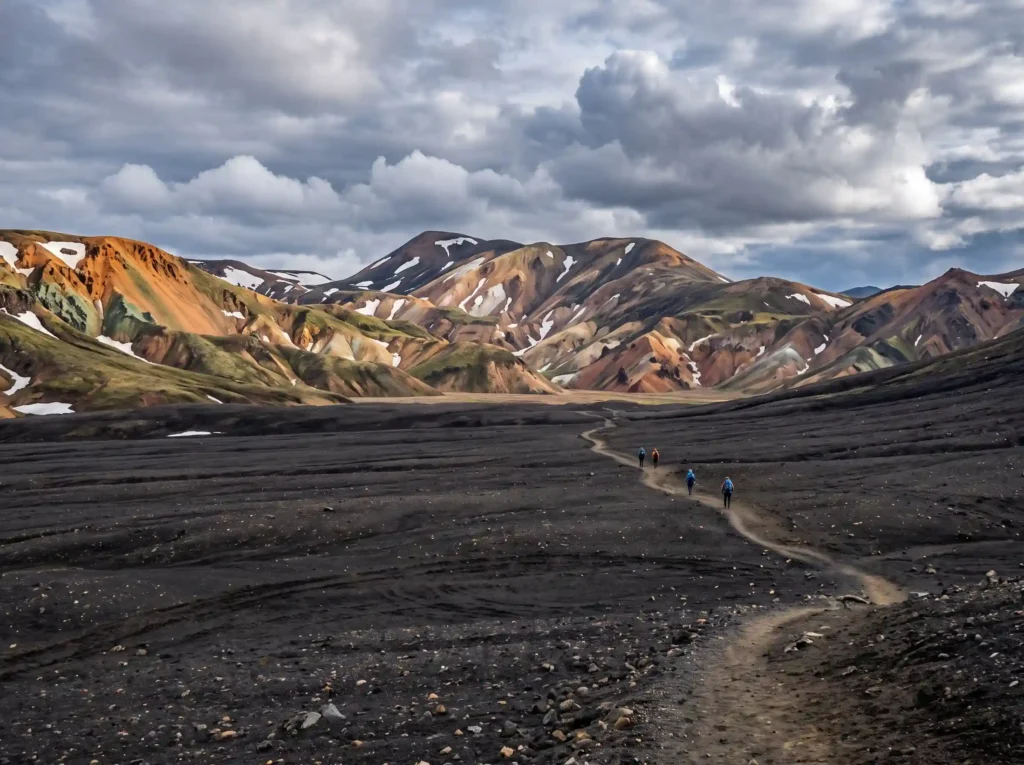
The hiking season lasts merely nine weeks, running from late June through late August. Mountain huts managed by Ferðafélag Íslands feature limited dorm bunks that book out nearly a year ahead.
Unforgiving North Atlantic storms arrive without warning. Hikers must carry dependable waterproof gear and prepare for icy glacial river fords.
4. The W-Trek in Torres del Paine, Chile
Located in southern Chilean Patagonia, the seventy-six-kilometer W-Trek winds beneath the granite horns of the Paine massif and alongside roaring blue glaciers.
Campsites and mountain refugios are managed by two separate private companies alongside the national park system. You must coordinate bookings across all operators simultaneously.
Reservations for the southern summer opening between December and February must be secured by June or July to assemble a workable itinerary.
5. The Milford Track, Fiordland, New Zealand
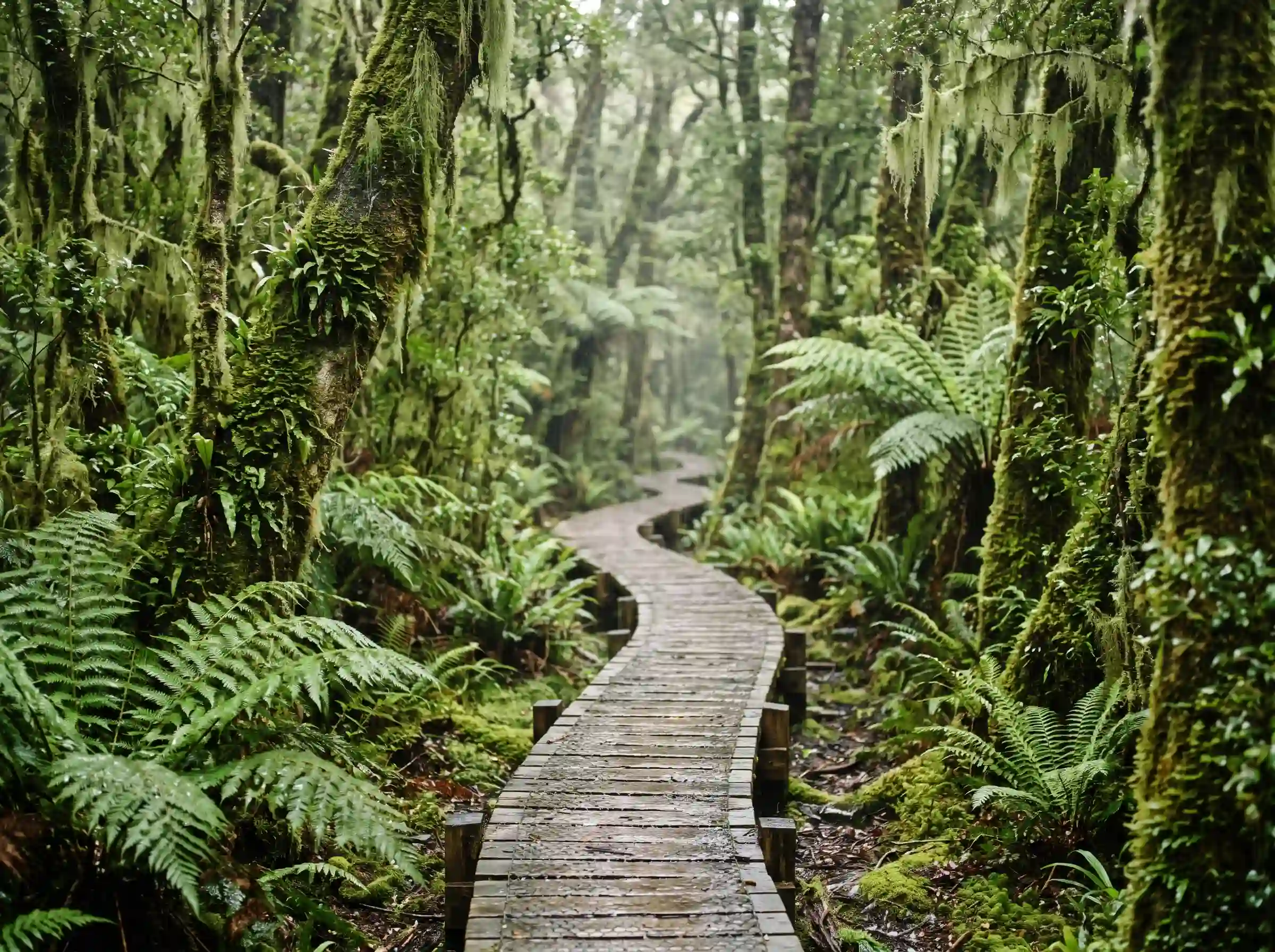
Cutting through Fiordland National Park, the Milford Track covers fifty-three kilometers of glacier-carved valleys and cascading temperate rainforest.
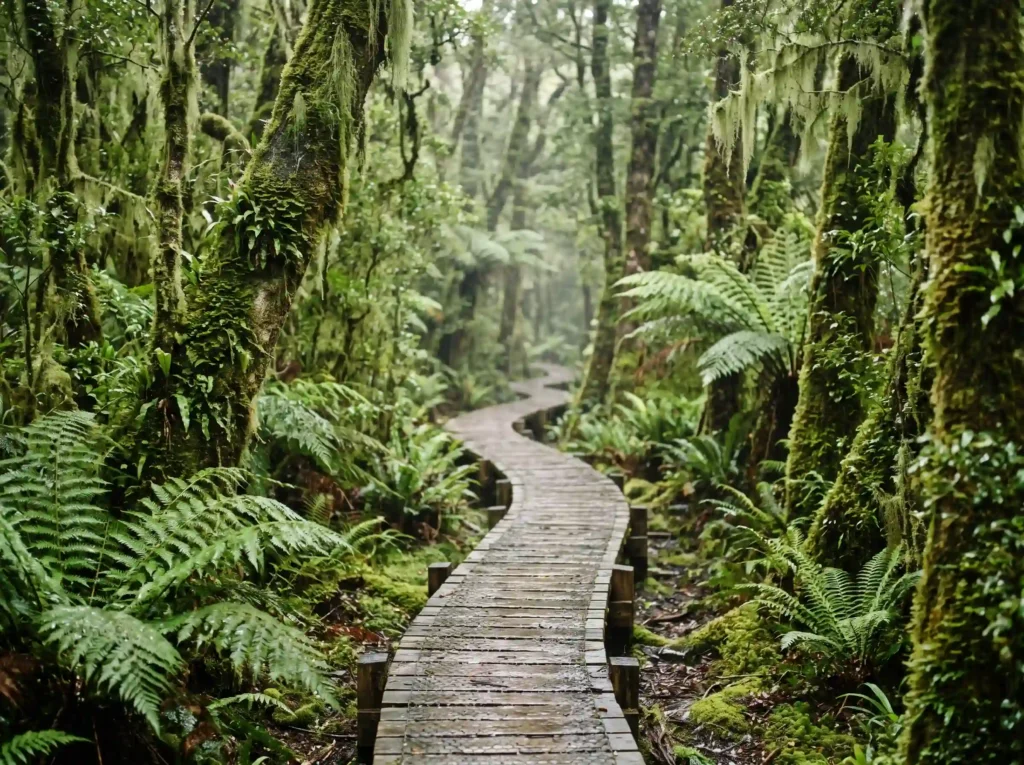
The New Zealand Department of Conservation strictly controls traffic. Only forty independent walkers can begin the track each day, walking exclusively in one direction over four days.
When the online booking portal opens each June, entire season allocations routinely vanish in under twenty minutes.
Key Preparation Rules for Long-Distance Treks
Securing your permits is only the first step. Preparing your body and equipment prevents trail injuries.
Train with a loaded backpack on steep terrain at least three months prior to departure. Simulating real trail weight builds necessary stabilizer muscle strength.
Break in your trekking footwear thoroughly. Never take brand-new boots on a multi-day backcountry trek.
Frequently Asked Questions
Why do long-distance trails enforce strict daily quotas?
Quotas prevent soil erosion, protect sensitive alpine vegetation, and prevent human waste from contaminating remote mountain watersheds.
Can I camp along the Milford Track if huts are fully booked?
No. Freedom camping and tent pitching along the Milford Track corridor are strictly prohibited. You must hold confirmed hut reservations to hike the route.
What happens if I miss the initial Inca Trail permit release?
If Inca Trail permits sell out, alternative routes like the Salkantay Trek or Lares Trek offer spectacular mountain scenery without restrictive permit caps.
How cold does it get at night along the Laugavegur Trail?
Even in midsummer, nighttime temperatures frequently drop near freezing, and gale-force rainstorms are common. A three-season sleeping bag is essential.