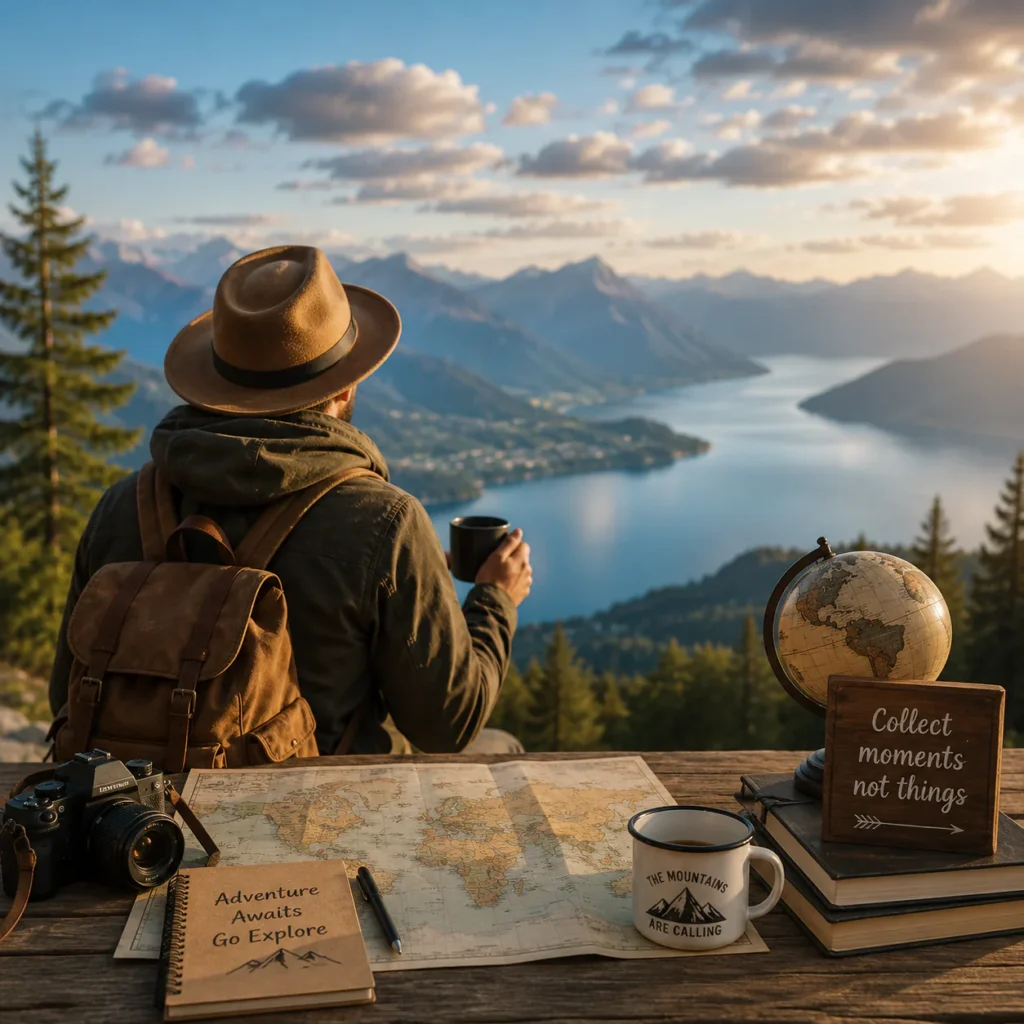


Planning an international journey from scratch feels intimidating at first. Yet stepping off a plane knowing every arrangement reflects your choices makes the effort rewarding.
Building your own schedule provides unmatched personal freedom. The secret lies in breaking travel logistics down into clear phases.
Why Independent Planning Outperforms Packaged Tours
Rigid group tours force travelers to wake at dawn and rush through packed itineraries. Designing your own route changes your entire holiday mindset.
Complete Schedule Flexibility
Digital itineraries let you adapt when opportunities emerge. If a coastal town captivates you, stay longer. If a museum disappoints, simply move on.
Direct Spending Control
Independent travelers allocate money toward experiences that matter to them. You can save on clean hostels, then treat yourself to exceptional regional dinners.
Real Confidence on the Road
Managing daily logistics builds self-reliance. Solving transit delays and language hurdles sharpens your problem-solving skills across unfamiliar terrain.
Defining Your Travel Style Before Booking
Before launching flight search engines, clarify what kind of break you actually need.
- Do you seek the pulse of dense metropolises or quiet natural landscapes?
- Are you planning mountain treks or leisurely afternoons by the ocean?
- Do you prefer packed sightseeing days or relaxed mornings without set schedules?

Food lovers might center their routes around regional markets in Tokyo or Bologna. Hikers will naturally prioritize alpine trails across Switzerland or Peru.
Filtering Online Information for Authentic Recommendations
Sorting through endless travel content requires discipline. Modern tools help you cut through promotional fluff.
- Independent travel writers and unedited video channels show realistic conditions on the ground.
- Community forums like r/travel supply candid advice on regional transit, local pricing, and safety precautions.
- Offline digital mapping apps replace bulky paper guidebooks and prevent mid-trip navigation panics.
Designing Itineraries That Leave Room to Breathe
A smart itinerary serves as a dependable guide, not a rigid business contract. Protect space for spontaneous discoveries.
- Select three priority highlights that inspired the journey and build around them.
- Map attractions by neighborhood on Google Maps to avoid zigzagging across busy cities.
- Leave free afternoons unbooked. Spontaneous cafe conversations often become your fondest vacation memories.
Smart Strategies for Flights and Lodging
Set price alerts on Google Flights and Skyscanner months in advance. Compare accommodations across Booking.com and local guesthouses for authentic neighborhood charm.
Family-run guesthouses offer warm hospitality and hyper-local tips while directing tourism money directly into neighborhood economies.
Sensible Daily Budgeting and Digital Security
Use budgeting apps like TravelSpend to track daily spending. When traveling in groups, split bills cleanly using Splitwise.
Install a reliable international eSIM before departure to avoid punishing mobile carrier roaming charges.
Frequently Asked Questions
Why is independent trip planning better than organized group tours?
Self-planned itineraries grant total freedom over your daily pace, reduce spending on unwanted activities, and create genuine local interactions.
How far ahead should travelers set airfare price alerts?
Monitoring airfare three to five months before departure helps catch seasonal seat sales and price drops.
What is the biggest mistake first-time trip planners make?
Over-scheduling every hour of the day causes physical exhaustion. Leaving unscheduled gaps allows for rest and unexpected adventures.