

Working from a seaside cafe in Portugal or a mountain cottage in Japan sounds idyllic. Making that lifestyle sustainable long-term requires disciplined preparation.
What separates thriving nomads from exhausted remote workers is operational infrastructure. You need reliable health insurance, verified WiFi, and compliant legal status.
Here are the tested tools, platforms, and legal pathways remote workers rely on every day across the globe.
International Health Insurance for Long-Term Nomads
Standard vacation travel insurance rarely covers remote workers. Most holiday policies cap stays at ninety days and exclude claims if you engage in work activities.
Nomad-specific health plans provide continuous monthly coverage that renews automatically as you move between countries.
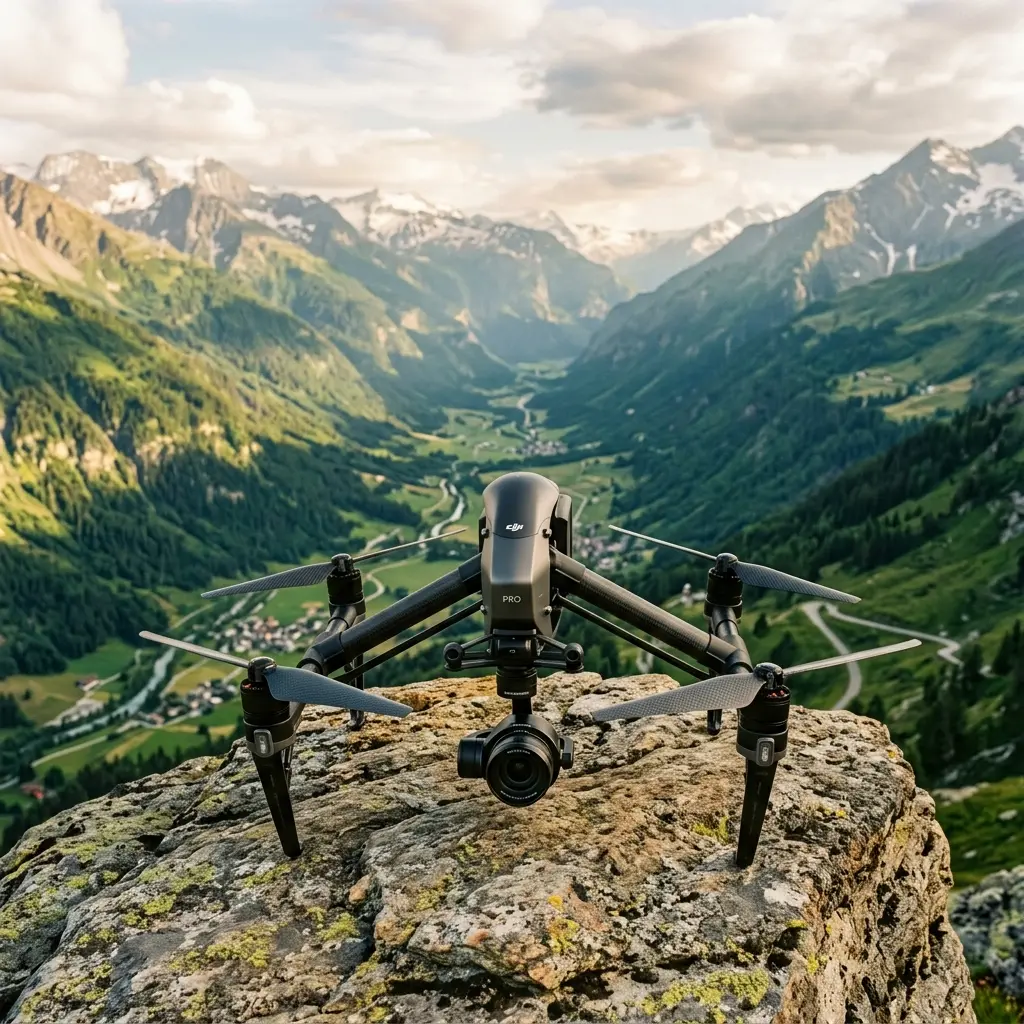
- SafetyWing: A budget-friendly subscription policy billed every four weeks. You can activate coverage after departing your home country.
- Genki: Deep medical protection with unlimited annual benefit caps. Excellent for remote workers with pre-existing conditions.
- World Nomads: Ideal for adventure creators who hike, scuba dive, and carry high-value camera gear.
Finding Productive Accommodation Built for Remote Work
Short-term holiday rentals look attractive in photos, but kitchen chairs and unstable residential WiFi destroy work productivity.
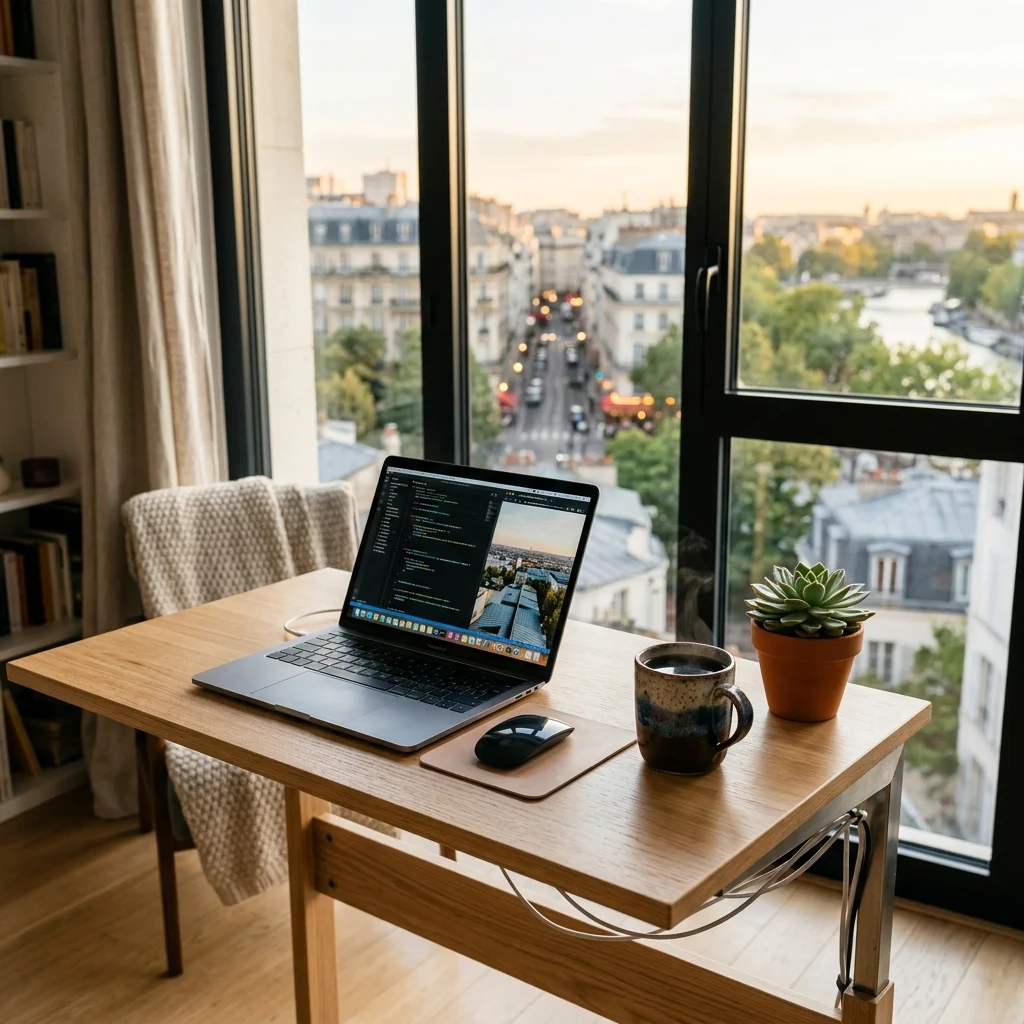
- Flatio: Provides fully furnished monthly apartments without massive deposit requirements. You receive a verified legal lease for visa paperwork.
- Coliving.com: Connects travelers to verified coliving spaces featuring quiet work pods, ergonomic seating, and communal dining rooms.
- Nomad List: Crowdsourced database providing median WiFi speeds, living expenses, safety ratings, and nomad community sizes worldwide.
Mobile Connectivity and Financial Banking Tools
Dropping offline during client meetings damages professional credibility. Always carry redundant data connections.
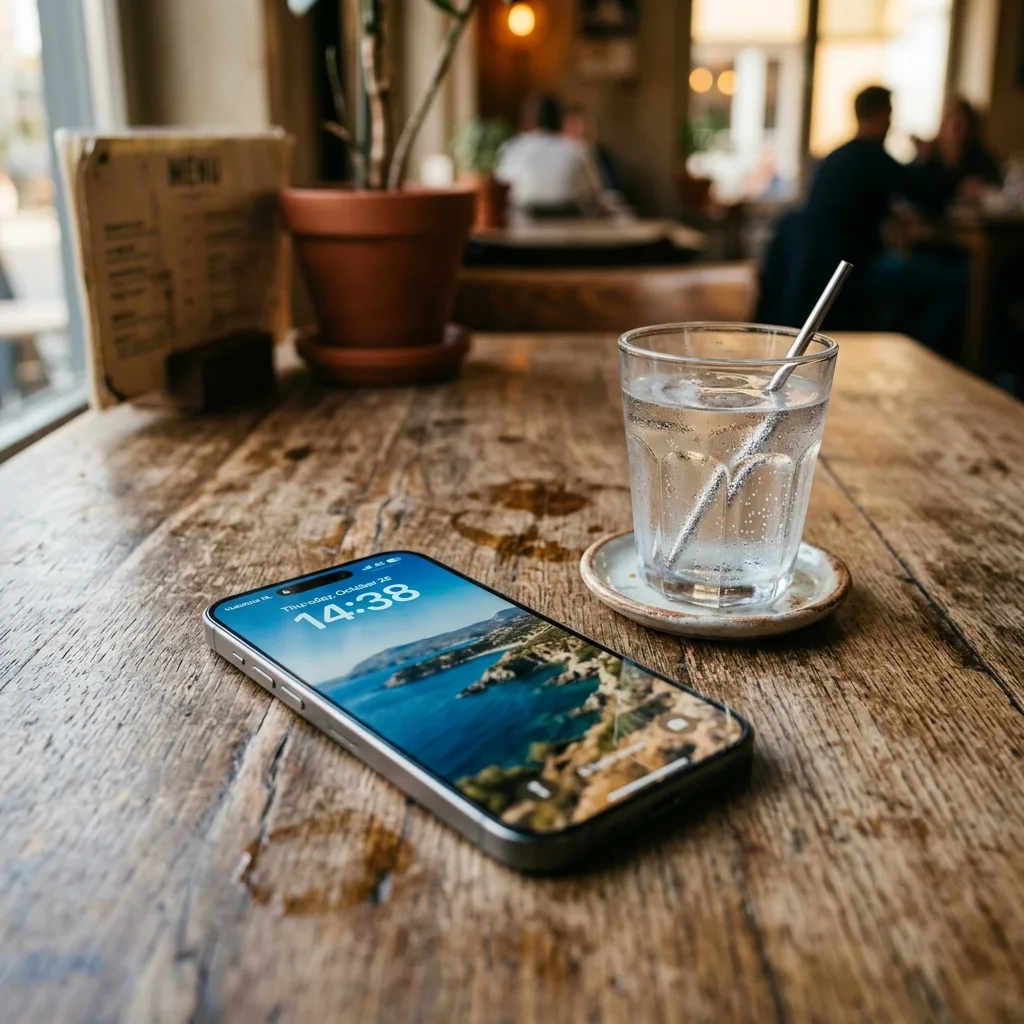
Install Airalo or Nomad eSIM profiles before boarding flights. Carry two separate data profiles on your device so you never get caught without internet.
Use multi-currency financial accounts like Wise or Revolut to avoid three-percent foreign exchange surcharges on daily spending.
Navigating Digital Nomad Visas and Tax Rules
Working on tourist visas places you in legal uncertainty. Over fifty nations now issue formal digital nomad residency permits.

Countries like Spain, Portugal, and Croatia require proof of steady remote income, clean background checks, and active health insurance.
Keep careful track of calendar days spent in each nation. Staying past 183 days often triggers domestic tax residency obligations.
Frequently Asked Questions
Can remote workers legally work on standard tourist visas?
Most countries forbid working on tourist visas. Enrolling in official digital nomad visa programs provides full legal security.
What is the minimum internet speed needed for digital nomads?
Aim for at least thirty megabits per second download and ten upload for lag-free video conferencing and screen sharing.
How do remote workers manage mental health while traveling solo?
Join organized coliving spaces, maintain regular exercise routines, and book therapy sessions through telehealth providers.
What happens if a digital nomad becomes tax resident abroad?
Staying over 183 days can make you liable for local income taxes. Consult an international expat accountant before planning long stays.