
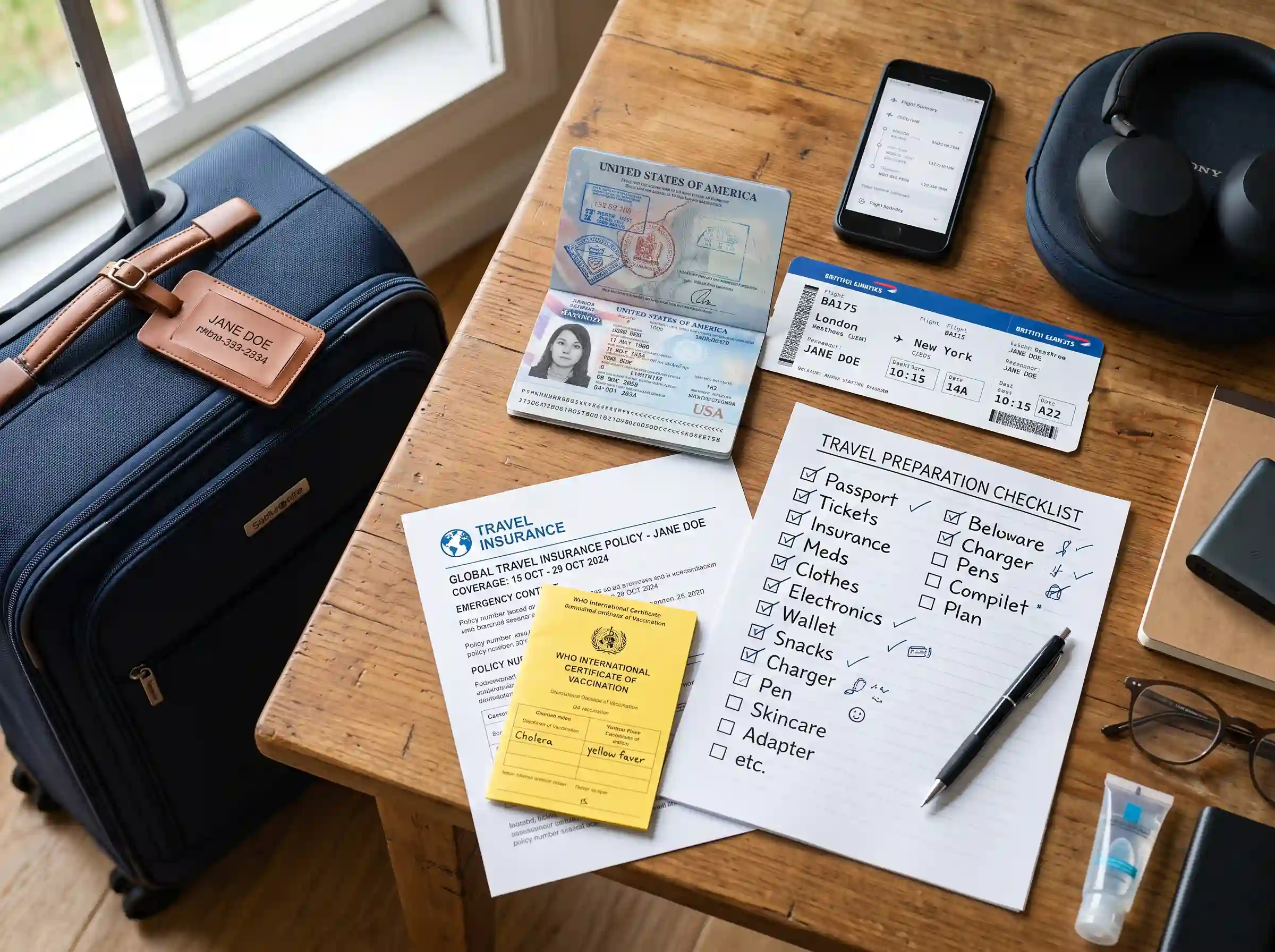

Few misfortunes spoil vacations faster than lost passports, stolen wallets, or sudden foodborne illnesses. Most travel emergencies stem from preventable oversights.
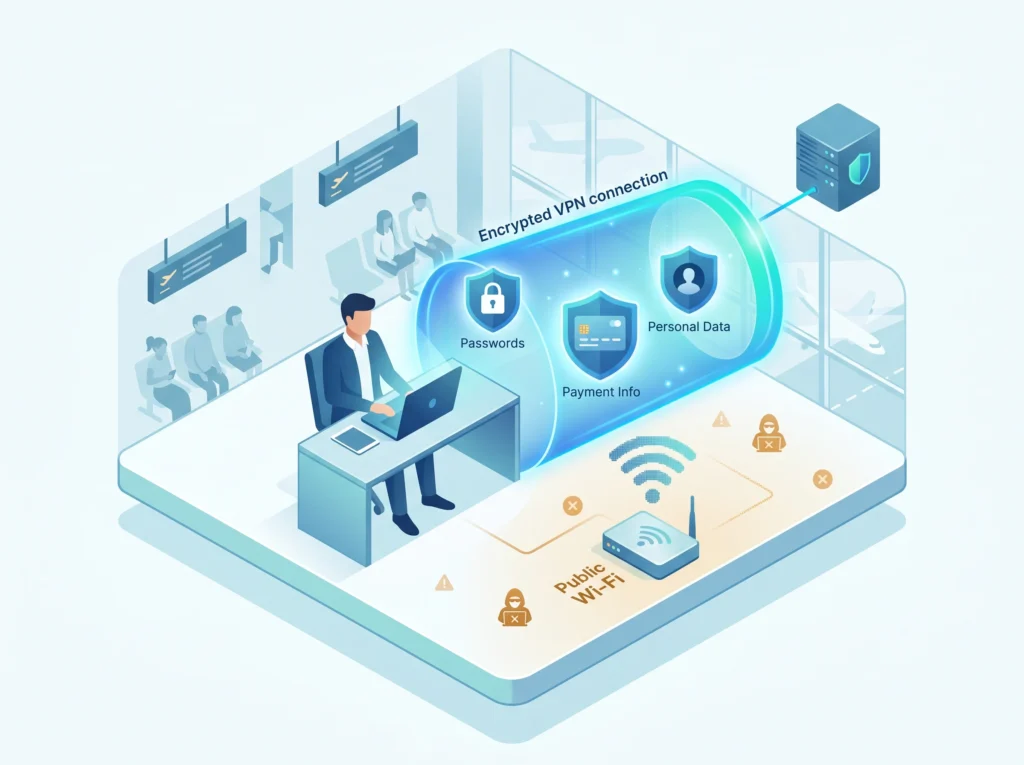
Basic protective habits keep your personal data, money, and health secure across international borders.
Document Preparation and Emergency Backups
Thorough preparation weeks before departure creates a dependable safety cushion.
Check Passport Validity Dates
Inspect your passport expiration date two months before departure. Numerous foreign destinations enforce a six-month passport validity requirement upon entry.
Create Cloud Backups
Store encrypted scans of passports, visas, and health insurance cards in cloud storage. If physical copies disappear, digital scans expedite embassy replacement procedures.
Register with Embassy Alert Services
Enroll in citizen crisis alert programs like ELEFAND or STEP before flying. Embassies utilize these lists to coordinate emergency assistance during natural disasters.

Secure Medical Travel Insurance
Standard domestic healthcare policies rarely cover overseas hospital stays or emergency medical flights. Invest in travel health coverage before boarding.
Protecting Valuables and Financial Cards
Tourists admiring historic architecture make tempting targets for opportunistic pickpockets. Smart financial habits minimize exposure.
- Divide payment methods across separate bags. Lock surplus cash and backup cards inside hotel room safes.
- Keep daily walking money in secure interior zippered pockets rather than open backpacks.
- Save emergency card cancellation contact numbers on your mobile device for immediate access.
- Store embassy contact details and emergency travel assistance numbers in your phone contacts.
Everyday Situational Awareness and Cyber Safety
Remaining observant helps travelers avoid street scams in crowded transit hubs.
- Wear backpacks on your chest inside crowded metro trains and busy tourist markets.
- Avoid connecting to open airport Wi-Fi networks without an encrypted VPN tool.
- Carry RFID-blocking card holders to shield contactless cards against digital skimming devices.
- Book authorized taxis through official dispatch counters rather than unmetered street cabs.
Health Precautions in Tropical Climates
Unfamiliar food seasonings and regional water supplies often trigger sudden digestive troubles.
Drink sealed bottled or filtered water in areas where tap sanitation remains uncertain. Avoid beverage ice cubes made from unfiltered municipal water.
Apply insect repellent containing DEET or Picaridin during evening hours. Sleep beneath intact mosquito nets in tropical zones to prevent mosquito-borne illnesses.
Frequently Asked Questions
How far ahead should travelers check passport expiration dates?
Check your passport at least eight weeks before departure. Many countries mandate six months of validity beyond your scheduled arrival date.
Why should travelers use a VPN on public hotel networks?
Unsecured public Wi-Fi networks allow malicious parties to intercept passwords. A VPN encrypts your traffic to safeguard login details.
What steps protect payment cards if theft occurs overseas?
Call your bank’s dedicated international cancellation line immediately or freeze cards through your mobile banking application.
How do travelers prevent foodborne stomach illness abroad?
Stick to cooked piping-hot foods, peel fruits yourself, drink sealed bottled water, and avoid drinks cooled with unpurified ice.