

Taking an extraordinary vacation does not require burning through your life savings. Most travelers overpay simply because they follow standard tourist booking habits.
They buy flights during peak weekend rushes, book hotels right in tourist center squares, and eat at restaurants with laminated multilingual picture menus.
By shifting how you book flights, choose lodging, and dine locally, you can cut total vacation spending in half. Here are practical strategies that stretch your travel funds.
Smart Flight Booking Tactics That Lower Airfare
Airlines use dynamic pricing to maximize revenue on predictable tourist schedules. Breaking away from typical travel dates produces immediate savings.
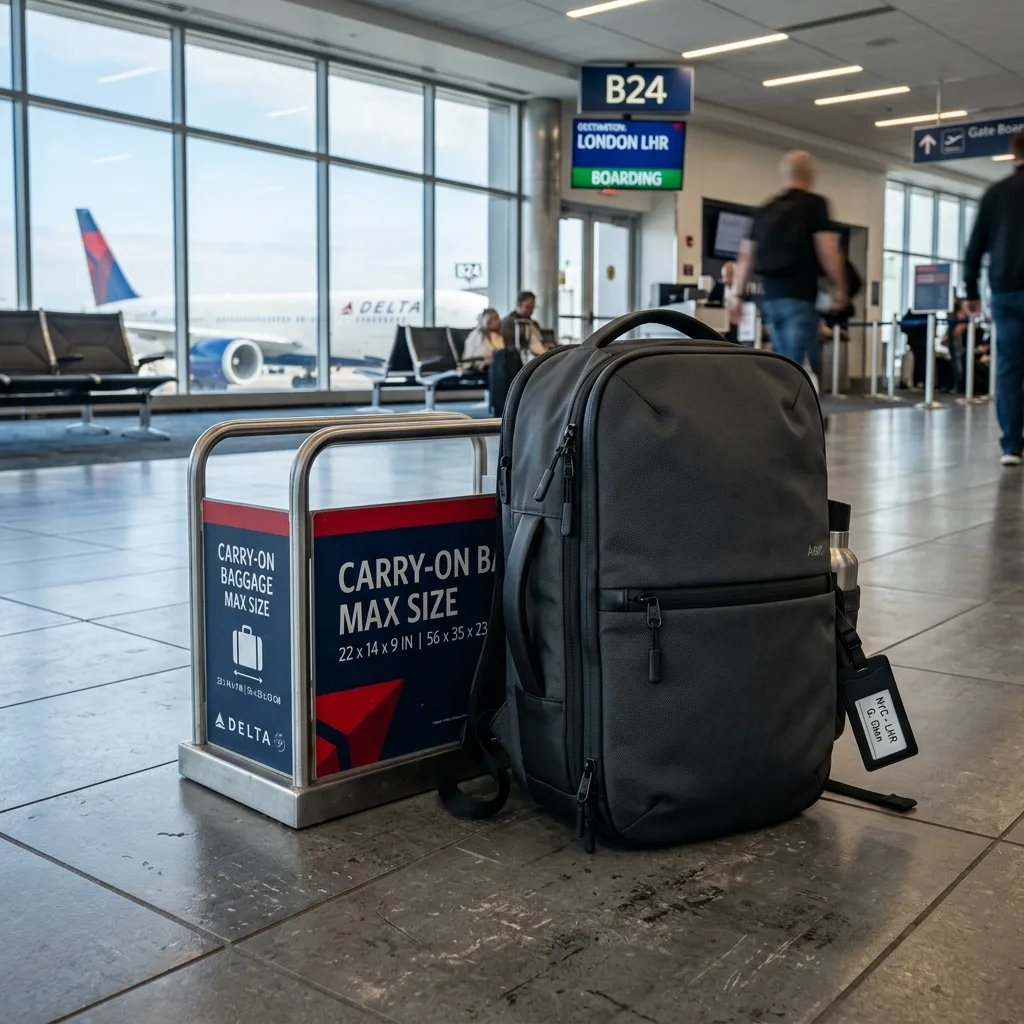
Survey entire month grids on flight search engines before locking in vacation days. Flying on Tuesdays or Wednesdays rather than Friday evenings routinely saves twenty to thirty percent.
Set automated fare alerts two to three months before domestic trips and four months before long-haul flights. This helps you catch temporary airline fare drops.
Comfortable Lodging on a Grounded Budget
Accommodation represents the largest fixed cost once you land. Fortunately, hospitality models have transformed rapidly over recent years.

Modern boutique hostels feature private capsule pods with blackout curtains, reading lamps, and lockable storage. They offer the quiet comfort of private rooms for the price of a dorm.
When booking apartments, look two or three subway stops outside central downtown. Neighborhoods inhabited by local residents offer larger living spaces, quiet evenings, and substantially lower nightly rates.
Dining Well on Fresh Regional Food
Food expenses mount quickly when eating three restaurant meals every day. Yet sampling authentic culinary culture is usually cheapest off the main avenues.
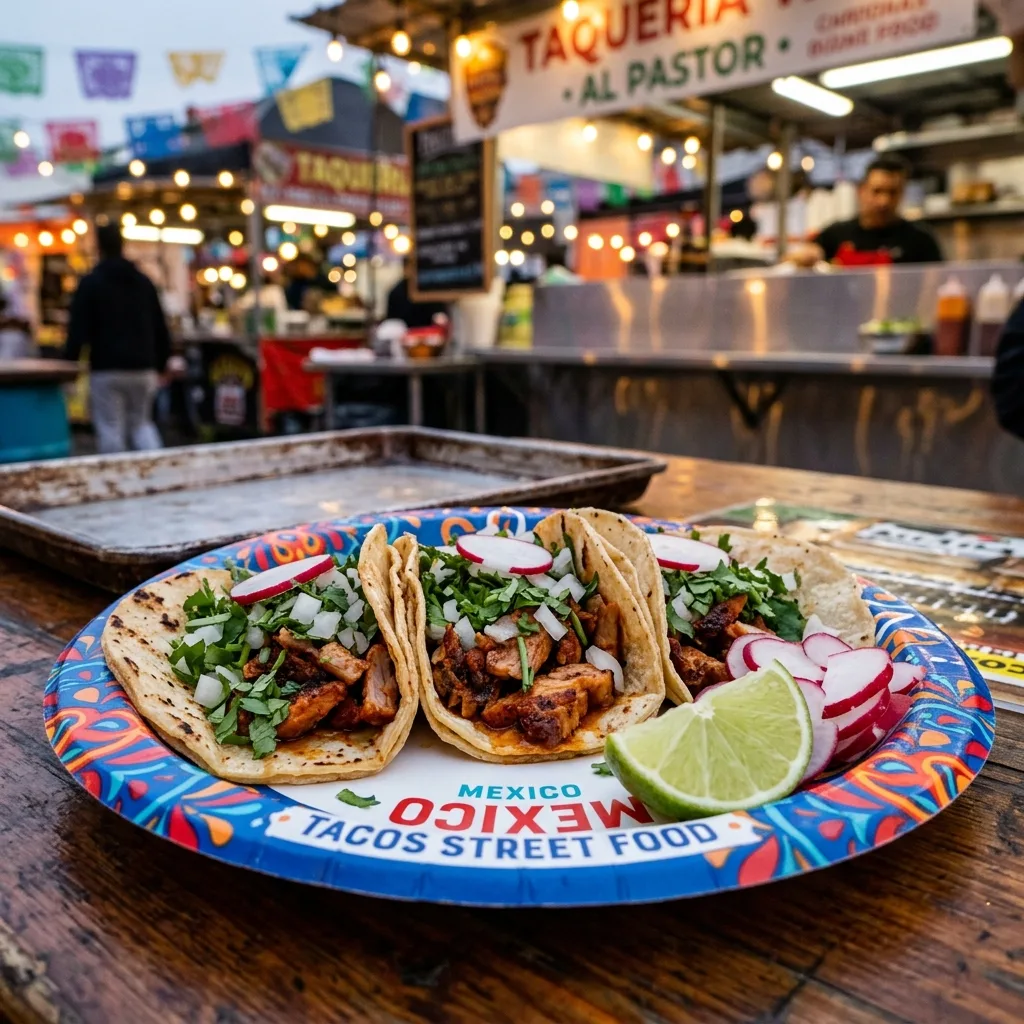
Walk three blocks away from prominent historic monuments before looking for a table. Look for bustling eateries filled with local office workers and families.
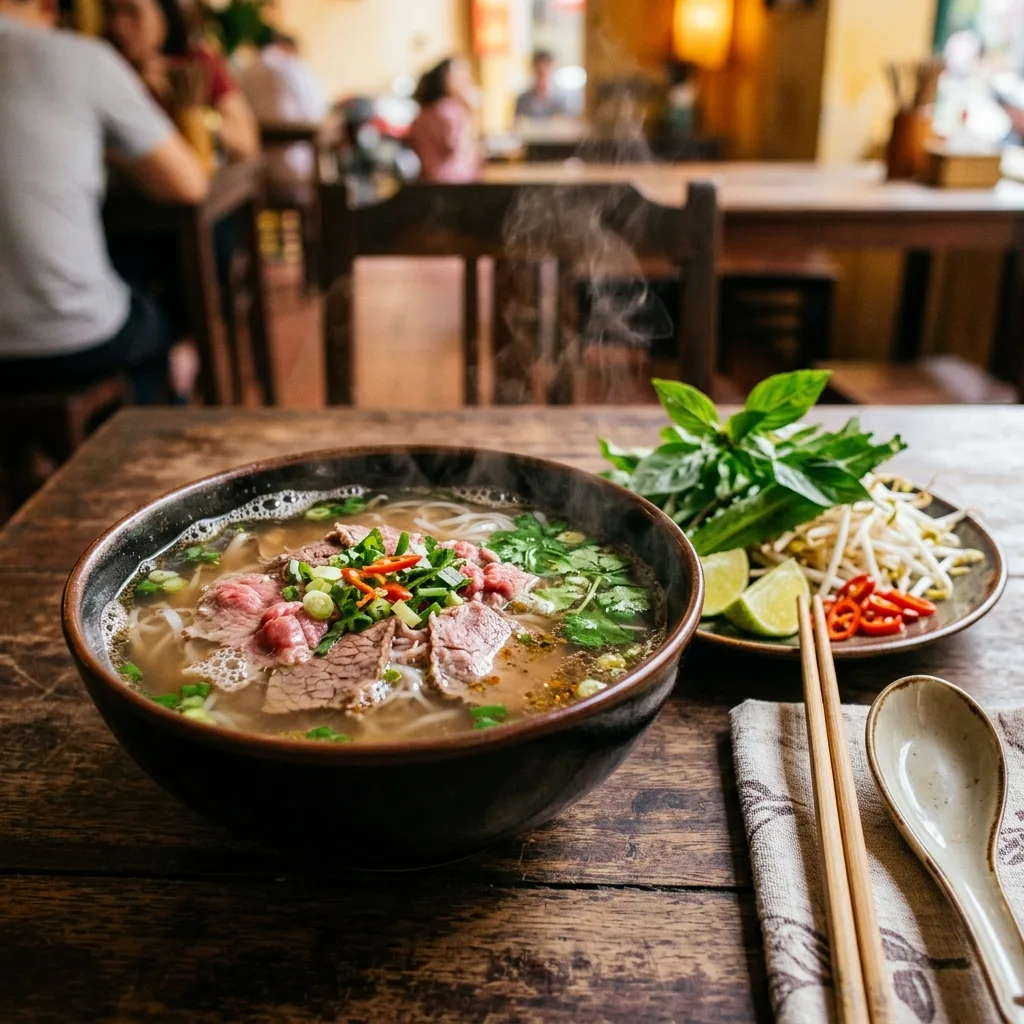
Visit municipal food markets for lunch. Indoor food halls across Europe, Asia, and Latin America sell freshly prepared regional dishes for a fraction of sit-down restaurant prices.
Ground Transportation and Route Efficiency
Getting around foreign cities does not require expensive private transfers or flagged street cabs.

Take overnight sleeper trains for long regional crossings. Booking a couchette bed saves the cost of a hotel night while transporting you across hundreds of miles.

Use public subway lines, regional commuter buses, or city bike shares. Downloading local transit apps lets you purchase multi-day transit passes with unlimited rides.
Financial Traps and Daily Money Management
Small daily expenses add up invisibly throughout an extended holiday.
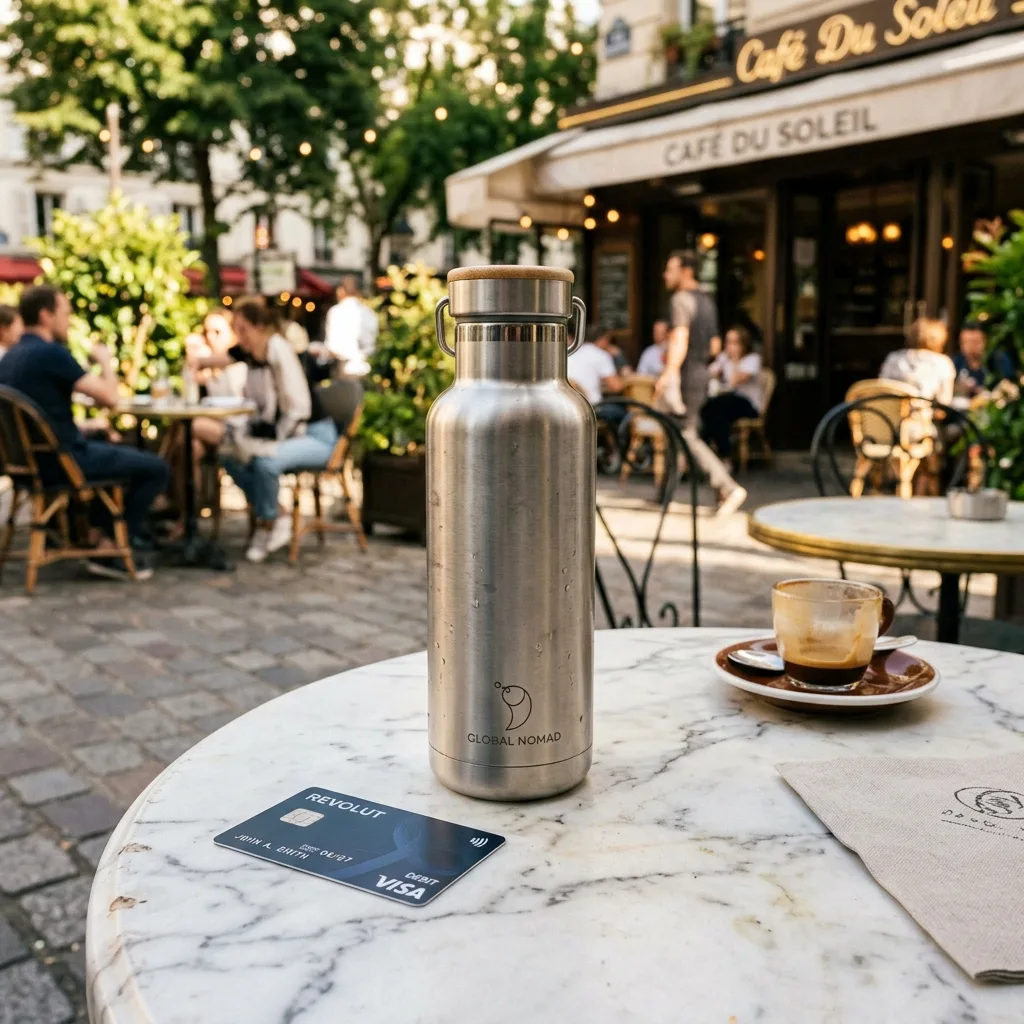
Bring a reusable filtered water bottle. In countries with safe tap water, buying plastic bottles three times a day wastes hundreds of dollars over a month.
Always decline ATM currency conversion prompts. Let your home bank handle foreign exchange to avoid hefty automatic markups.

Focus your days around self-guided walking tours, public botanical gardens, and outdoor vistas. The most memorable experiences rarely carry admission fees.
Frequently Asked Questions
What is the easiest way to cut food costs without cooking every meal?
Make lunch your primary sit-down meal. Many restaurants worldwide offer fixed-price midday lunch specials for half the price of identical evening dinner menus.
How can I avoid hidden bank and card fees overseas?
Use a debit card with zero foreign transaction fees, withdraw larger cash amounts less frequently, and always choose the local currency at checkout terminals.
Are overnight sleeper trains comfortable enough for a good rest?
Yes. Modern couchette compartments provide clean linens, privacy curtains, and reading lights, making overnight rail trips both restful and economical.
Is it cheaper to book activities online or in person?
For major museums and high-demand sights, book online in advance to skip lines. For day tours, boat rentals, and local guides, booking in person allows polite price negotiation.