

Traveling well does not require an endless bank account. Most high vacation expenses trace back to simple habits: you choose peak flight dates, book central hotel rooms, and eat near crowded tourist squares. Changing just three of these choices cuts overall trip expenses by 30 to 50 percent. That figure reflects real spending adjustments, not rough estimates.
Data from the UN World Tourism Organization (UNWTO) shows international border crossings reached record peaks in 2026. Higher traveler numbers create steeper demand for popular rooms. Yet this surge also sparks better budget booking tools and flexible travel networks. Controlling your trip total comes down to calendar flexibility, transit awareness, and sidestepping tourist pricing traps.
Booking Flights Without Paying Tourist Markups
Airfare represents the single largest upfront expense for most vacations. It also provides the fastest opportunity to pocket several hundred dollars in immediate savings.
Scan Full-Month Fare Calendars Before Picking Travel Dates
Fixed calendar dates remain the quickest route to expensive flight bookings. Instead, open Google Flights or Skyscanner and toggle the flexible calendar view. Scanning an entire month instantly surfaces departures running 20 to 40 percent below standard weekend rates. Locking in vacation days before checking price patterns is where most people make a costly mistake.
Depart on Tuesdays and Wednesdays for Lower Base Fares
Midweek departures consistently beat weekend schedules on price. Tuesday and Wednesday seats average 20 to 30 percent less than departures on Fridays or Sundays. Shifting your departure by two days regularly trims $50 or more from each individual ticket. During summer peaks, that price gap widens even further.
Lock in Tickets During the Optimal Purchase Window
Timing your booking matters far more than checking fares at 2 a.m. For long-haul international flights, the prime booking period sits between 8 and 12 weeks before departure. Purchasing earlier rarely yields better discounts, while waiting longer almost always drives prices upward. Domestic routes favor a tighter window of 4 to 8 weeks. Forecasting tools from Hopper and Kayak track historical price curves to tell you whether to buy or wait.
Track Route Price Drops With Automated Notifications
Checking ticket prices every morning wastes time and invites emotional bookings. Set route alerts on Google Flights, Skyscanner, or Hopper instead. These tools send immediate phone alerts whenever an airline drops rates. In practice, alerts capture short flash sales and temporary airline glitch fares that disappear within hours.
Fly Budget Carriers Without Incurring Surprise Fees
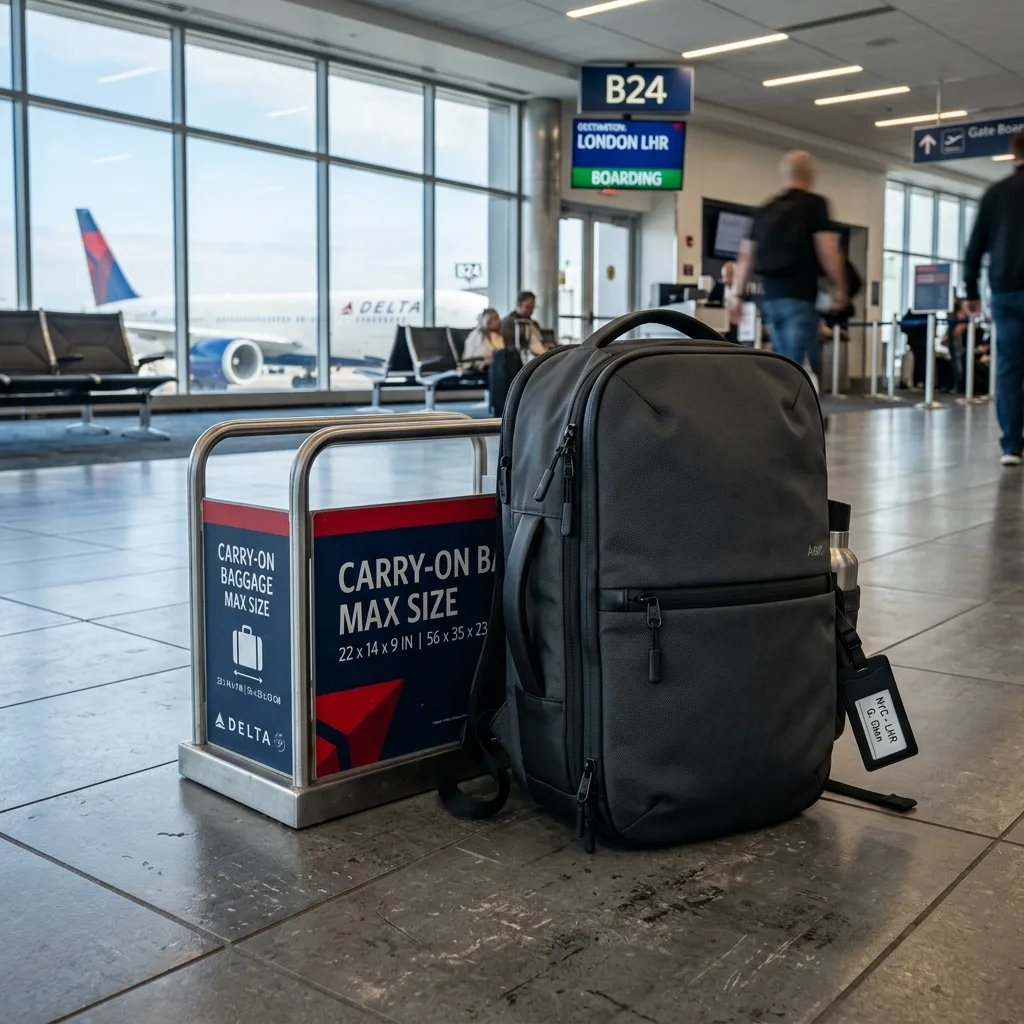
Discount carriers like Ryanair, EasyJet, and AirAsia offer surprisingly cheap base fares. However, add-on costs stack up rapidly. Seat selection, boarding passes, and checked luggage can easily exceed the original ticket price. One thing most people overlook is how strictly gate agents check bag dimensions. The solution is simple: travel carry-on only and measure your bag before leaving home. That single habit prevents sudden gate penalty fees ranging from $30 to $120 per flight segment.
Securing Comfortable Lodging on a Tight Nightly Budget
Accommodation forms the second largest spending block on any itinerary. Yet the gap between affordable rooms and stylish comfort has closed completely. Several budget options now offer superior community vibes compared to bland hotel chains.
Choose Boutique Pod Hostels With Private Rooms and Free Kitchens
Hostels have transformed over the last decade. Hospitality groups like Generator, Selina, and Mad Monkey provide private rooms, coworking desks, and rooftop cafes alongside clean dorms. A shared pod bed costs $10 to $35 per night, saving $50 to $100 against standard hotel rates. Look for locations featuring guest kitchens and complimentary morning breakfast. Those two amenities alone slash daily dining expenses.

Trigger Built-In Weekly and Monthly Airbnb Discounts
Extended apartment rentals often hide substantial savings. Many Airbnb hosts program automatic discounts: 10 to 20 percent for weekly stays, and 30 to 50 percent for monthly bookings. Here is what catches people off guard: booking 14 days sometimes rings up cheaper than 12 days once host discounts apply. Always test longer duration dates before locking in a reservation.
Exchange Pet Sitting and Home Swaps for Free Stays
Eliminating lodging expenses completely is entirely possible through house-sitting. Networks like TrustedHousesitters connect travelers with homeowners seeking pet care during holidays. For an annual membership fee around $140, members unlock free stays across global capitals like London, Paris, and Lisbon. Platforms like HomeExchange operate on mutual home swaps that drive nightly costs to zero. Both methods require early coordination, but the savings remain unmatched.
Pick Residential Neighborhoods Along Direct Transit Lines
Downtown hotels charge steep location premiums. Renting an apartment 20 minutes outside the city center drops room prices by 40 to 60 percent. In major European and Asian cities, urban rail systems run frequently, safely, and affordably. Unlimited transit passes rarely cost more than $5 to $10 per day. What usually happens is tourists pay top dollar for central rooms, then spend their days exploring outer arts districts anyway.
Dining Well in New Cities Without Inflated Restaurant Bills
Restaurant tabs quickly wreck a daily budget. Ordering two full sit-down meals in tourist districts easily tops $80 to $100 every single day. Adjusting where and when you eat cuts food spending in half without sacrificing culinary quality.
Spot Authentic Neighborhood Eateries Off the Main Plazas
Walking two or three blocks off the central plaza cuts meal prices by 40 to 60 percent. Watch out for multi-language laminated signs and aggressive sidewalk hosts. Those markers signal frozen food and inflated tourist tariffs. The most delicious local dishes hide in side alleys where workers crowd the counters.
Take Advantage of Midday Fixed-Price Lunch Menus
Switching your main meal to midday creates massive savings. Spain features the classic Menú del Día, France serves prix fixe lunches, and venues globally offer midday specials. These multi-course meals cost $10 to $20, whereas evening dining at the same tables runs $40 to $60. Eat hearty lunches, then grab light evening bites.
Sample Fresh Produce and Local Food Stalls for Low Prices
Street vendors often serve the freshest meals in town. A bowl of Pad Thai in Bangkok costs $2 to $3. Tacos in Mexico City cost roughly $1 each. A warm Currywurst in Berlin costs around $4. Neighborhood markets offer fresh bread, cheese, and ripe fruit at local grocery rates. A common misconception assumes street food causes sickness. In reality, high-turnover street carts cook ingredients fresh before your eyes, while empty tourist bistros hold pre-cooked ingredients for hours.

Prep Your Own Morning Groceries to Protect Daily Cash
Hotel breakfasts are notorious rip-offs. A buffet of stale pastries and diluted juice often adds $15 to $25 to your bill. Instead, visit a neighborhood market for yogurt, fresh fruit, and bakery rolls for under $5. Preparing breakfast in a hostel kitchen or vacation rental saves $10 to $25 per day. Over a two-week trip, that keeps $140 to $350 in your pocket.
Ground Transit Without Expensive Taxi Fares
Private car rides and unplanned taxi trips drain cash quickly. Nearly every global destination provides cheaper, faster ground transit alternatives.
Purchase Rechargeable Metro Transit Passes on Arrival
Subways and urban buses beat street traffic while saving money. Relying on public transit saves $15 to $40 daily compared to app-based ride services. The trick most travelers miss is buying a reloadable smart card right at the arrival terminal. Card holders pay discounted per-ride fares without waiting in line for individual paper tickets.
Combine Transit and Sleep With Overnight Trains and Buses
Night travel combines transportation and lodging into a single ticket price. Sleeper trains and overnight buses across Europe, Southeast Asia, and South America save $30 to $90 per leg in hotel bills. Bring a contoured eye mask, comfortable neck pillow, and earplugs. In practice, you rest well and step off into a new destination ready for the day.

Rent City Bikeshare Bicycles to Tour Neighborhoods Freely
Walking and cycling remain the most intimate ways to experience a city. You notice side streets, local bakeries, and street art hidden from underground subway tunnels. Cities like Amsterdam, Copenhagen, and Barcelona maintain automated bike-share hubs starting between $2 and $5 per day. Exploring on foot costs nothing while connecting you directly to local street life.
Target Shoulder Seasons to Cut Accommodation and Ticket Prices
Travel dates dictate prices just as much as flight destinations. Airlines and hotels deploy dynamic revenue algorithms that swing prices by 40 to 300 percent between seasons.
- Off-peak season: Delivers the deepest discounts and empty sights. You trade perfect sunny weather or shorter attraction operating hours for major savings.
- Shoulder season: The sweet spot for independent travelers. You get reliable weather, reasonable lodging rates, and thin crowds. Think Europe in October or Mexico in September.
- School holidays and festive windows: Christmas, Easter, and August bring maximum pricing. Shifting departures two weeks outside these windows saves hundreds instantly.
High-Value Travel Destinations Offering Strong Purchasing Power
Picking countries with low domestic living costs stretches your holiday savings dramatically without compromising comfort.
Explore Southeast Asian Routes for Low Nightly Expenses
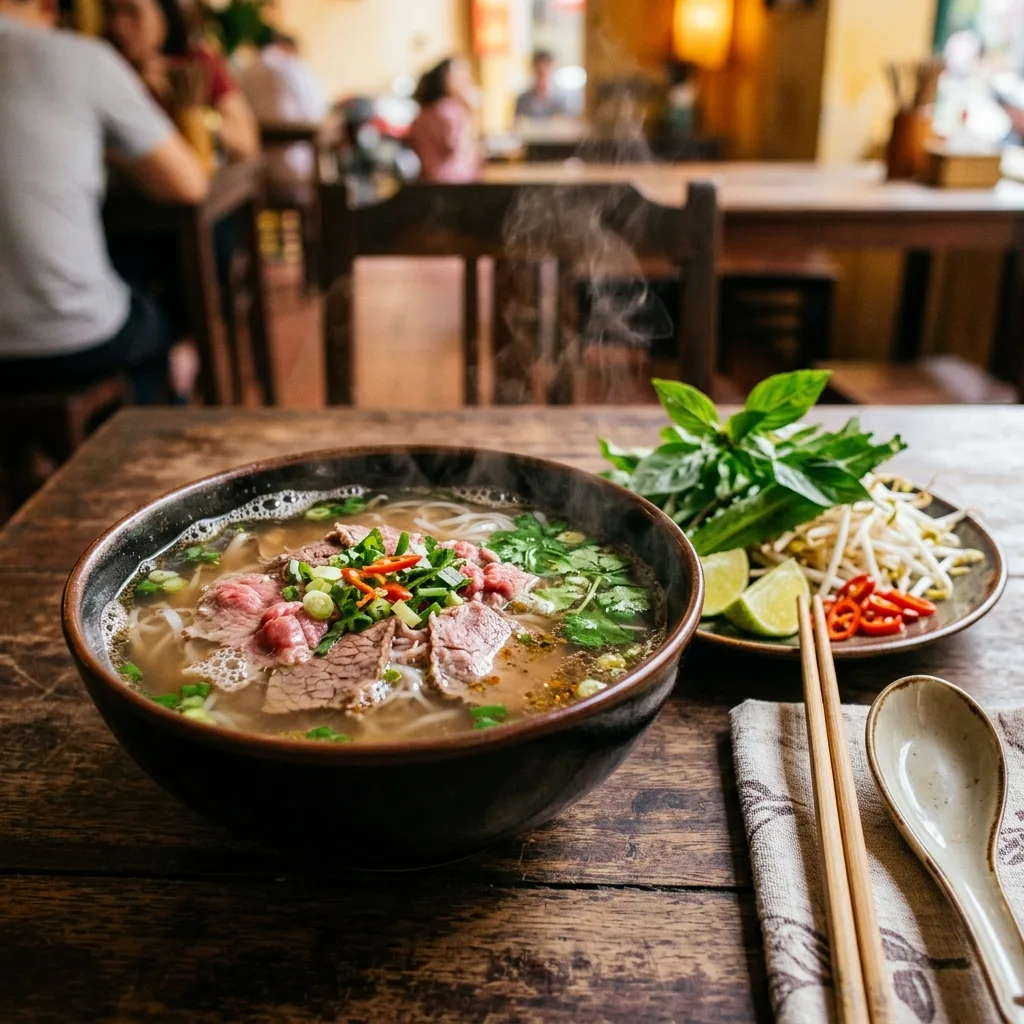
Vietnam offers exceptional value for budget adventurers. Clean guesthouses run $8 to $12 per night, authentic pho bowls cost $1.50, and regional buses cost under $15. Cambodia, Thailand, and Indonesia deliver similar affordability. The real advantage across Southeast Asia is the sheer density of cheap transportation, food stalls, and private rooms.
Visit Balkan and Eastern European Capitals for Scenic Value
Albania, North Macedonia, Bulgaria, and Romania offer European charm at half the price of Western capitals. Georgia has emerged as a premier budget hotspot, featuring dramatic Caucasus peaks, historic wine culture, and rock-bottom living costs. Fewer tourist buses mean lower prices and warmer local hospitality.
Tour Latin American Cities With Cheap Transit and Great Dining
Mexico City pairs world-class culture with cheap public transit and celebrated street food. Peru and Bolivia offer incredible Andean experiences on tight budgets, with cheap fixed-price lunches and reliable long-distance coaches. Budget infrastructure across South America has improved significantly, making overland travel straightforward and comfortable.
Track Favorable Foreign Exchange Rates Before Picking Destinations
A fallen local currency magnifies your home currency purchasing power. Destinations like Turkey, Egypt, and Argentina offer luxury dining and boutique hotels at budget prices for international visitors. Currency values fluctuate annually. Always review currency exchange trends before finalizing international tickets.
Stop Sneaky Banking and Roaming Fees Before Departure
Unchecked bank conversion charges and roaming fees quietly bleed travel budgets. Plugging these leaks keeps hard-earned cash where it belongs.
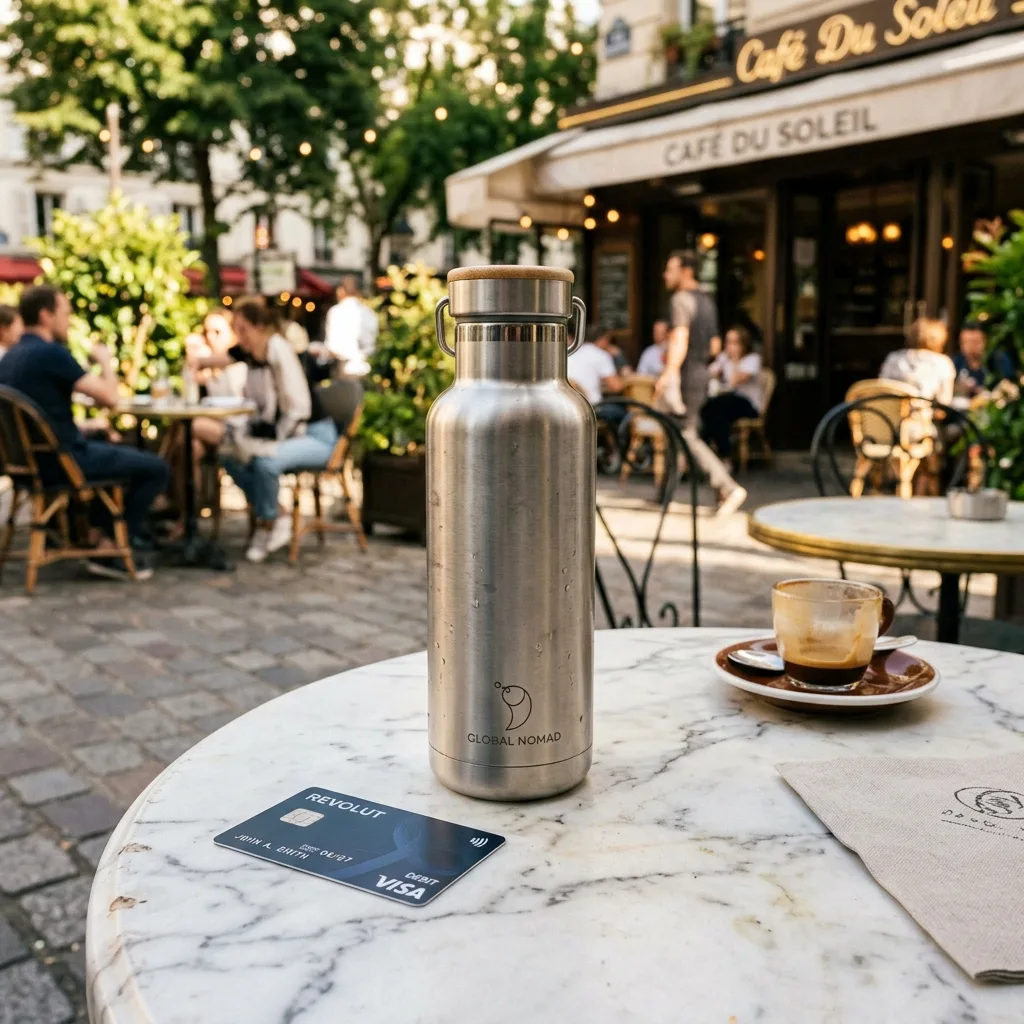
- Use cards without foreign transaction fees: Financial tools like Wise, Revolut, or the Charles Schwab debit card eliminate the standard 1.5 to 3 percent bank charge on foreign transactions.
- Skip airport currency exchange counters: Airport exchange kiosks take massive spreads. Withdraw local cash directly from official bank ATMs in the arrival hall instead.
- Install digital eSIM profiles: Providers like Airalo and Holafly deliver mobile data packages for $5 to $15, bypassing steep carrier roaming rates.
- Pack a reusable filtered water bottle: Bottled water adds up to $10 daily. Refillable bottles like LifeStraw Go access clean drinking water for free everywhere.
Find No-Cost Cultural Attractions and Public Parks
Memorable travel moments often cost nothing. A limited budget pushes you toward authentic neighborhood exploration rather than commercial tourist traps.
- Join tip-supported walking tours: Local guides lead walking routes through historic quarters in almost every major city. You get rich historical background for just the price of a cash tip.
- Target free museum admission days: London keeps national treasures like the British Museum free daily. Paris galleries open free on first Sundays, while Mexico City hosts dozens of free municipal exhibits.
- Explore nature and coastal trails: City parks, public beaches, and mountain hikes charge no admission fees. Natural landscapes frequently end up being the highlight of any trip.
- Evaluate multi-attraction city passes: Passes like the Paris Pass or New York CityPASS save 20 to 40 percent if you visit multiple ticketed sites. Calculate your real itinerary before buying.

Costly Spending Traps That Catch Unprepared Travelers
Avoiding common spending traps protects your savings from day one.
- Traveling without a daily spending cap: Unmonitored incidental spending breaks vacation budgets. Calculate your trip total, add a 20 percent buffer, and track daily spending on a phone app.
- Carrying excess luggage: Budget airlines charge up to $120 for checked bags. Packing light allows you to ride public trains rather than hailing expensive airport taxis.
- Buying meals near tourist landmarks: Cafes right beside famous monuments markup prices heavily. Walk three blocks in any direction to find superior food at fair local prices.
- Ignoring dynamic booking algorithms: Reservation platforms adjust ticket prices based on tracking cookies. Clear your browser cache and browse in incognito mode to avoid price manipulation.
- Skipping basic travel medical insurance: Basic policies cost $2 to $5 daily. Going without insurance risks catastrophic medical bills that wipe out years of savings.
Reduce City Hopping to Eliminate Constant Relocation Costs
The most effective budgeting strategy is simply staying put longer. Moving to a new city every two days imposes an invisible relocation tax. You pay recurring train tickets, station taxis, luggage storage fees, and arrival-day dining markups.
Staying in one base unlocks weekly accommodation discounts. It gives you time to find local markets and cook affordable meals. Experienced remote travelers often live comfortably abroad on $1,000 to $1,500 per month by simply slowing down. You experience places more deeply while keeping transit expenses near zero.
Essential Booking Apps and Comparison Tools for Daily Savings
- Google Flights: Explore map tools and date grids uncover low-cost destinations across flexible timelines.
- Skyscanner: Compares airline tickets, hotel rooms, and car hire rates across global providers.
- Hopper: Predicts future airfare trends with color-coded booking calendars to optimize purchase timing.
- Hostelworld: Filters budget dorms and private rooms by kitchen access and free breakfast amenities.
- Wise: Delivers true mid-market exchange rates and eliminates international card processing markups.
- Airalo: Instant local eSIM data activations that prevent unexpected mobile roaming charges abroad.
- Rome2rio: Maps out multi-modal transit connections between destinations with clear pricing and booking options.
Building Sustainable Travel Habits That Fund Future Trips
Budget travel never requires depriving yourself of memorable experiences. It simply means eliminating unnecessary markups so your funds last longer. Every dollar saved on hotel booking fees or tourist menus buys another day exploring the world.
Start by adopting three or four core habits on your upcoming journey. The savings compound immediately, turning dream itineraries into affordable realities.
Industry References and Travel Research Sources
- Reisetipps Magazin – Budget-Reisen: Komplett-Guide 2026
- TravelValueFinder – How to Travel Cheap: 25 Tips to Cut Your Travel Budget in Half
- PackZup – 30 Budget Travel Tips: How to Cut Costs 50%
- NerdWallet – 12 Easy Money Saving Travel Tips
- Going.com – 75 Smart Ways to Save on Every Part of Your Trip
- Smavel – 33 Spartipps zum Reisen
- ÖAMTC – Die besten Tipps für billige Strandziele
- Lonely Planet – 10 Affordable Destinations for Budget-Friendly Travel
- Topologica – Reisebudget-Rechner 2025: Echte Kosten in 50 Ländern
- NomadStory – Was kostet eine Weltreise?
Key Accommodation Types and Realistic Spending Ranges
- Hostels: Cost ranges between $10 and $35 nightly. Delivers private pods, shared kitchens, and free breakfast amenities. Featured chains include Generator, Selina, and Mad Monkey.
- Airbnb Rentals: Delivers 10 to 50 percent discounts on weekly and monthly reservations. Best suited for longer stays and home cooking.
- House-Sitting and Home Swaps: Drops nightly lodging expenses to zero after membership fees. Unlocks extended stays via TrustedHousesitters and HomeExchange.
- Suburban Neighborhoods: Saves 40 to 60 percent compared to downtown hotels. Delivers quiet surroundings with fast transit connections.
Frequently Asked Questions About Budget Travel
When should travelers book international flights for optimal savings?
The ideal window for long-haul international flights is 8 to 12 weeks before departure. Booking earlier yields few extra discounts, while booking later triggers steep price hikes.
How can travelers reduce lodging expenses without sacrificing comfort?
Stay in boutique hostels with private pods, apply Airbnb weekly discounts, or exchange pet care on TrustedHousesitters. Choosing apartments 20 minutes along suburban transit lines cuts accommodation rates by half.
How do weekly and monthly Airbnb discounts work?
Hosts offer automatic discounts between 10 and 50 percent for stays lasting seven days or longer. Booking 14 days often costs less than 12 days because weekly discounts activate.
What common budget mistakes cost vacationers the most money?
Common errors include traveling without daily budgets, overpacking baggage, dining right beside major monuments, and traveling without basic insurance.
How does slow travel decrease overall trip expenses?
Remaining in one location eliminates frequent train and taxi fees. It also unlocks weekly apartment discounts and allows you to prepare groceries at local prices.
Which debit and credit cards avoid foreign exchange fees?
Cards from Wise, Revolut, and Charles Schwab waive the standard 1.5 to 3 percent foreign transaction fee.